Assistive listening devices (ALDs)
What are assistive listening devices?
Assistive listening devices (ALDs) are tools designed to make sounds clearer and easier to understand for people who struggle to hear, especially in challenging environments like classrooms, theaters, or noisy places. They don’t replace hearing aids but work alongside them—or independently—to reduce background noise, improve speech clarity, and bring sound directly to the listener. Their goal is simple: to help people follow conversations, enjoy media, and stay connected in everyday situations.
Assistive listening devices vs hearing aids
Assistive listening devices (ALDs) and hearing aids both help people hear better, but they work in different ways and serve different needs. Hearing aids are worn all day to amplify a wide range of sounds for everyday listening, while ALDs are situational tools designed to improve hearing in specific environments—like watching TV, attending a lecture, or talking in noisy places. ALDs can boost speech clarity, reduce background noise, and send sound directly to the listener, often enhancing how hearing aids perform. In short, hearing aids are general hearing solutions, while ALDs act as targeted support when extra help is needed.
How do assisted listening devices work?
Assistive listening device systems work by capturing sound from a source—like a microphone, TV, or speaker—and delivering it to the listener with greater clarity and less background noise. Instead of amplifying everything around you, these systems transmit a clean, focused signal using technologies such as Bluetooth, FM, infrared, or induction loops. By sending sound directly to the user or to their hearing aids, assistive listening device systems make speech easier to understand and improve listening comfort in noisy or echo-prone environments.
Types of assistive listening devices
Personal amplifiers
Personal amplifiers are small, portable devices that boost nearby sounds to make one-on-one conversations or quiet environments easier to follow. They’re simple to use and helpful for people who need extra clarity without wearing hearing aids.
FM and DM systems
FM (frequency modulation) and DM (digital modulation) systems use wireless signals to send a speaker’s voice directly to the listener. They’re especially useful in classrooms, lecture halls, and workplaces where distance or background noise makes hearing difficult.
Infrared systems
Infrared assistive listening device systems transmit sound using light waves, making them ideal for theaters, courtrooms, and places where privacy matters. Since signals can’t pass through walls, conversations stay contained within the room.
Bluetooth and streaming devices
Bluetooth-based devices and TV listening systems deliver clearer audio for phone calls, movies, or online meetings. They connect directly to smartphones, TVs, or computers, offering a convenient and modern way to enhance speech clarity and reduce background noise.
Hearing loop systems
Hearing loop, or induction loop, systems send audio straight to hearing aids or cochlear implants equipped with a telecoil. They’re commonly found in churches, auditoriums, and public venues, giving users clear, direct sound without extra equipment.
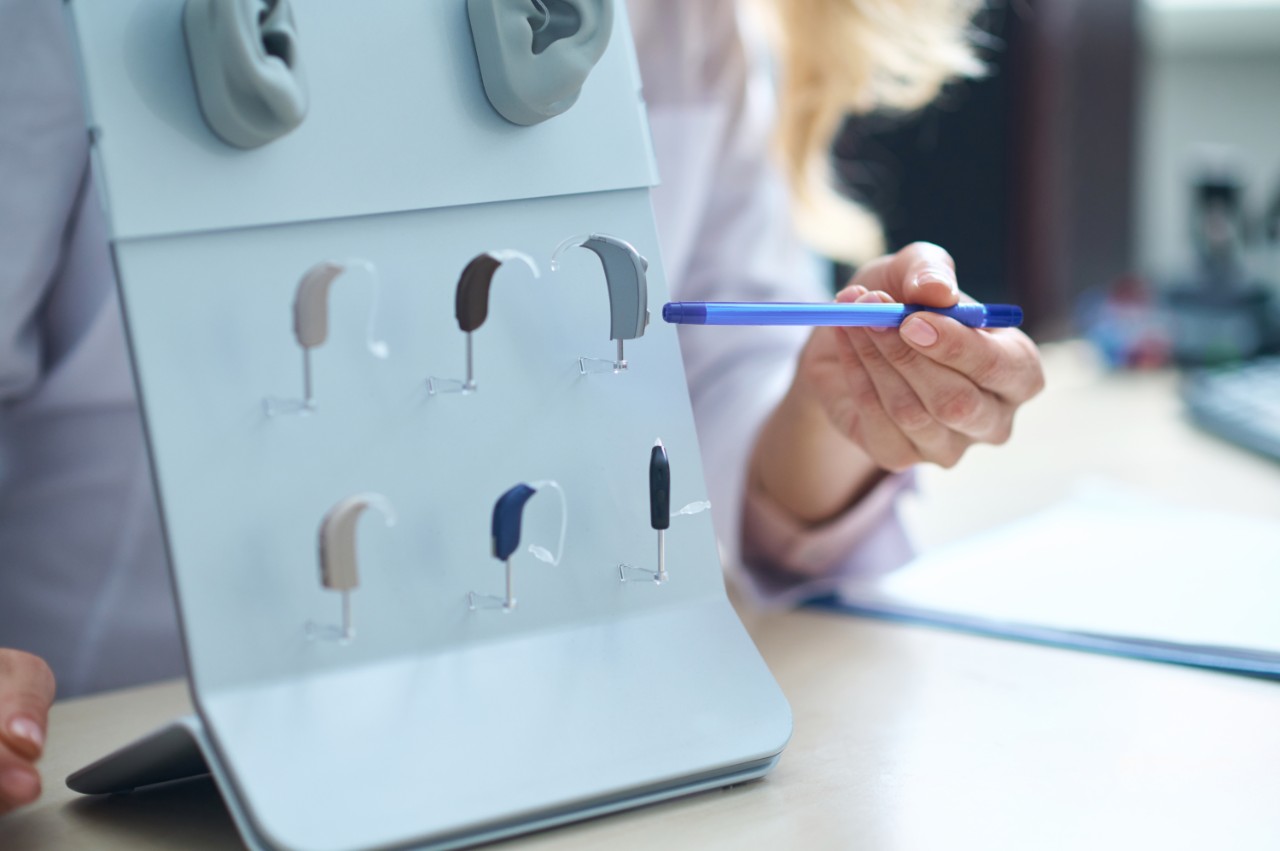
Assistive listening devices for everyday situations
Assistive listening devices are designed to support clearer communication in many common daily activities, from watching TV at home to having conversations in noisy places. They can make phone calls easier to understand, improve speech clarity in conference rooms or classrooms, and help users follow dialogue in theaters, churches, or public venues. By delivering sound directly and reducing background noise, assistive listening device systems adapt to different environments and help replicate the cocktail party effect, providing targeted support wherever hearing becomes challenging.
Benefits of assistive listening devices
- Improve speech clarity, especially in noisy or crowded environments
- Reduce background noise and listening effort
- Make conversations easier to follow at a distance
- Enhance TV, phone, and media listening experiences
- Support better communication in classrooms, meetings, and public venues
- Increase independence and confidence in everyday situations
- Work with or without hearing aids for flexible hearing support
Latest innovations in assistive listening technology
Recent innovations in assistive listening technology are focused on making devices smarter, more connected, and easier to use in everyday life. New wireless standards, such as low-energy Bluetooth audio and broadcast audio features, allow sound to be streamed directly to multiple users at once with minimal delay, improving access in public spaces and shared environments. Artificial intelligence is also playing a growing role by enhancing speech clarity, reducing background noise, and automatically adapting to different listening situations. In addition, modern assistive listening device systems now offer better smartphone integration, app-based controls, and rechargeable designs, making them more convenient, discreet, and personalized than ever before.
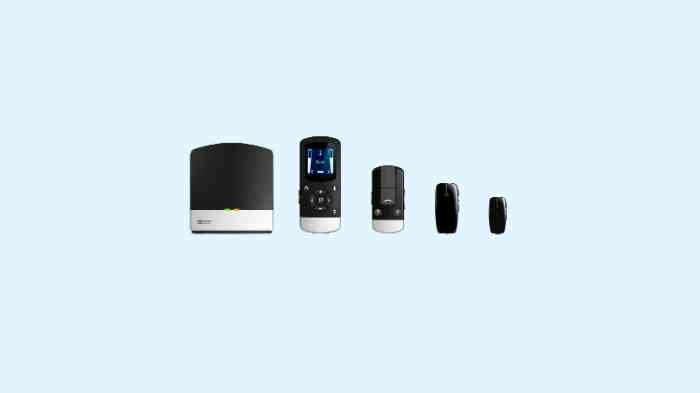
Assistive listening devices price
The price of assistive listening devices can vary widely depending on the type, features, and technology included. Basic personal amplifiers and simple TV listening systems are generally more affordable, while advanced wireless solutions—such as FM/DM systems, hearing loops, and Bluetooth-enabled devices with app control—tend to cost more. Factors like range, battery life, connectivity options, and compatibility with hearing aids also influence price. Although higher-end assistive listening device systems require a larger investment upfront, many users find the improved clarity and communication support well worth the cost, and there are also budget-friendly options and funding programs that can help make them more accessible.
FAQs about assistive listening devices
Are there devices that alert hearing people?
Does Medicare cover any hearing devices?
Do listening devices need WiFi?