What is the cocktail party effect?
The cocktail party effect is the brain’s remarkable ability to focus on a single conversation or sound in a noisy environment, such as a crowded party or busy café, while filtering out irrelevant background noise. This phenomenon was first systematically studied by Cherry in 1953, often cited as the Cherry 1953 cocktail party effect, which demonstrated how people can selectively attend to one auditory message while ignoring others. It is a classic example of selective attention in the auditory domain, showing how our brains prioritize important sounds over competing stimuli. Understanding this effect is crucial not only for cognitive psychology but also for designing technologies, such as hearing aids and AI-driven auditory devices, that enhance speech perception in noisy settings.
The cocktail party effect psychology
In psychology, the cocktail party effect is a key example of selective attention, illustrating how the brain focuses on specific stimuli while filtering out irrelevant background noise. Often studied in AP Psychology, it is defined as the ability to attend to one conversation amid multiple overlapping sounds, making it a common topic in cognitive psychology courses and exam prep. This concept also appears in the MCAT, where students are tested on how attention and auditory processing influence perception.
How does the cocktail party effect work?
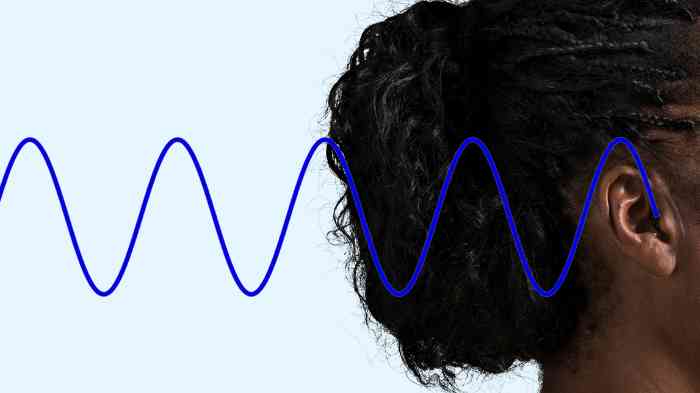
The cocktail party phenomenon occurs when the brain filters out irrelevant background noise to focus on a single conversation or sound, demonstrating the power of selective attention. This process relies on both bottom-up auditory processing, which detects the characteristics of sounds such as pitch and location, and top-down cognitive control, which allows the brain to prioritize important stimuli based on context and personal relevance. Neural mechanisms in the auditory cortex play a critical role, amplifying the attended voice while suppressing competing sounds. The cocktail party effect is not only an everyday experience at social gatherings but also a fundamental concept in psychology and neuroscience, illustrating how our sensory and cognitive systems work together to make sense of complex auditory environments.

Cocktail party effect examples in everyday life
The cocktail party effect is something most people experience daily, even if they don’t realize it. It allows us to focus on a single conversation or sound amidst background noise. Some common examples include:
- Social gatherings: At a busy party or wedding, you can concentrate on what a friend is saying while ignoring overlapping conversations and music.
- Work environments: In open-plan offices, employees often focus on their own discussion or phone call while filtering out chatter from coworkers.
- Restaurants and cafés: When dining with friends in a noisy café, you can follow your conversation despite the clatter of dishes and surrounding patrons.
- Classrooms and lectures: Students may focus on the instructor’s voice while ignoring whispers or other distractions in the room.
- Public transport: On a crowded bus or train, passengers can attend to a conversation or a podcast while filtering out engine noise and nearby chatter.
Cocktail party effect vs. selective attention
While closely related, there is a clear difference between selective attention and the cocktail party effect. Selective attention is a broad cognitive process that allows the brain to focus on relevant information while ignoring distractions, and it can apply to all senses, including vision and touch. The cocktail party effect, on the other hand, is a specific instance of selective attention that occurs in the auditory domain, allowing a person to concentrate on a single conversation in a noisy environment. In other words, the cocktail party effect demonstrates how selective attention works in practice, particularly in complex listening situations, highlighting the brain’s remarkable ability to prioritize important auditory signals over competing sounds.
Cocktail party effect: ADHD, autism & hearing loss
The cocktail party effect can vary significantly depending on individual cognitive and sensory conditions. For people with ADHD, difficulties with sustained attention may make it harder to focus on a single conversation in noisy environments. Similarly, individuals with autism may experience sensory processing differences that make filtering overlapping sounds challenging or overwhelming. In the case of hearing loss, reduced auditory input can interfere with the ability to separate speech from background noise, making conversations in crowded settings more difficult to follow.

Implications for hearing technology
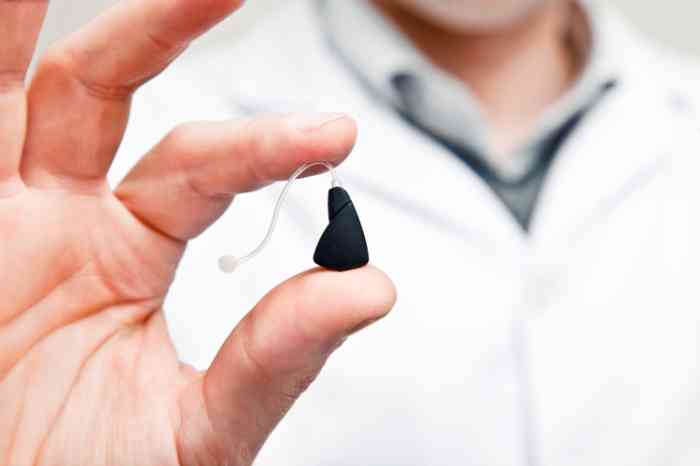
The cocktail party effect has important implications for hearing technology, particularly for individuals with hearing loss or difficulty filtering background noise. Modern hearing aids and assistive listening devices are designed to mimic this natural selective attention, using features like directional microphones, noise reduction algorithms, and speech enhancement to help users focus on specific voices in noisy environments.
Advanced AI-powered hearing devices can even identify and prioritize speech while suppressing irrelevant sounds, effectively replicating the brain’s cocktail party processing. Understanding the neural mechanisms behind the cocktail party effect allows engineers and audiologists to develop technology that improves speech perception, enhances communication in social settings, and ultimately increases the quality of life for users.
FAQs about the cocktail party effect
Are cocktail parties effective for development?
Are there conditions that affect cocktail effect?
** Some images in this article were generated using artificial intelligence.