Hearing aid cost
Average prices by type, brand & technology
Hearing aids cost can vary significantly depending on factors such as the manufacturer, technology, overall quality and other features. Generally, the average cost of hearung aids is about $2,700 per pair, although prices can range from a few hundred dollars for OTC devices to over $8,000 for premium prescription models.
For many people, hearing aids represent a meaningful financial commitment, even when insurance helps cover part of the expense. Understanding how to evaluate their value is an important step toward making an informed decision.
Disclaimer: prices mentioned all over the article are indicative and based on publicly available third‑party sources, provided for informational purposes only and may vary depending on provider and location.
Hearing aid cost with insurance
Hearing aid costs with insurance can vary significantly depending on the type of plan (private insurance, Medicare Advantage, employer benefits, or discount networks). In the US, coverage is highly variable and often does not fully pay for hearing aids, but may provide partial contributions, discounts, or bundled pricing that includes related services such as hearing evaluations, fittings, and follow-up visits. Some plans may also offer optional loss and damage coverage for hearing aids.
On average, insured patients may pay around $1,000 to $3,500 per device, depending on the level of coverage and provider.
Hearing aid cost without insurance
Hearing aid cost without insurance in the US is generally higher, as patients pay the full price out of pocket. On average, a single hearing aid costs between $1,500 and $4,000, meaning a pair can range from $3,000 to $8,000 or more depending on the technology level (basic, mid-range, or premium) and features such as Bluetooth connectivity or advanced sound processing.
This price often includes the device itself plus professional services like testing and fitting, although these may sometimes be billed separately depending on the provider.
Is a hearing aid warranty worthwhile?
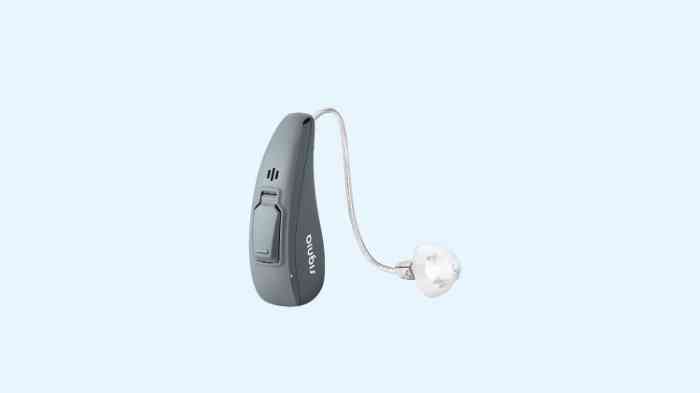
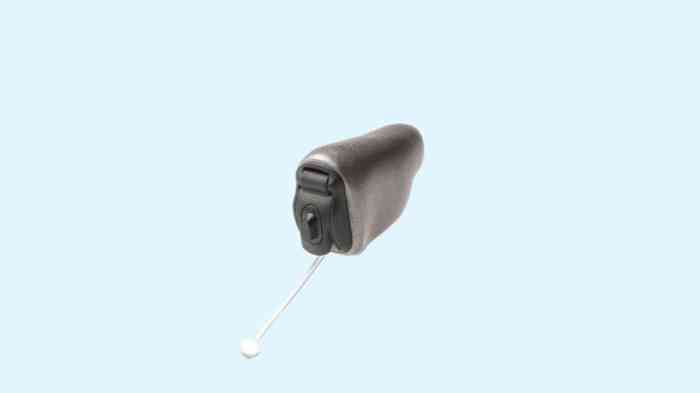
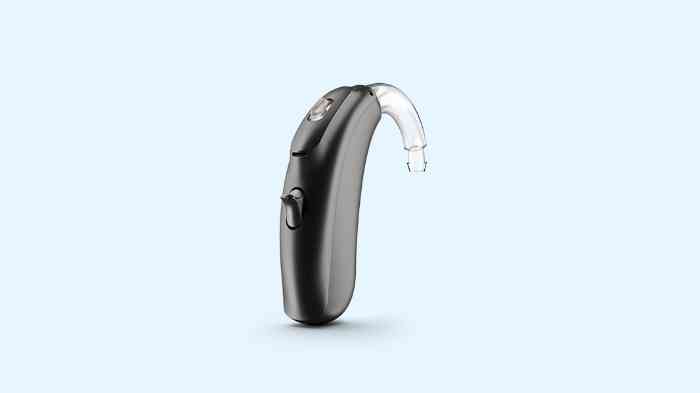
Hearing aid types and costs
BTE (Behind-The-Ear) | RIC/RITE | ITE (In-The-Ear) | CIC | IIC | CROS/BiCROS | |
|---|---|---|---|---|---|---|
Average cost per pair |
~$2,000–$6,000 |
~$2,500–$6,500 |
~$2,000–$5,000 |
~$1,800–$4,500 |
~$2,000–$5,000 |
~$3,000–$6,500 |
Best for |
Users who need stronger amplification and easier handling |
Comfort, discreet fit, Bluetooth connectivity |
Users who want custom-fit devices with easier controls |
Discreet everyday wear and cosmetic preference |
User looking for the most invisible custom solution |
Single-sided hearing loss or asymmetric hearing needs |
Notes |
Often the most powerful style, suitable for a wide range of hearing needs |
One of the most popular modern styles for everyday use |
Custom molded and often easier to insert than smaller canal styles |
Very small and less visible, but may offer fewer advanced features |
Sits deeper in the ear canal and is nearly invisible when worn |
Specialized systems that route sound from the weaker ear to the better ear |
Hearing aid cost by brand
Premium brands such as Phonak, Oticon, Starkey, ReSound, Signia and Widex generally come at a higher cost but offer more advanced sound processing, connectivity, and customization options.
More affordable alternatives like Beltone and Audibel may still provide strong performance, especially for users looking for professional support at a lower price point.
Phonak | Oticon | Starkey | ReSound | Signia | Widex | Beltone | Audibel | |
|---|---|---|---|---|---|---|---|---|
Average cost per pair |
~$3,800–$4,800 |
~$3,800–$4,800 |
~$3,200–$4,800 |
~$3,300–$4,500 |
~$3,000–$4,800 |
~$3,800–$4,600 |
~$1,700–$3,500 |
~$2,500–$4,000 |
Best for |
Speech clarity, noisy environments, universal Bluetooth compatibility |
Natural sound processing, first-time users, daily conversations |
AI features, tinnitus support, health tracking, rechargeable options |
iPhone streaming, connectivity, speech in noise |
Speech enhancement, sleek rechargeable designs, tinnitus support |
Music quality, natural sound, sensitive listeners |
Affordable professional fittings and local support |
Personalized fittings, custom clinic support |
Strength |
One of the best choices for users with more significant hearing difficulties thanks to powerful BTE and RIC models |
Excellent for users looking for a softer, more natural listening experience |
Ideal for tech-oriented users and those interested in wellness-focused hearing solutions |
Excellent ecosystem for Apple users and people who rely on wireless accessories |
Particularly strong for users who want discreet premium RIC styles like Styletto or Pure Charge&Go |
Often preferred by musicians and users who prioritize sound fidelity |
Strong balance between price, accessibility and in-person care |
A good option for users who want more clinician-guided adjustements |
Low cost hearing aids: how much do they cost
Low cost hearing aids are usually the best option for adults with mild to moderate hearing loss who want essential hearing support without the higher cost of prescription devices. In the current US market, most affordable OTC hearing aids range from about $400 to $1,000 per pair, depending on features such as rechargeability, app controls, and speech-in-noise support.
They generally focus on speech amplification, simple noise reduction, and easy self-fitting, making them a practical entry point for first-time users.
Some of the mosr recognized budget-friedly brands include Elehear, Sony CRE-E10, Lexie, Audien, Jabra Enhance Select and MDHearing, whose prices can go from $250 for ultra-basic models, to around $1,200.
What is included in hearing aid cost?
The cost of a hearing aid includes more than just the device. Costs usually include the cost of your initial consultation, a hearing aid test, the custom-molding of earmolds, a specialized service package and the initial fitting. Follow-up adjustments, routine cleaning, and a one- to three-year warranty are also often included in the price. Be sure to ask for a list of what the price includes when considering hearing aids.
What is not included in hearing aid cost?
Replacement batteries are rarely included in hearing aid costs, although many dispensers provide a pack of batteries to get you started. Accessories such as devices to dry out hearing aids at night and cleaning kits are also not usually included. If you choose a set of rechargeable hearing aids, remember the cost of the charging port and eventual battery replacement are not part of the initial cost.
Which hearing aid features increase the cost?
Additional features can drive up hearing aid costs but they can also greatly improve your quality of life: they can make it easier to detect which direction sounds come from, reduce background noise when talking in loud environments, and allow phones and televisions to transmit audio directly to your hearing aid:
- Noise reduction
- Directional microphones
- Rechargeable batteries
- Telecoils
- Wireless connectivity
- Remote controls
- Direct audio input
- Variable programming
- Environmental noise control
A Consumer Reports survey of hearing aid users found 53% said rechargeable batteries were among the most important features looked for in hearing aids, with 43% valuing smartphone connectivity and tinnitus symptom reduction the most. Automatic noise level adjustments, multiple program settings, advanced microphone features, and wireless technology all ranked high among survey respondents.
Hearing aids for tinnitus: cost
Hearing aids for tinnitus in the US do not have a separate or dedicated price category, as the cost mainly depends on the device technology level and provider rather than the condition being treated.
Tinnitus management features such as sound therapy programs, masking sounds, and advanced noise processing are more commonly included in mid-range to premium models, which can place the typical cost closer to $2,500 to $6,000 per device. In most cases, the price also includes audiology services such as fitting, personalization for tinnitus relief, and follow-up adjustments, which are essential for optimizing the effectiveness of the treatment.
AI hearing aid cost
AI hearing aids are among the most advanced hearing solutions available today, using artificial intelligence to automatically adapt sound settings in real time. These devices can reduce background noise, enhance speech clarity, and adjust to different listening environments such as restaurants, outdoor areas, or phone calls. In the US, AI hearing aid costs typically range from $2,000 to $6,000 per device, depending on the brand, technology level, and included audiology services. Premium models are usually positioned at the higher end of this range due to more advanced processing capabilities and personalization features.
Horizon IX hearing aid cost
Among AI hearing aids, Horizon models are often positioned in the premium segment, thanks to advanced sound processing and a strong focus on speech clarity. The Horizon IX, in particular, is designed to adapt in real time to different listening environments, using intelligent noise reduction and automatic adjustments to manage complex acoustic situations such as restaurants, meetings, or outdoor settings.
As a result, this model is generally considered one of the more advanced AI‑driven hearing aids available, with costs typically ranging from $3,000 to $5,500 per device, depending on the provider, configuration, and included audiology services.
Retailers which sell hearing aids in the US
Hearing aid prices in the US can vary significantly depending on the retailer, with warehouse clubs and large chains often offering more competitive bundled packages compared to traditional audiology clinics.
The cost of hearing aids at Walmart in the US generally starts at the lower end of the market, with prices often ranging from budget-friendly options to mid-range devices depending on features and bundled services. Walmart Hearing Centers may offer hearing tests and basic fitting services, but the overall selection can be more limited compared to specialized providers.
Instead, the cost of hearing aids at Costco is more balanced between price and quality characteristics: it typically range from around $1,500 to $3,500 per pair, often including premium brands, advanced technology features, and comprehensive aftercare services such as adjustments and follow-ups.
Which is the approximate cost of hearing aids?
In the end, most patients can expect to pay between $1,500 and $4,000 per hearing aid, and between $3,000 and $8,000 or more for a pair of hearing aids.
While entry-level models are more affordable, advanced devices with features such as AI-driven sound processing, Bluetooth connectivity, and advanced noise reduction tend to be significantly more expensive.
Additional costs may also apply for professional services like hearing evaluations, fittings, and follow-up adjustments.
FAQs about hearing aid cost
Are the cost of hearing aids tax deductible?
Which is the cost of lyric hearing aids?
Which is the cost of hearing aid loss insurance?
What is a retiree at-cost hearing aid program?