When dealing with a ruptured eardrum, even resting at night can become uncomfortable. Pain, pressure, or fluid drainage may make it difficult to find a comfortable position, leaving many people searching for practical advice on how to sleep without worsening the symptoms.
While living with this condition can be frustrating, the good news is that a few simple adjustments can make sleeping easier. In this guide, we’ll explain the safest sleeping positions, what side you should sleep on with a perforated eardrum, and share helpful tips to reduce discomfort and protect your ear while it heals.
What is a perforated eardrum?
Symptoms of a ruptured eardrum
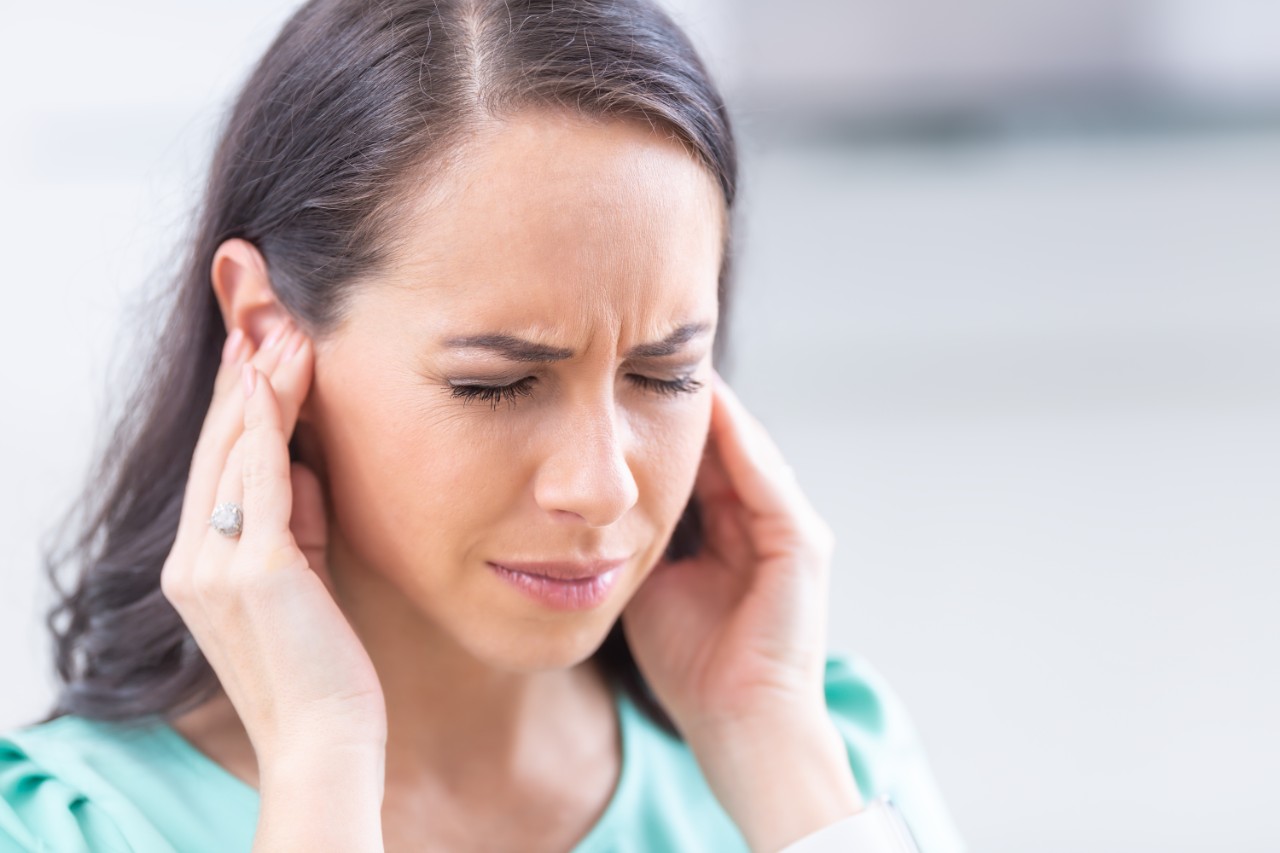
Sudden ear pain often marks the moment the delicate tympanic membrane tears, as the nerves in the eardrum are abruptly stimulated. Fluid drainage—which may be clear, pus-filled, or bloody—occurs because the tear creates a pathway for middle ear fluids or blood to escape into the ear canal. Hearing changes, such as muffled hearing or partial hearing loss, result from the disruption in the eardrum’s ability to transmit sound vibrations to the middle ear bones. Tinnitus (ringing in the ear) or dizziness can accompany the rupture because the inner ear and auditory nerves react to sudden pressure changes or fluid imbalance.
These symptoms often follow ear infections, trauma to the head or ear, exposure to loud sounds, or rapid pressure changes (like during flying or diving). To confirm a rupture, a doctor examines the eardrum visually, looking for a visible tear, fluid, or abnormal coloration. In some cases, tests like tympanometry measure how well the eardrum vibrates, helping detect perforations even when the tear is small or hidden. By connecting symptoms, causative events, and diagnostic tests, you can understand why each sign points toward a possible eardrum rupture.
Toddler with a ruptured eardrum: symptoms
Should you sleep on the side of a ruptured eardrum?
That said, for most small or uncomplicated perforations, sleeping on either side does not typically worsen the rupture or cause additional damage. Comfort is an important factor: choose a position that reduces pain and allows you to rest well, while keeping in mind simple precautions like elevating your head slightly and avoiding direct pressure on the affected ear.
Ear pain after sleeping on one side
How to sleep with a ruptured eardrum
Sleeping comfortably with a ruptured eardrum requires minimizing pressure on the injured ear, managing pain, and protecting the ear from moisture or infection. Optimal strategies include:
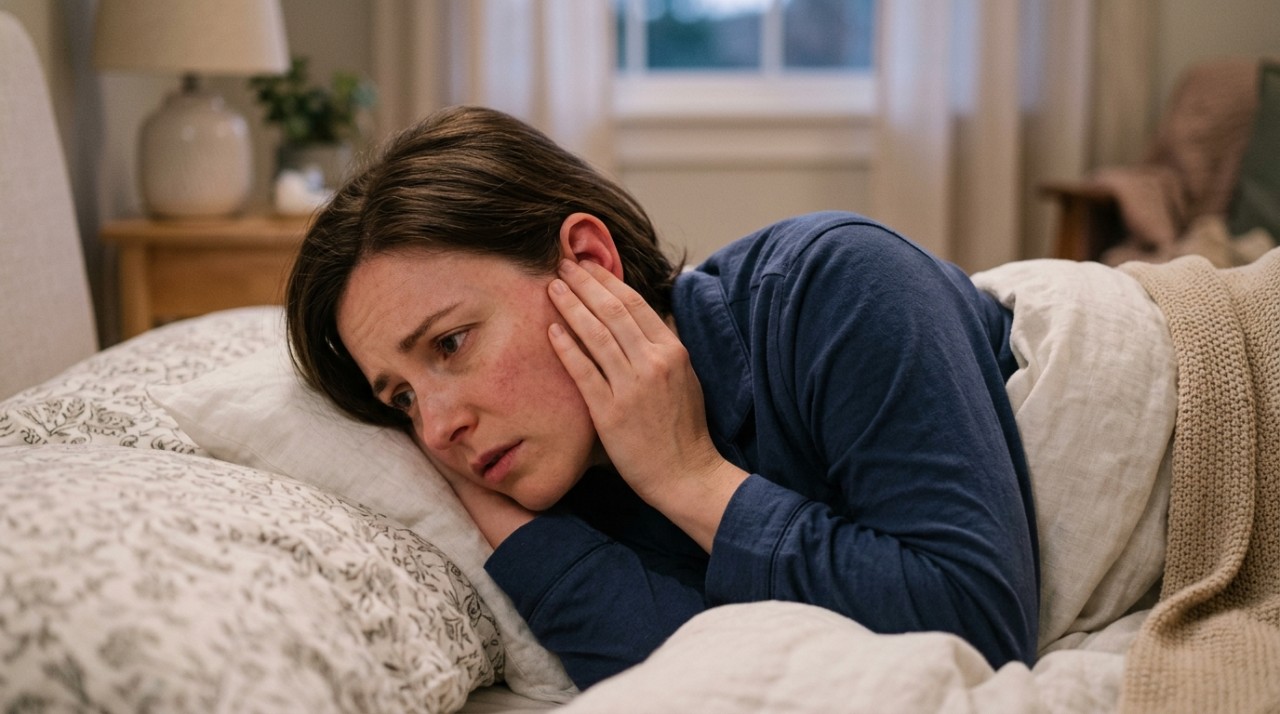
- Sleep Position: Lie on your back or on the unaffected side, keeping the injured ear facing upward. This reduces direct pressure on the eardrum and helps prevent fluid from pooling.
- Elevate Your Head: Use one or two extra pillows to slightly elevate your head. This can decrease inner ear pressure, ease discomfort, and improve drainage if fluid is present.
- Protect the Ear: Keep the ear dry at all times. Avoid inserting cotton swabs, earplugs, or any objects into the ear canal, as this can introduce bacteria or worsen the injury.
- Manage Discharge: If fluid or drainage occurs, place a clean towel or tissue on your pillow to protect bedding, but never pack the ear with cotton, which increases infection risk.
- Pain Relief: Over-the-counter medications such as ibuprofen or acetaminophen taken 30–60 minutes before bed can help reduce pain and improve sleep quality.
- Warm Compress: Applying a warm compress or low-heat pad to the outer ear can help relax surrounding muscles and soothe discomfort.
By combining these approaches, you can sleep more comfortably while supporting natural healing of the ruptured eardrum.
How to sleep with a ruptured eardrum in both ears
If both eardrums are perforated, it’s especially important to minimize pressure on the ears while sleeping. The safest position is lying on your back, which keeps both ears free from direct pressure and allows fluids to drain naturally.
If you experience significant pressure, discomfort, or congestion, sleeping slightly upright or propping your head on multiple pillows can help relieve tension in the middle ear and improve comfort.
In addition to positioning, ensure that your ears remain dry and protected from water, avoid inserting anything into the ear canal, and follow your doctor’s guidance on pain management and infection prevention. Proper sleep posture in this situation supports healing and reduces the risk of further complications.
Best sleeping position to drain your ears
Finding the best sleeping position to drain your ears can significantly alleviate discomfort and promote ear health. If you're dealing with fluid buildup but do not have a ruptured eardrum, the optimal position is to sleep on your side with the affected ear facing down. This uses gravity to help drain any trapped fluid, reducing pressure and potential pain. Elevating your head with an extra pillow can also enhance drainage and prevent fluid buildup.
However, if you have a ruptured eardrum, it's best to sleep with the affected ear facing up to avoid further irritation and aid in healing. Adopting the correct sleeping position based on your condition ensures better ear health and a more comfortable sleep.
How to sleep with ear pain
Finding ways to sleep comfortably with ear pain is essential for managing discomfort and promoting restful sleep. When dealing with ear pain at night, it's important to avoid putting direct pressure on the affected ear. Opting to sleep on your back or on the opposite side of the painful ear can help alleviate discomfort.
Using a soft and supportive pillow to elevate your head can also reduce pressure and aid in drainage if there's any fluid buildup. Applying a warm compress to the ear before bedtime may offer additional relief by soothing inflammation and easing pain. Over-the-counter pain relievers can be helpful in managing nighttime discomfort, facilitating a more peaceful sleep experience.
Tips for sleeping with a perforated eardrum
Falling asleep can be challenging even under the best circumstances, and a perforated eardrum can make it feel almost impossible. To improve comfort and rest, consider the following strategies:
- Apply a warm compress: Gently place a warm compress on the outer ear to soothe pain. Avoid letting any water enter the ear canal, as moisture can increase the risk of infection.
- Use pain relief if needed: Take an over-the-counter pain reliever, such as ibuprofen or acetaminophen, 30–60 minutes before bed to reduce discomfort and make falling asleep easier.
- Sip calming beverages: A cup of chamomile tea about an hour before bed can help relax your body and mind, promoting restful sleep.
- Limit stimulants: Avoid caffeine after midday, as it can increase alertness and make it harder to fall asleep.
- Create a tech-free wind-down: Turn off TVs, phones, and other electronic devices at least an hour before bed to reduce mental stimulation and prepare your body for sleep.
By combining these tips, you can improve sleep quality, reduce ear discomfort, and support the healing of a perforated eardrum.
Do ruptured eardrums heal on their own?
Yes, most ruptured eardrums heal naturally within a few weeks to a couple of months, particularly when the tear is small. During this time, simple measures such as pain relievers or antibiotics (if an infection is present) are often sufficient to support recovery.
However, larger or persistent perforations may require medical intervention. A doctor might perform an eardrum patch to promote healing or, in more severe cases, surgical repair (tympanoplasty). Intervention is typically recommended when the rupture does not heal on its own, causes ongoing hearing loss, or leads to repeated middle ear infections, ensuring both proper hearing restoration and protection of the middle ear.
How long does it take to sleep normally again?
A ruptured eardrum often leads to fluid, blood, or pus draining from the ear for several days after the tear occurs. The healing process depends on the size of the perforation and overall ear health, with most small tears healing naturally within a few weeks to two months.
While pain may decrease or disappear immediately after the rupture, ear discharge can continue until the eardrum fully recovers, especially if a middle ear infection is present. Monitoring the ear for persistent drainage, worsening pain, fever, or hearing loss is essential, as prolonged leakage may require medical evaluation to ensure proper healing.
Understanding the recovery time for a ruptured eardrum can help you plan care, avoid activities that may slow healing, and recognize when to seek professional attention to prevent complications.
What not to do with a ruptured eardrum
Proper care is essential to protect a ruptured eardrum and promote healing. Certain actions can increase the risk of infection, delay recovery, or worsen the injury. Key precautions include:
- Do Not Insert Anything into the Ear: Avoid earplugs, cotton swabs, or ear drops unless prescribed by a doctor. Introducing objects can further damage the eardrum or introduce bacteria, increasing the risk of infection.
- Avoid Pressure-Building Activities: Refrain from blowing your nose forcefully, as this can create pressure in the middle ear that hinders healing or even worsens the perforation.
- Keep Water Out of the Ear: Protect the ear while showering or bathing. You can use a cotton ball lightly coated with petroleum jelly to block water from entering the ear canal, but avoid pushing it inside the ear. Water exposure can increase infection risk and slow the healing process.
Following these precautions is crucial to ensure safe recovery, reduce discomfort, and prevent complications while the eardrum naturally repairs itself.

Can you fly with a ruptured eardrum?
Flying with a burst eardrum: what to do?
FAQs about how to sleep with a ruptured eardrum
Can a ruptured eardrum cause jaw pain?
Can a ruptured eardrum cause vertigo?
Can coughing cause ruptured eardrum?
Should I take time off work with a perforated eard
Why does my ear hurt after blowing my nose?
Does a ruptured eardrum affect sleep?
Can a ruptured eardrum cause insomnia?
Can fluid leaking from the ear disturb sleep?
Does a ruptured eardrum increase noise sensitivity
Does tinnitus worsen at night with eardrum issues?
Are special pillows made for ear problems?
Does head tilting during sleep reduce pain?
Can a recliner or adjustable bed improve comfort?
Definitely. Recliners and adjustable beds allow you to sleep in a semi-upright position, which:
- Reduces pressure in the middle ear
- Helps fluid drain naturally
- Minimizes pain and discomfort from lying flat
- Makes it easier to tolerate tinnitus or mild vertigo at night
This is particularly helpful for people whose rupture is accompanied by ear infection or significant fluid accumulation, as lying flat can worsen pain and congestion.
Should you take medication before sleep for pain?
Avoid very hot or cold rooms when sleeping
Yes. Temperature extremes can exacerbate discomfort:
- Cold rooms can increase ear pain or worsen congestion
- Hot rooms may cause sweating around the ear and irritation
Stable, moderate temperatures (18–22°C / 64–72°F) are best. Maintaining humidity around 40–50% helps prevent dryness, which can aggravate the rupture. Some people benefit from using a humidifier or fan for airflow without direct drafts on the ear.
**The cover image and some of the images in the text are AI-generated.