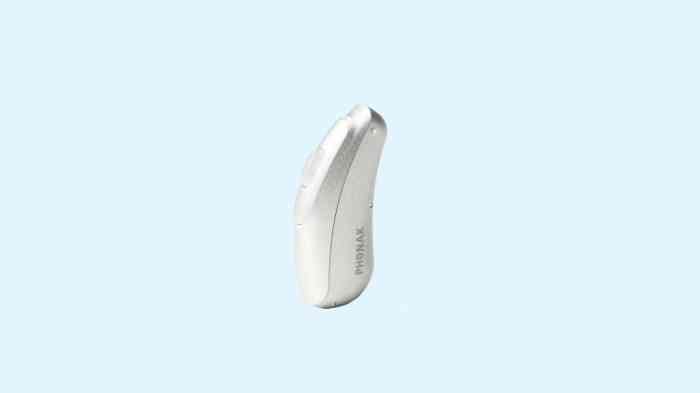
Nano hearing aids
Nano hearing aids reviews & complaints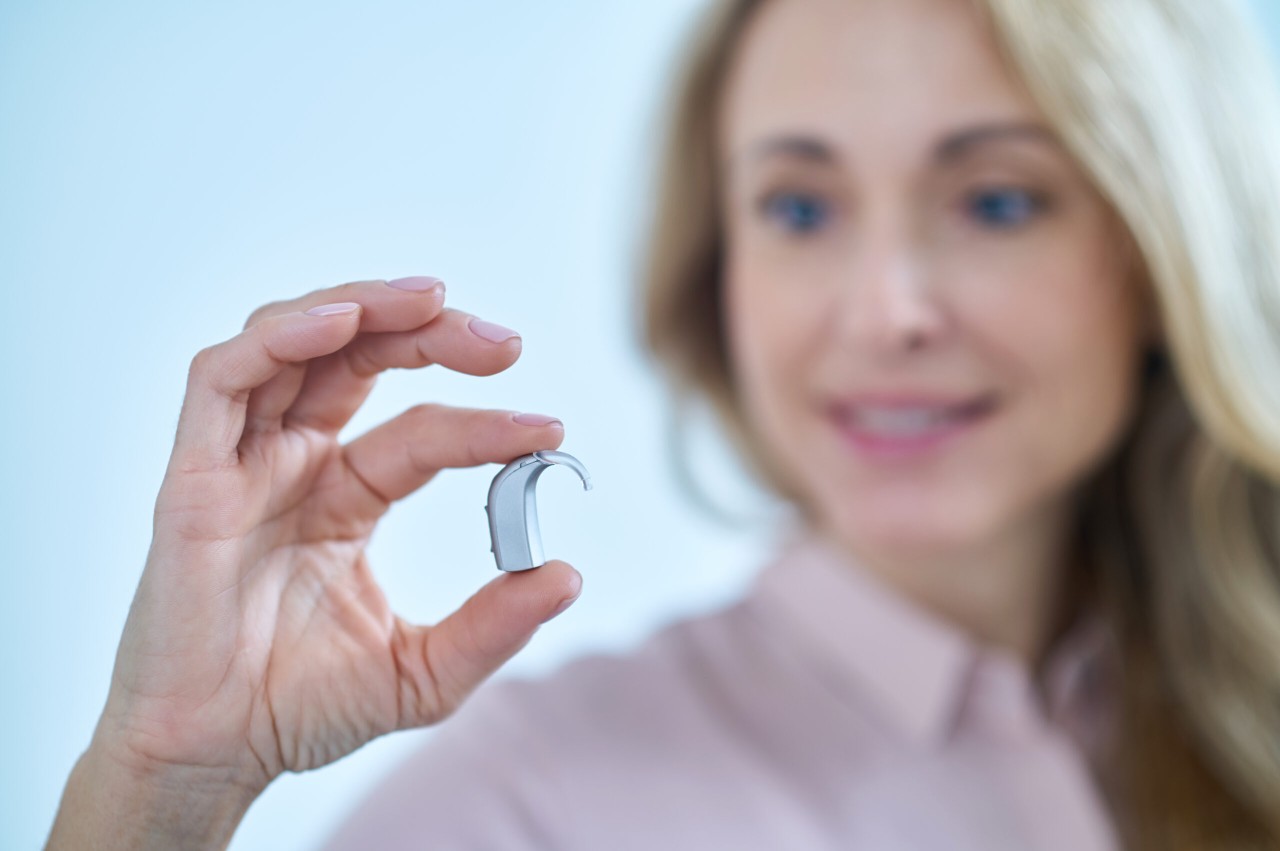
Are Nano hearing aids amplifiers? In some commercial messaging, they are often presented as hearing aids in commercial messaging, but they are more accurately described as over-the-counter (OTC) sound amplification devices. This distinction is important, as it helps set realistic expectations: these products are designed to amplify environmental sounds rather than provide the personalized performance of professionally fitted hearing aids.
Nano hearing aids: types
Nano hearing aids are generally designed to prioritize discretion and ease of use, with most models falling into compact in-the-ear categories.
The most common option is the Nano CIC hearing aids format, which sits deep inside the ear canal and is intended to be minimally visible during everyday use. These devices are typically lightweight and simple to handle, making them appealing for first-time users. Some Nano models are also BTE hearing aids or hybrid solutions, although they usually lack the customization and power associated with traditional behind-the-ear medical devices.
Overall, the range focuses more on accessibility and design simplicity than on advanced audiological performance.
Nano hearing aids models: RX 2000 & Sigma Plus
Nano RX 2000 and Nano Sigma Plus are among the most promoted models in the Nano lineup. Both are designed as over-the-counter (OTC) hearing devices, meaning they provide general sound amplification without personalized fitting.
The main difference lies in positioning: the RX 2000 is typically a more basic, straightforward option, while the Sigma Plus is marketed as a more feature-rich model, with added controls and listening modes.
Despite this, both remain entry-level solutions compared to professionally fitted hearing aids, and performance can vary depending on the listening environment.
Nano RX 2000: key features
- Behind-the-ear (BTE) design
- Basic amplification system
- Up to ~16 hours battery life
- Limited sound programs (≈2)
- No directional microphones
- Includes basic accessories
Nano Sigma Plus: key features
- Noise reduction technology
- Dual directional microphones
- Rechargeable with charging case
- Up to ~12–14 hours per charge
- Multiple listening programs
- App-based controls
How do Nano hearing aid work?
Nano hearing aids work by capturing surrounding sounds through a built-in microphone, amplifying those sounds electronically, and delivering them into the ear canal via a small speaker. This basic principle is similar to that of traditional hearing aids, but the key difference lies in the level of personalization and sound processing.
Most Nano devices are not programmed based on an individual audiogram, which means amplification is more general rather than tailored to specific frequencies where hearing loss occurs. As a result, some sounds may be amplified unevenly, potentially affecting clarity and listening comfort in certain situations.
Anyway, Nano hearing aids offers a return policy - 45-day money-back guarantee on products - though customers must pay return shipping costs. It can be an important factor for users trying these devices for the first time, and, since performance may not meet all expectations, the availability of returns or trial periods can influence purchasing decisions.
Are Nano hearing aids any good?
Nano hearing aids can be a practical option for people experiencing mild hearing difficulties who are looking for a simple and affordable way to amplify everyday sounds. However, they are not designed to replace medical-grade hearing aids prescribed by hearing care professionals.
When evaluating whether they are “good,” it is important to consider their intended use: they may improve awareness of environmental sounds or conversations in quiet settings, but they often struggle in more challenging listening environments. Reviews and ratings tend to reflect this distinction, with some users satisfied by the accessibility and cost, while others point out limitations in sound quality, background noise management, and overall reliability.
Nano hearing aid reviews
Nano hearing aids reviews are highly mixed across online platforms, reflecting a wide range of user experiences. Some users report that these devices help improve the ability to follow conversations in quiet environments, such as at home or during one-on-one interactions. The simplicity of use and relatively low price point are often cited as positive aspects, especially for first-time users exploring hearing support options.
At the same time, other reviews highlight limitations, particularly in more complex listening environments. Background noise management, sound clarity, and overall consistency are commonly mentioned as areas where performance may fall short compared to professionally fitted hearing aids. This variability in feedback often stems from a mismatch between expectations and the actual capabilities of OTC amplification devices, which are not tailored to individual hearing profiles.
Nano hearing aid complaints
Common Nano hearing aid complaints include issues related to sound quality, especially in crowded or noisy environments where distinguishing speech from background noise can be difficult. Some users also report inconsistent amplification levels, where sounds may appear either too weak or overly amplified depending on the situation.
Beyond performance, complaints sometimes involve Nano hearing aid customer service and customer experience aspects such as shipping delays, return processes, or difficulties in obtaining refunds. In certain cases, users feel that advertising messages create expectations that are not fully aligned with real-world performance. These factors contribute to ongoing skepticism in online discussions and highlight the importance of understanding the product category before purchase.
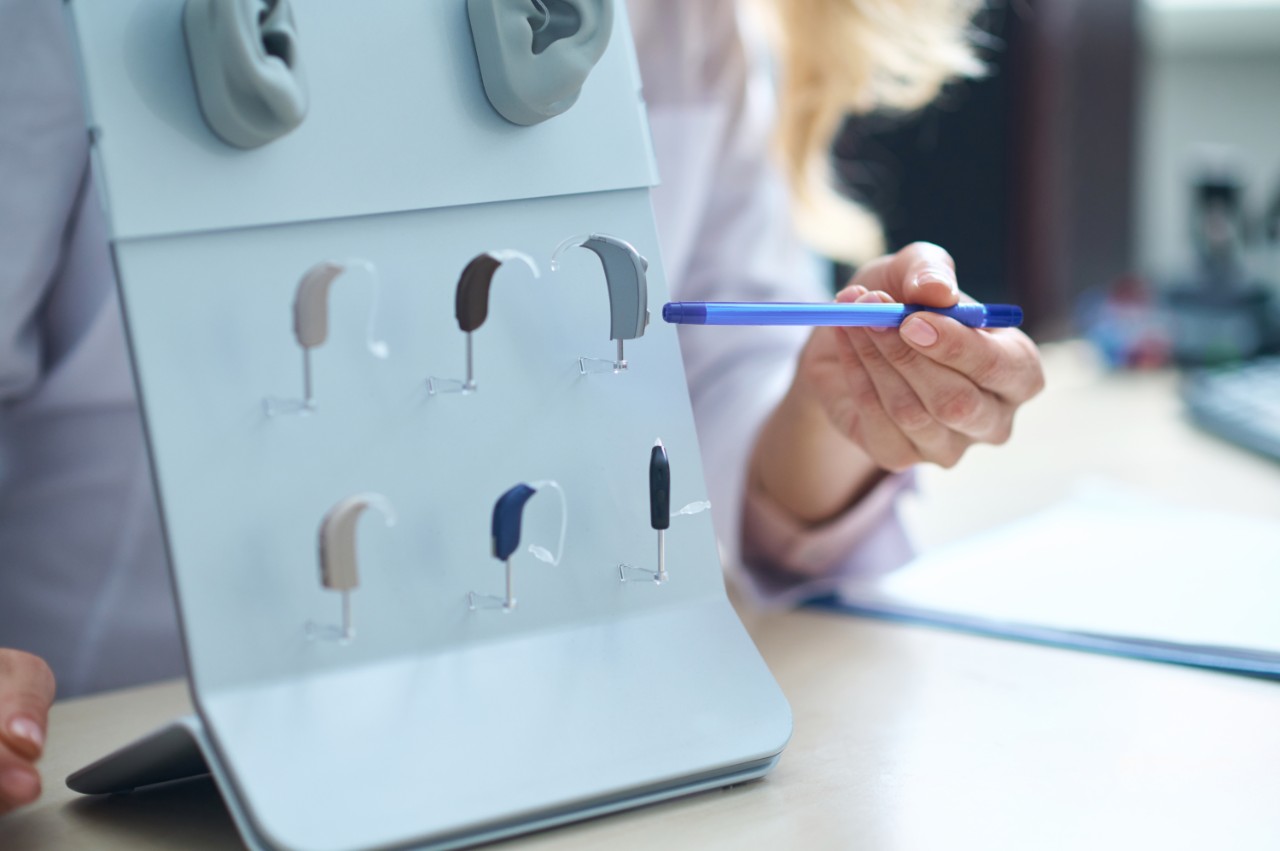
Nano hearing aid prices
Nano hearing aid prices are generally positioned in the low-cost segment, making them accessible to a wide range of users. They are often advertised through promotional offers, such as entry-level deals around $297, although actual pricing can vary depending on the model, included accessories, and sales channel.
In most cases, Nano hearing aids are sold in a range between approximately $300 and $1,000 per pair. This price difference may reflect bundled features such as rechargeable systems, charging cases, or additional maintenance accessories. Compared to prescription hearing aids, which can cost significantly more, this affordability is a key factor driving interest in Nano products. However, the lower price point also generally corresponds to fewer advanced features and less personalization.
Disclaimer: the information provided is for general guidance only; prices may vary depending on the model, technology level and provider.
Where to buy Nano hearing aids?
Nano hearing aids are widely available through a variety of online and retail channels, which contributes to their popularity among users looking for quick and affordable solutions. They can be purchased on large e-commerce platforms such as Amazon and Walmart, where multiple sellers may offer different bundles, pricing options, and shipping conditions. In addition, they are frequently promoted through direct-to-consumer websites, including official brand pages and TV or online advertising campaigns.
Because pricing, warranty conditions, and return policies can differ significantly between sellers, it is important to review product details carefully before buying. Checking the Nano hearing aid return policy, delivery times, and customer support options can help avoid unexpected issues. Comparing different sources also allows users to better understand what is included in the purchase and whether the offer aligns with their expectations in terms of performance and after-sales service.
Nano rechargeable hearing aids
Some Nano models are rechargeable, offering an alternative to traditional disposable batteries. These devices typically include a charging case or USB-based charging system, often referred to as a nano hearing aid charger, designed to simplify daily use and storage. Rechargeable options can be convenient for users who prefer not to replace batteries frequently, especially for everyday wear.
However, not all models rely exclusively on built-in rechargeable systems. Some versions still use replaceable batteries, making Nano hearing aid batteries relevant accessories depending on the device type. Battery life can vary based on usage habits, amplification level, and charging cycles, and performance may decrease over time as with most rechargeable technologies.
In addition to power-related components, maintenance accessories also play a role. Products such as Nano hearing aid filters are designed to help protect the device from earwax and debris, which can affect sound quality and functionality. Regular cleaning and occasional replacement of these small components can contribute to maintaining consistent performance.
Are Nano hearing aids Bluetooth compatible?
Most Nano hearing aids do not offer full Bluetooth compatibility comparable to that of premium hearing devices. While some models may include limited wireless functionality, they generally do not support direct streaming from smartphones, televisions, or other digital devices. This means users should not expect advanced connectivity features such as app-based sound adjustments or real-time audio streaming, which are typically found in higher-end, medically fitted hearing aids.
Nano hearing aids app
Although some Nano devices are associated with app-based features, functionality is usually quite basic compared to more advanced hearing aid ecosystems. In many cases, adjustments such as volume control are handled directly on the device rather than through a fully integrated mobile application. This simplified approach may be sufficient for users seeking straightforward operation, but it does not provide the same level of customization or remote control found in more sophisticated hearing solutions.
Are Nano hearing aids FDA approved?
Although registered with the FDA, Nano hearing aids haven't undergone the rigorous testing of traditional medical-grade hearing devices. This distinction has contributed to confusion over time, and it is one of the reasons behind the Nano hearing aids lawsuit, which raised concerns about marketing claims and product classification. In practice, Nano hearing aids are generally positioned as over-the-counter (OTC) amplification devices. They are designed to provide basic sound amplification rather than personalized hearing correction based on a professional diagnosis.

FAQs about Nano hearing aids
Are Nano hearing aids worth the money?
Do Nano hearing aids help tinnitus?
Where are Nano hearing aids made?
Are Nano hearing aids covered by Medicare?
How to clean Nano hearing aids?
How to insert Nano hearing aids?