Take a test of the latest hearing aids for free with Earpros

Betnesol ear drops for sinusitis and otitis externa

A man with a brown shirt looking towards us smiling

Betnesol drops are prescription medicines that contain the corticosteroid betamethasone, used to reduce inflammation. Betamethasone works by calming the immune response in tissues where swelling, redness or irritation is present. Some formulations — such as Betnesol-N eye, ear and nose drops — also include the antibiotic neomycin when there is a risk of bacterial infection. These drops are classified as prescription-only medicines and should be used under the supervision of a qualified healthcare professional.

When specifically used for the ear, Betnesol drops for ears are prescribed to treat inflammatory conditions of the outer ear canal, such as otitis externa. The corticosteroid helps reduce swelling and irritation in the ear canal, while the antibiotic component in combination products addresses or prevents bacterial infection when appropriate. Betnesol nasal drops refer to the same active ingredient (betamethasone) formulated for use in the nose to reduce inflammation of the nasal lining, for example in allergic rhinitis. Nasal steroid drops are prescribed when nasal inflammation is significant and requires a corticosteroid to relieve symptoms.

Betnesol products — whether for ears, eyes, nose or a combination — should be used only as directed. They are not suitable for viral or fungal infections and should not be used without medical assessment of the condition being treated. Prolonged or inappropriate use may increase the risk of side effects.

Betnesol ear drops uses: things to know

Betnesol ear drops are a prescription medication that combine a corticosteroid (betamethasone) with an antibiotic (neomycin) in formulations such as Betnesol-N ear, eye and nose drops. This combination works by reducing inflammation — including redness, itching, soreness and swelling — while also helping to prevent or treat bacterial infection where there is a risk of infection developing. The corticosteroid betamethasone calms the body’s inflammatory response, making these drops useful for inflammatory conditions of the ear canal, such as otitis externa (“swimmer’s ear”), especially when bacterial infection is suspected. The added antibiotic neomycin helps stop bacteria from growing, supporting the healing process and reducing discomfort.

Betnesol-N ear drops are also licensed for use in the eyes or nose when inflammation is present and there is a risk of bacterial infection. Because of this, they are sometimes referred to as Betnesol eye ear and nose drops. However, they should only be used for the area and condition specified by a healthcare professional. As a corticosteroid and antibiotic combination, Betnesol should only be used on medical advice and for the shortest effective period. It is not suitable for viral or fungal infections. Always follow your doctor’s or pharmacist’s instructions carefully.

Betnesol ear drops for sinusitis: what is it used for?

Betnesol ear drops — and related formulations such as Betnesol-N eye, ear and nose drops — are prescription medicines containing the corticosteroid betamethasone, often combined with the antibiotic neomycin in products like Betnesol-N. These drops are designed to reduce inflammation and, in some cases, help prevent or treat bacterial infection where there is a risk, such as in the ear canal or on delicate mucosal surfaces. Importantly, Betnesol ear drops are not used to treat sinusitis. Sinusitis involves inflammation or infection of the sinus cavities inside the skull, not the external ear canal. Betnesol drops are formulated for topical use in the outer ear, eye, or nose to relieve redness, itching, swelling, and soreness in those specific areas, not within the deeper sinus passages. Betnesol-N may be prescribed when there is inflammation with a possible bacterial component affecting the ear, eye, or nose, but this is different from treating sinusitis itself. For sinusitis — whether allergic, viral, or bacterial — other treatments such as saline sprays, decongestants, or different prescription medicines may be recommended by a healthcare professional. Always consult a doctor or pharmacist before using Betnesol drops to ensure they are suitable for your symptoms and condition.

Elderly man unboxing his present at dinner table while smiling
Fancy a free hearing health consultation? Check here
Sign up for a free consultation with a licensed hearing care professional today!

How to use Betnesol ear drops effectively

  • Betnesol ear drops — including combination products like Betnesol-N eye, ear and nose drops — are prescription medicines containing the corticosteroid betamethasone, sometimes with the antibiotic neomycin. They are used to reduce inflammation and treat bacterial infection in the ear when clinically appropriate.
  • To use Betnesol ear drops effectively, always follow your doctor’s instructions and the guidance provided in the patient information leaflet. Before applying the drops, wash and dry your hands thoroughly to prevent contamination of the bottle tip.
  • Tilt your head to one side so the affected ear faces upwards. Gently pull the earlobe down and back to help straighten the ear canal, then place the prescribed number of drops into the ear, typically 2 to 3 drops, three to four times daily, or as directed. Keep your head tilted for a minute or two after application to allow the medicine to reach deeper into the ear canal. If both ears are affected, repeat the process on the other side.
  • Continue using the drops for the full course recommended, even if symptoms improve earlier. If there is no improvement after about seven days, consult your healthcare professional for further advice. Do not use Betnesol ear drops if you have a perforated eardrum unless specifically advised by a clinician.
Seeking a trustworthy audiologist expert for hearing aids?

Betnesol drops for ear infection and pain

Betnesol and Betnesol-N drops are prescription medicines that contain betamethasone, a corticosteroid that reduces inflammation such as swelling, redness, itching and soreness in the ear canal. Betnesol-N also contains neomycin, an antibiotic that helps prevent or treat bacterial infection when there is a risk of bacteria being present. These drops work locally on the surface of the ear canal and are not taken by mouth. When inflammation of the ear canal occurs — for example in conditions like otitis externa — symptoms can include pain, itching and tenderness. Betnesol-N is used when both inflammatory symptoms and the possibility of bacterial infection are present. The steroid component helps reduce the body’s immune response that causes redness and swelling, which can ease discomfort and improve healing. It is important to note that Betnesol ear drops alone (without antibiotic) are normally intended for inflammation where no infection is present, whereas Betnesol-N is used when bacterial infection may be involved. These medicines should only be used with a prescription and under medical supervision. They are not suitable if you have a perforated eardrum or if the infection is viral or fungal. If symptoms persist or worsen, consult a healthcare professional for further assessment and advice.

Betnesol drops for ear wax: things to know

Betnesol drops — including formulations such as Betnesol-N eye, ear and nose drops — are prescription medicines that contain the corticosteroid betamethasone, and in the case of Betnesol-N also the antibiotic neomycin. These drops are used to treat inflammation of the ear canal and, when combined with an antibiotic, can help manage bacterial infections such as otitis externa. They work by reducing redness, itching, swelling and soreness associated with inflammatory conditions of the ear. It is important to understand that Betnesol drops are not indicated for removing ear wax. Ear wax (cerumen) build-up is a physical accumulation of wax in the ear canal and requires different treatments. Common management options for ear wax include softening drops such as sodium bicarbonate or olive oil preparations, saline solutions, or professional removal by a healthcare provider. Betnesol’s corticosteroid action targets inflammation, not wax dissolution. Using Betnesol drops for ear wax can delay appropriate treatment and may mask symptoms rather than address the underlying cause. If you suspect ear wax is causing blocked ears or discomfort, speak with a pharmacist or clinician about safe wax-softening products or professional removal. Betnesol should only be used as prescribed and for the shortest effective period.

Betnesol nose drops for blocked ears

Betnesol-N drops and similar betamethasone-based nose drops are prescription medicines used to reduce inflammation of the mucous membranes in the nose, ears or eyes. They contain the corticosteroid betamethasone, which helps calm swelling, redness and irritation. In products like Betnesol-N eye, ear and nose drops, an antibiotic (neomycin) may also be included when there is a risk of bacterial infection. These drops are intended for topical use and must be used under medical supervision. Blocked ears are often caused by Eustachian tube dysfunction, fluid build-up, allergies, or sinus congestion. While betamethasone nasal drops can reduce inflammation in the nasal passages and sinuses, they are not specifically indicated to treat blocked ears themselves. Their primary use in the nose is to ease swelling inside the nasal lining, for example in allergic rhinitis, which may indirectly help relieve pressure symptoms around the ear but does not directly unblock the ear canal. Betnesol-N drops should not be used if you have a perforated eardrum, untreated infection in the ear, or other contraindications identified by a clinician. Always follow a doctor’s instructions and seek medical advice if ear blockage persists or worsens.

Betnesol ear drops: side effects and controindications

Betnesol ear drops — including formulations such as Betnesol-N eye, ear and nose drops — contain the corticosteroid betamethasone, often combined with the antibiotic neomycin when there is a risk of bacterial infection. These prescription drops reduce inflammation of the ear canal and help prevent or treat infection when clinically appropriate. Like all medicines, Betnesol ear drops can cause side effects, although not everyone experiences them. Common reactions include local irritation, such as mild burning, stinging, itching or redness at the application site. These effects are usually temporary. If irritation continues or worsens, treatment should be stopped and medical advice sought. Some people may also experience temporary light-headedness after using the drops. There are several important contraindications to consider. Betnesol should not be used if you are allergic to betamethasone, neomycin or any of the other ingredients in the product. It should not be used in the ear if you have a perforated eardrum. These drops are also unsuitable for untreated fungal, viral or other non-bacterial infections of the ear. Always use Betnesol only as prescribed and for the recommended duration. If symptoms persist, worsen, or new symptoms such as increased pain or discharge occur, consult a healthcare professional promptly.

Betnesol ear drops: dosage to prefer

Betnesol ear drops, including prescription products such as Betnesol-N eye, ear and nose drops, contain the corticosteroid betamethasone, and when combined with neomycin they also provide antibacterial action. These drops are prescribed to treat inflammation of the ear canal and, where there is a risk of bacterial infection, help reduce redness, swelling, itching and soreness.

When using Betnesol ear drops for inflammatory conditions such as otitis externa, the usual dosage is 2 to 3 drops instilled into the affected ear three or four times daily. Treatment can be continued until symptoms begin to improve. Once redness, discomfort and irritation start to ease, your doctor may advise reducing how often the drops are used.

The frequency of dosing depends on your clinical response. If symptoms have not improved within seven days of treatment, you should consult your doctor for reassessment, as continued use without benefit is not recommended. Betnesol should be used at the lowest effective dose for the shortest possible time to minimise the risk of side effects. Prolonged treatment without medical supervision is not advised. Always follow the dosage instructions given by your doctor or pharmacist. Do not increase the number of drops or frequency unless specifically advised by a healthcare professional.

Is Betnesol ear drops an antibiotic?

Old man with a hat in a blue background
Betnesol ear drops — including combination products such as Betnesol-N eye, ear and nose drops — are not solely classified as antibiotics. Instead, Betnesol is primarily a corticosteroid medicine. The main active ingredient, betamethasone, belongs to the corticosteroid class and is used to reduce inflammation, swelling, itching and redness in the ear canal when these symptoms are present. In the specific formulation known as Betnesol-N, an antibiotic called neomycin is also included. In this case, the preparation contains both a corticosteroid (betamethasone) and an antibiotic (neomycin). The antibiotic component helps prevent or treat bacterial infection where there is a clinical risk, while the steroid component controls the inflammatory response. Because Betnesol alone refers to the corticosteroid betamethasone, Betnesol ear drops by themselves are not antibiotics. When Betnesol-N is prescribed, the product does include an antibiotic, but the overall medicine is a combination of anti-inflammatory and antibacterial agents. It is important to follow a healthcare professional’s guidance when using Betnesol-N. Using a steroid/antibiotic combination for conditions that are not caused by bacteria — such as viral or fungal infections — may be inappropriate and ineffective. Always use Betnesol and Betnesol-N only as prescribed.

Betnesol ear drops for otitis externa and glue ear

Betnesol ear drops — including combination products such as Betnesol-N eye, ear and nose drops — contain the corticosteroid betamethasone, which reduces inflammation. In Betnesol-N, the antibiotic neomycin is also included to help prevent or treat bacterial infection when clinically appropriate. These drops are prescribed for inflammatory conditions of the outer ear canal, most commonly otitis externa (swimmer’s ear). In cases of otitis externa, the skin of the ear canal becomes inflamed, often with itching, redness, swelling and sometimes secondary bacterial infection. Betnesol-N can be used under medical supervision to reduce inflammation and help manage infection in the outer ear canal. The steroid component calms the immune response, while the antibiotic component targets bacteria when needed. Glue ear (otitis media with effusion), on the other hand, is a condition of the middle ear space where fluid collects behind the eardrum without acute infection. Betnesol ear drops are not indicated for glue ear, because they act locally in the external ear canal and do not reach the middle ear. Glue ear management is different and may involve monitoring, nasal treatments, or specialist care. Always use Betnesol drops only as prescribed and consult a healthcare professional for appropriate advice.

Betnesol ear drops for tinnitus and ears ringing

Elderly man unboxing his present at dinner table while smiling
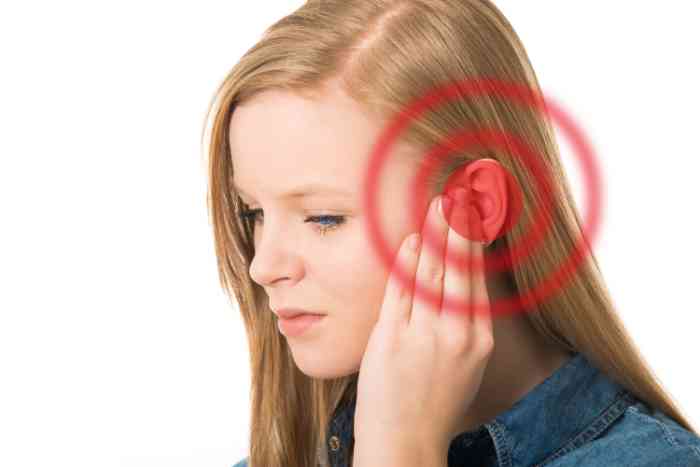
Betnesol ear drops — including combination products such as Betnesol-N eye, ear and nose drops — are topical corticosteroid medicines used to treat inflammation of the ear canal, often when there is also a risk of bacterial infection. They contain the steroid betamethasone, which reduces swelling, redness, itching and soreness, and in some formulations an antibiotic (neomycin) to help prevent or treat infection. These drops are prescribed for conditions like otitis externa, where local inflammation is present. Tinnitus or ears ringing is a symptom, not a specific inflammatory disease of the ear canal. It can arise from many causes, including age-related hearing loss, inner ear problems, noise exposure, earwax build-up, or middle ear conditions. Betnesol ear drops are not indicated for the treatment of tinnitus or ringing in the ears, because they act on inflammation in the outer ear and do not treat the underlying causes of tinnitus. There is no clinical evidence supporting the use of Betnesol ear drops specifically for this symptom. If you experience persistent tinnitus or ringing, it is important to consult a healthcare professional for proper evaluation. A clinician can identify possible causes and recommend appropriate treatment. Betnesol should only be used when prescribed for the specific ear condition it is intended to treat.

Betnesol nasal drops and spray: things to know

Betnesol nasal drops — and similar betamethasone formulations used for the nose — are prescription corticosteroid medicines used to reduce inflammation in the nasal passages. Betamethasone belongs to a class of medicines known as corticosteroids, which work by dampening the body’s inflammatory response to conditions such as allergic rhinitis, sinus irritation, or other causes of nasal swelling. These medicines are prescribed when there is significant inflammation and a doctor determines that steroid treatment is appropriate. Nasal steroid drops and sprays containing corticosteroids like betamethasone are intended for topical use in the nose and can help relieve symptoms such as nasal congestion, swelling, and irritation. They must be used exactly as prescribed by a healthcare professional. Although Betnesol is also known for ear and eye use, the same active ingredient can be used in the nasal area when inflammation is present and treatment is clinically indicated. Because corticosteroids can be absorbed even when applied locally, long-term or high-dose use should be monitored by a doctor to reduce the risk of systemic effects, such as adrenal suppression. Betnesol nasal drops should not be used without a prescription and only after a clinician has confirmed they are suitable for your nasal condition.

Ask our audiology expert about your hearing health

Betnesol eye drops: betamethasone ophtalmic drops

Betnesol eye drops contain the corticosteroid betamethasone, a topical medicine prescribed to treat short-term inflammatory eye conditions where reducing redness, swelling, itching and irritation is required. This preparation belongs to a class of medicines called corticosteroids, which calm the body’s inflammatory response in delicate tissues such as the eye. They are typically used only under the supervision of a clinician, often an eye specialist, and are not suitable for all types of eye problems.

When using betamethasone eye drops, the usual approach is to instil one or two drops every one to two hours until inflammation improves, then reduce the frequency as advised by a doctor. Proper technique — washing hands, tilting the head back, and avoiding contact between the dropper and the eye — helps ensure correct application.

Because corticosteroids can affect internal eye structures, Betnesol eye drops are not indicated for viral or fungal eye infections and must not be used without medical assessment. Conditions such as glaucoma or ulcers of the eye surface may worsen with steroid use. Common temporary effects after application include local irritation or blurred vision. More serious effects, such as increased eye pressure or cataract formation, may occur with prolonged or inappropriate use. Always follow your doctor’s instructions carefully.

Sign up for a free hearing health consultation! Check here
Sign up for a free consultation with a licensed hearing care professional today!

Betnesol eye, ear and nose drops: price in the UK

Betnesol eye, ear and nose drops are a prescription-only medicine (POM) containing the corticosteroid betamethasone. They are used to reduce inflammation of the eyes, ears or nose when clinically appropriate. In the UK, the price varies depending on where you obtain the product, with private online pharmacies and community pharmacies offering different pricing. Because Betnesol is not available over the counter, a valid prescription from a GP or qualified prescriber is required. Below is an overview of typical private UK prices:

Price Comparison for Betnesol Eye, Ear & Nose Drops (UK private)

Where to Buy

Product

Approx. Price (10 ml)

Online pharmacy (PharmacyPlanet)

Betnesol / Betnesol-N Drops

From ~£21.00 per bottle

Online pharmacy (HealthExpress, with consultation)

Betnesol-N Drops

From ~£18.99 per bottle

Community pharmacy (Weldricks)

Betnesol Ear, Eye & Nose Drops

From ~£3.98 per bottle

Pharmacy supplier (Baymed)

Betnesol Eye/Ear Drops

From ~£3.71 per bottle

Prices can differ because some listings reflect retail pharmacy pricing, others represent wholesale or stockist costs, and some include online consultation or delivery fees. Lower prices often reflect the medicine cost alone and still require a prescription. Always purchase from a UK-regulated pharmacy and confirm the final price and prescription requirements before ordering. A healthcare professional can advise if Betnesol is suitable for your condition.

Betnesol formats: tablets, drops and spray

Zoom on the ear of a red-haired man wearing a BTE hearing aid
Betnesol is a brand name associated with medicines that contain the corticosteroid betamethasone, a potent anti-inflammatory drug used in various clinical situations. Betamethasone can be formulated in different ways depending on the medical need. One recognised formulation is Betnesol eye, ear and nose drops. These are topical betamethasone drops used to treat local inflammation of the eye, ear or nose. In some products (often called Betnesol-N), the drops also include the antibiotic neomycin, which helps prevent or treat bacterial infection when clinically appropriate. These drops are applied externally and are available only with a prescription from a healthcare professional. In some countries outside the UK, betamethasone is also available in tablet form under names including Betnesol. These tablets contain betamethasone and are used under strict medical supervision as a systemic corticosteroid for conditions that require general anti-inflammatory treatment. Tablets act throughout the body and are different from topical drops. There is no widely recognised “Betnesol spray” format specifically marketed under that name in the UK. Nasal inflammation is usually treated with other corticosteroid nasal sprays that contain different active ingredients rather than the Betnesol brand. Each format — drops or tablets — has specific uses and should only be taken according to medical advice.

Can you buy Betnesol ear drops over the counter?

No, you cannot buy Betnesol ear drops over the counter in the UK. Medicines that contain betamethasone for the eyes, ears and nose — including Betnesol and Betnesol-N drops — are classified as Prescription Only Medicines (POMs). Under UK regulations, a POM can only be supplied with a valid prescription from a qualified prescriber, such as a GP, dentist or independent prescriber. Pharmacists cannot sell Betnesol drops over the counter like general pharmacy or retail medicines. Betnesol-N eye, ear and nose drops combine the corticosteroid betamethasone with the antibiotic neomycin and are used for inflammatory conditions when there may also be a risk of bacterial infection. Because these drops contain both a steroid and an antibiotic, they require medical assessment before use. This ensures the treatment is appropriate and helps reduce the risk of side effects or incorrect use. Even if you obtain the medicine through an online pharmacy, you still need a prescription. Some online services may offer a clinical consultation and issue a prescription if suitable, but this is not the same as buying the product without one. Always consult your doctor or pharmacist before using Betnesol ear drops to make sure they are safe and suitable for your condition.

Ask our audiology expert about your hearing health

Is Betnesol ear drops ideal for babies and kids?

Betnesol-N eye, ear and nose drops contain betamethasone, a corticosteroid that reduces inflammation, and in some formulations neomycin, an antibiotic used when bacterial infection is suspected. These drops are prescription-only and are used for inflammatory conditions of the ear canal under medical supervision. According to UK health guidance, betamethasone drops can be used in babies and children aged 1 month and older, but only when a doctor prescribes them and assesses the child’s condition. This applies to topical corticosteroid drops for the eyes, ears and nose.

However, there are important precautions for young children. Prolonged use of Betnesol-N in infants may affect the adrenal glands, because topical corticosteroids can be absorbed into the body, especially in very young patients. For this reason, treatment duration and dosing must be carefully controlled by a healthcare professional. Additionally, aminoglycoside antibiotics like neomycin carry a potential risk of ototoxicity (hearing damage) if used when the eardrum is perforated or the skin is damaged, which can be particularly concerning in children.

Can you use Betnesol ear drops during pregnancy?

Betnesol-N eye, ear and nose drops contain the corticosteroid betamethasone, often combined with the antibiotic neomycin in some formulations. These medicines are prescribed to reduce inflammation and treat suspected bacterial infections in the ears, eyes or nose. The safety of using Betnesol-N drops during pregnancy has not been clearly established in humans, and there is limited evidence regarding their safety for a developing baby. Product information states that use during pregnancy should be carefully considered by a healthcare professional. Because topical corticosteroids and aminoglycoside antibiotics such as neomycin may be absorbed into the body to some degree, there is a theoretical risk of systemic effects. Animal studies with corticosteroids have shown potential risks to development, so these medicines are generally used with caution during pregnancy. For this reason, Betnesol-N should not be used during pregnancy unless the potential benefit outweighs the potential risk. If treatment is necessary, a doctor will assess the clinical need and may recommend the lowest effective dose for the shortest possible time. Always speak to your GP, obstetrician or pharmacist if you are pregnant, think you may be pregnant, or are planning a pregnancy before using Betnesol ear drops. They can advise whether this medicine is appropriate or suggest safer alternatives.

Is Betnesol ear drops OK for dogs?

Betnesol-N eye, ear and nose drops are a human medicine that contains the corticosteroid betamethasone and, in combination formulations, the antibiotic neomycin. They are prescribed to reduce inflammation and treat suspected bacterial infection in the human ear canal when appropriate. Betnesol-N is not formulated or authorised for veterinary use in dogs, and its safety and effectiveness in animals have not been established for this product. Veterinary practice uses specialised medications that combine corticosteroids with antibiotics (and sometimes antifungals) specifically for dogs’ ears. These veterinary products — such as ointments or ear suspensions containing combinations like gentamicin with a corticosteroid (or antifungal combinations with betamethasone acetate) — are designed and tested for use in dogs’ ears under veterinary guidance. The ear anatomy, dosing, and drug sensitivities in dogs are different from humans, so medicines must be chosen and prescribed by a veterinarian. Using human Betnesol ear drops in a dog without veterinary direction is not recommended because wrong formulation, incorrect dosing or inappropriate ingredients can lead to harm. For example, some aminoglycoside antibiotics may pose ototoxicity risk if the eardrum is perforated, especially in animals. Veterinary medication for otitis externa in dogs should be prescribed and monitored by a vet, who will examine the ear, confirm the cause of inflammation or infection, and select the appropriate product.

Betnesol ear drops: reviews and opinions

Betnesol-N eye, ear and nose drops are a prescription medicine combining a corticosteroid (betamethasone) with an antibiotic (neomycin) to reduce inflammation and help prevent bacterial infection in the ear canal, eye or nose when clinically indicated. They are commonly prescribed for conditions such as otitis externa (outer ear inflammation) with suspected bacterial involvement. Patients report a range of experiences with this treatment. In general, many patients find that Betnesol-N drops help reduce redness, itching, swelling and discomfort relatively quickly when used as directed by a healthcare professional, especially for outer ear inflammation. Patient discussions often describe improvement in symptoms after treatment, with relief from irritation and soreness occurring within a few days of starting the drops. However, opinions vary, and some users report irritation or stinging when the drops are applied, particularly if the ear skin is very sensitive. Like all corticosteroid and antibiotic combinations, Betnesol-N can cause side effects such as local irritation, itching or burning. If these effects persist or become troublesome, medical advice should be sought. Healthcare professionals emphasise that Betnesol-N should be used only under medical supervision and that effectiveness and tolerability differ between individuals. Persistent symptoms or lack of improvement after 7–10 days should prompt a clinical review.
Sign up for a free hearing health consultation! Check here
Sign up for a free consultation with a licensed hearing care professional today!

Where can you buy Betnesol ear drops?

Betnesol ear drops — including combination products such as Betnesol-N eye, ear and nose drops — contain the corticosteroid betamethasone and, in some formulations, the antibiotic neomycin. In the UK and many other countries, Betnesol ear drops are classified as Prescription Only Medicines (POMs). This means you cannot legally buy them over the counter; a valid prescription from a qualified prescriber (for example, a GP, nurse prescriber or dentist) is required before a pharmacy can supply them. Once you have a prescription, you can obtain Betnesol ear drops from community pharmacies such as Boots, LloydsPharmacy, Well Pharmacy, independent high-street chemists, or supermarket pharmacies that dispense prescribed medicines. The pharmacist will dispense the medicine, check your prescription, and may provide advice on how to use it safely. You can also obtain Betnesol ear drops through registered online pharmacy services in the UK. Many online pharmacies offer a clinical consultation with a pharmacist or prescriber; if appropriate, they will issue a prescription and then post the drops to your address. Even in this case, a prescription is still required — the difference is that the consultation and dispensing happen entirely online. Always make sure you buy from a UK-regulated pharmacy and that the product supplied matches your prescription and the clinician’s instructions.

Legal category of Betnesol eye, ear and nose drops

Betnesol eye, ear and nose drops — including combination products such as Betnesol-N — are classified in the UK as Prescription Only Medicines (POMs). This legal category means the medicine can only be supplied with a valid prescription issued by a qualified healthcare professional, such as a GP, dentist, or independent prescriber. Betnesol formulations contain the corticosteroid betamethasone, and in some versions also the antibiotic neomycin. Because these ingredients include both a steroid and, in certain cases, an antibiotic, their use requires medical assessment. Corticosteroids can affect the immune response and may cause side effects if used incorrectly or for too long, while antibiotics must be used appropriately to avoid resistance or complications. For these reasons, the medicine is not suitable for general over-the-counter sale. As a POM, Betnesol cannot be purchased directly from a pharmacy shelf. Instead, a pharmacist may only dispense it after checking a prescription. The same rule applies whether you obtain it from a high-street pharmacy or a regulated online pharmacy service. This legal status helps ensure that Betnesol eye, ear and nose drops are used safely, for the correct diagnosis, and under proper professional supervision. Always follow your prescriber’s instructions regarding dose and duration of treatment.

Betnesol ear drops: alternatives to consider

Betnesol-N ear drops contain a corticosteroid (betamethasone) and an antibiotic (neomycin) and are commonly used to treat otitis externa, an inflammation of the outer ear canal where infection may be present. When Betnesol-N is unsuitable or unavailable, other licensed topical ear treatments may be considered by clinicians based on prescribing guidelines and clinical assessment.

  • One recognised alternative is Sofradex ear drops, which combine a corticosteroid (dexamethasone) with antibiotics (framycetin and gramicidin). This formulation helps reduce inflammation while also treating bacterial infection in the ear canal.
  • Another option used in practice includes ear drops containing hydrocortisone acetate with gentamicin. These preparations provide both anti-inflammatory and antibacterial effects, similar to Betnesol-N, but use different active ingredients.
  • For some patients, especially in milder cases, acidifying ear drops or sprays such as acetic acid may be recommended. These help restore the ear canal’s natural acidic environment and can reduce bacterial growth. They may be used alone or alongside other treatments depending on clinical need.

The choice of alternative depends on factors such as the severity of symptoms, suspected cause of infection, and whether the eardrum is intact. Because these medicines contain steroids and antibiotics, they should always be selected and prescribed by a healthcare professional.

Ask our audiology expert about your hearing health

Betamethasone ear and nasal drops: things to know

Betamethasone ear and nasal drops are prescription medicines that contain betamethasone, a corticosteroid used to reduce inflammation. Corticosteroids work by calming the body’s immune response, helping to relieve symptoms such as swelling, redness, itching and irritation in affected tissues. When used in the ear, betamethasone drops are prescribed for inflammatory conditions of the outer ear canal, such as otitis externa. They may be supplied alone or combined with an antibiotic, as in products like Betnesol-N, when there is a risk of bacterial infection.

The steroid helps reduce inflammation and discomfort, while the antibiotic treats or prevents infection when needed. In the nose, betamethasone drops are used to treat inflammation of the nasal lining. They may be prescribed for conditions such as allergic rhinitis or other causes of nasal swelling. By reducing inflammation, they can help relieve congestion and irritation.

Because these medicines contain a potent corticosteroid, they are classified as prescription-only and should be used exactly as directed by a healthcare professional. Prolonged or excessive use may increase the risk of side effects or systemic absorption. Betamethasone drops are not suitable for untreated viral or fungal infections. Always consult a doctor or pharmacist to ensure the treatment is appropriate for your symptoms.

Check your hearing health today!
Sign up for a free consultation with a licensed hearing care professional today!

Vistamethasone drops: what you need to know

Vistamethasone drops are a prescription medicine that contain betamethasone sodium phosphate, a corticosteroid used to treat inflammation of the eye. Corticosteroids work by reducing the body’s inflammatory response, helping to relieve redness, swelling, itching and irritation associated with certain eye conditions.

These drops are typically prescribed for short-term inflammatory eye disorders, such as allergic or non-infective inflammation of the surface of the eye, when a doctor determines that steroid treatment is appropriate. Vistamethasone does not treat bacterial, viral or fungal infections directly and should not be used if an untreated infection is present unless specifically advised by a healthcare professional. Because corticosteroids can affect the structures inside the eye, Vistamethasone is classified as a prescription-only medicine and must be used under medical supervision.

Prolonged or inappropriate use may increase the risk of side effects, including raised intraocular pressure, glaucoma, delayed healing, or cataract formation. For this reason, treatment duration is usually kept as short as possible. When applying the drops, proper hygiene and correct technique are important to avoid contamination. If symptoms do not improve or worsen, medical advice should be sought. Always follow your doctor’s instructions carefully when using Vistamethasone drops to ensure safe and effective treatment.

Schedule a free consultation: check your hearing health!
 If you’d like to know whether Oticon Intent is suitable for your level of hearing loss, sign up here for a free medical consultation. Take a free hearing test with our certified experts.

Betabioptal vs Betnesol ear drops

Betnesol ear drops are a corticosteroid preparation containing betamethasone and, in some formulations, the antibiotic neomycin. They are prescribed to reduce inflammation of the outer ear canal, such as in otitis externa. Betnesol works by calming redness, itching and swelling and may also help manage bacterial infection when an antibiotic is included. Betnesol products are licensed for use in the ear, eye and nose when inflammation is diagnosed.

Betabioptal, by contrast, is a different medicine. It is an ophthalmic (eye) preparation that combines a corticosteroid (betamethasone) with an antibiotic such as chloramphenicol. It is mainly indicated for inflammatory and bacterial eye conditions, including conjunctivitis and post-operative inflammation of the eye, where both anti-inflammatory and antibacterial effects are required. Betabioptal formulations are designed specifically for use in the eye and are not licensed as ear treatments.

In summary, Betnesol ear drops are used for inflammation of the ear canal and possible infection, while Betabioptal is intended for eye conditions only. Because they are formulated and licensed for different parts of the body, they are not interchangeable. A healthcare professional should always select the appropriate medicine based on the correct diagnosis.

Doctor fitting a headset on a patient
Sign up now and check your hearing health!
Sign up for a free consultation with a licensed hearing care professional today!

Betnovate cream vs Betnesol ear drops

Betnovate cream and Betnesol ear drops are both medicines that contain corticosteroids, but they are formulated for very different uses and parts of the body.

  • Betnovate cream contains betamethasone valerate, a corticosteroid used topically on the skin to reduce inflammation, redness, itching and irritation associated with certain dermatological conditions. It is prescribed for skin disorders such as eczema, dermatitis, psoriasis and other inflammatory rashes where steroid treatment is appropriate. Betnovate cream is designed to be applied to external skin surfaces and is not suitable for use in the ears, eyes, nose or mucous membranes.
  • Betnesol ear drops contain betamethasone sodium phosphate, a corticosteroid that reduces inflammation of the ear canal. In some products (often called Betnesol-N), the drops also include the antibiotic neomycin to help prevent or treat bacterial infection when clinically indicated. Betnesol ear drops are prescribed for conditions such as otitis externa (inflammation of the outer ear canal) and are formulated for otic use only.
  • In summary, Betnovate cream is a topical skin steroid cream used for inflammatory skin conditions, while Betnesol ear drops are a prescription ear treatment for inflammatory ear conditions, sometimes combined with an antibiotic. They are not interchangeable, and each should only be used as directed by a healthcare professional.

Neomycin cream and ear drops: things to know

Neomycin is a topical aminoglycoside antibiotic used to treat or prevent bacterial infections of the skin and outer ear. It works by stopping the growth of bacteria and is applied directly to the affected area, which helps target infection locally rather than systemically.

  • In creams or ointments, neomycin may be used alone or combined with other ingredients such as corticosteroids. These preparations are prescribed for infected or at-risk inflammatory skin conditions, including dermatitis, eczema, or minor cuts and wounds. The antibiotic helps control bacterial growth, while added steroids can reduce redness, swelling and itching when inflammation is present.
  • In ear drops, neomycin is commonly combined with a corticosteroid to treat otitis externa, an infection and inflammation of the outer ear canal. The steroid reduces inflammation and discomfort, while neomycin addresses bacterial infection. There are important precautions. Neomycin products should not be used in the ear if the eardrum is perforated, as aminoglycosides may carry a risk of ototoxicity if they enter the middle or inner ear. Some people may also develop allergic or contact skin reactions, including redness, itching or rash.
  • Neomycin medicines are typically prescription-only and should be used exactly as directed by a healthcare professional to ensure safe and effective treatment.

With you on your journey to better hearing.

It's time to finally treat your hearing loss. Sign up for a free consultation with a licensed hearing care professional today to determine if you have hearing loss. It’s the start of your journey towards better hearing.

EarPros benefits:

  • Free no obligation hearing test
  • best partner with more than 1,000 clinics globally

Please use a valid US zipcode.

Please use a valid zipcode.

Thank you for submitting your request

We will get in touch with you as soon as possible.

Related Articles:

Young girl covering her ear with her hand because of the pain

Hearing protection

Otex and Otex Express ear drops review

Read more
Girl wearing a hearing aid

Hearing protection

Ciloxan ear drops: uses and dosage

Read more
A man with a brown shirt looking towards us smiling

Hearing protection

Cilodex: Ciprofloxacin ear drops

Read more
Young girl covering her ear with her hand because of the pain

Hearing protection

Canesten ear drops

Read more
Protect your hearing health with a free consultation