Ciprofloxacin ear drops
Ciprofloxacin ear drops are often prescribed to target the infection directly and speed up recovery.
What are Ciprofloxacin ear drops?
Ciprofloxacin ear drops are a prescription antibiotic treatment used to manage bacterial ear infections. They contain ciprofloxacin, a fluoroquinolone antibiotic that works by killing or inhibiting the growth of bacteria responsible for infection in the ear canal or middle ear. These drops are commonly prescribed for conditions such as otitis externa (swimmer’s ear) and certain middle ear infections, particularly in patients with tympanostomy tubes.
In some cases, doctors may prescribe ciprofloxacin ophthalmic drops for ears when an otic formulation is not available, as the active ingredient and concentration can be clinically appropriate for ear use under medical guidance. There are also combination products, often referred to as ciprofloxacin hydrocortisone ear drops, which pair the antibiotic with a corticosteroid to help reduce inflammation, swelling, and itching while the infection is being treated. Always use ciprofloxacin ear drops only as directed by a healthcare professional.

What are Ciprofloxacin ear drops used for?
Ciprofloxacin ear drops are prescribed to treat bacterial ear infections, particularly conditions such as otitis externa, including swimmer’s ear, where inflammation, pain, and discharge are common. In many cases, doctors recommend a ciprofloxacin and dexamethasone combination, such as formulations containing ciprofloxacin 0.3% and dexamethasone 0.1%, to address both the infection and the associated inflammation at the same time.
They are also used safely in patients with ear tubes or a perforated eardrum, helping to reduce symptoms such as ear pain and temporary hearing loss caused by swelling or fluid buildup. While not intended to remove ear wax, they may be prescribed when infection occurs alongside wax accumulation. Overall, they are used to manage ear infections effectively and reduce symptoms before complications develop.
How Ciprofloxacin ear drops work
Ciprofloxacin ear drops work by targeting and killing the bacteria that cause ear infections. The active ingredient, ciprofloxacin, belongs to a class of antibiotics called fluoroquinolones, which interfere with bacterial DNA replication, preventing the bacteria from multiplying and allowing the body’s immune system to eliminate the infection. In combination formulations, such as ciprofloxacin and dexamethasone ear drops, the added corticosteroid helps reduce inflammation, swelling, and redness, providing relief from pain and discomfort. When applied directly into the ear canal or middle ear, the medication delivers high concentrations of the antibiotic exactly where it is needed, promoting faster recovery, reducing the risk of complications, and minimizing systemic side effects compared with oral antibiotics.
Ciprofloxacin ear drops: how many drops
Dosage for adults
Dosage for children
Dosage for infants
Can a sinus infection cause ear infection?
Ciprofloxacin ear drops are generally well tolerated, but like all medications, they may cause side effects in some patients. Most side effects are mild and temporary, but it’s important to be aware of them. Common side effects include:
- Itching or irritation in the ear canal
- Redness or swelling around the ear
- Temporary ear discomfort or burning sensation after application
- Unusual taste in the mouth if some drops reach the throat
- Dizziness or lightheadedness (rare)
- Temporary hearing changes due to infection-related fluid rather than the medication itself
Serious side effects are rare, but if symptoms such as severe pain, persistent discharge, or signs of an allergic reaction occur, contact a healthcare professional immediately. Always follow the prescribed dosage and duration to minimize side effects.
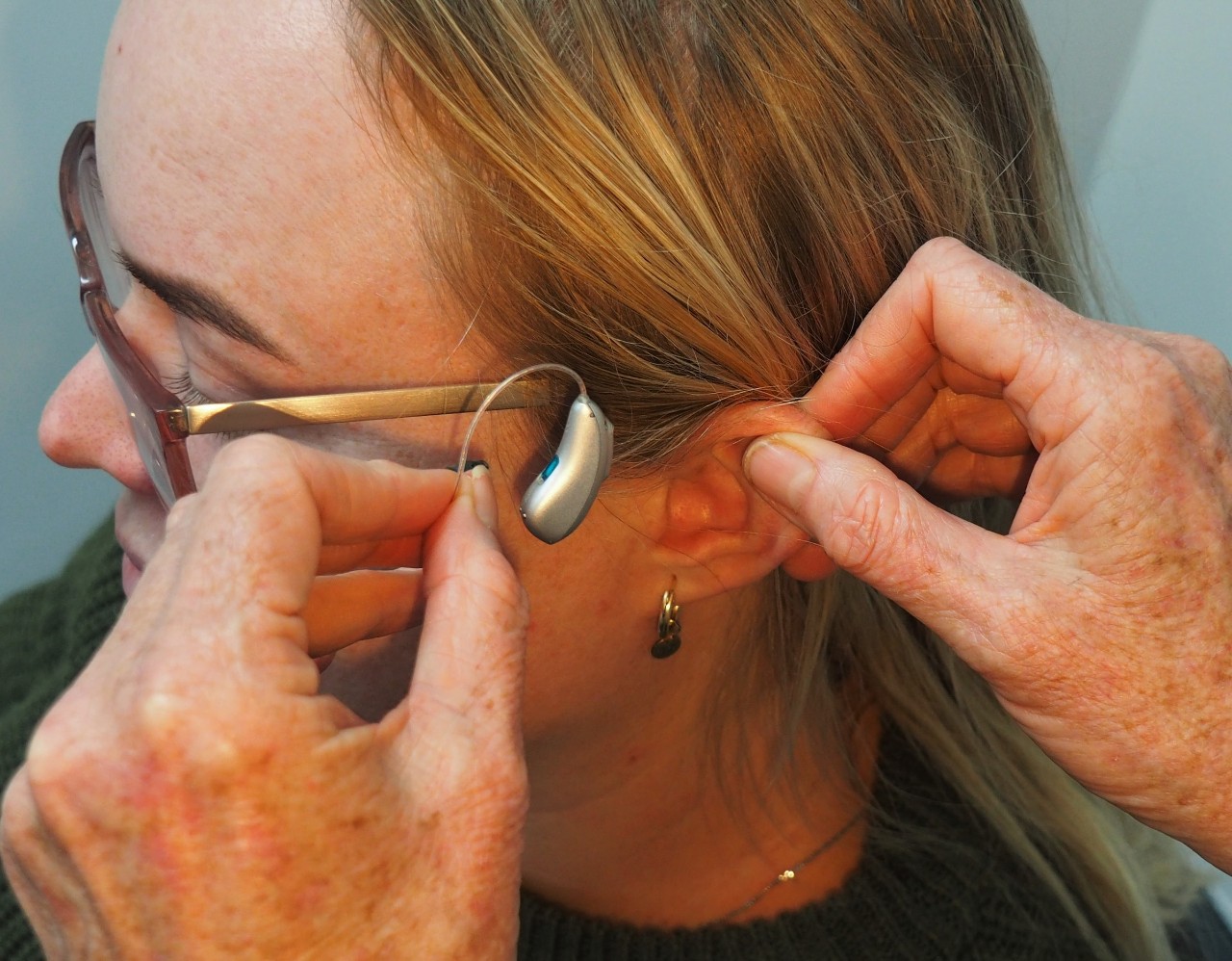
How to use Ciprofloxacin/Dexamethasone ear drops
Using ciprofloxacin and dexamethasone ear drops correctly ensures maximum effectiveness and faster relief. Follow these steps:
- Wash your hands thoroughly before handling the drops.
- Warm the bottle in your hands for a few minutes to prevent dizziness from cold drops.
- Tilt your head or lie on your side with the affected ear facing upward.
- Gently pull the ear lobe to straighten the ear canal.
- Instill the prescribed number of drops (usually 3–4 for adults or as directed for children and infants).
- Keep the ear tilted or stay lying down for 2–3 minutes to allow the medication to coat the ear canal.
- Avoid touching the dropper to the ear to prevent contamination.
- Repeat in the other ear only if instructed by your doctor.
Following these steps helps the drops reach the site of infection effectively, reduces inflammation, and minimizes discomfort. Always complete the full course, even if symptoms improve.
How long to leave Ciprofloxacin ear drops in ear?
Ciprofloxacin ear drops: how many times a day
Ciprofloxacin ear drops price and where to buy

Ofloxacin vs Ciprofloxacin ear drops
Both ofloxacin and ciprofloxacin ear drops are fluoroquinolone antibiotics used to treat bacterial ear infections, but there are subtle differences between them. Ofloxacin ear drops are often preferred for middle ear infections in patients with a perforated eardrum because they are safe and effective in the middle ear. Ciprofloxacin ear drops, sometimes combined with dexamethasone, are frequently used for outer ear infections (otitis externa) and can help reduce inflammation while treating the infection. The choice between the two depends on the type of infection, the patient’s age, ear condition, and doctor’s recommendation. Both medications are generally well tolerated, but following the prescribed dosing schedule and completing the full course is essential for effective treatment and to prevent bacterial resistance.
Are Ciprofloxacin ear drops safe?
Ciprofloxacin ear drops are generally considered safe when used as prescribed by a healthcare professional. They are effective for treating bacterial ear infections in adults, children, and infants, including patients with ear tubes or a perforated eardrum. Safety depends on following the recommended dosage, frequency, and duration of treatment. Some patients may experience mild side effects, such as ear irritation, itching, or temporary hearing changes, but serious reactions are rare. Ciprofloxacin drops should not be used for viral or fungal ear infections, and anyone with a history of allergic reactions to fluoroquinolones should avoid them. Pregnant or breastfeeding individuals should consult a doctor before use. Overall, when administered correctly, ciprofloxacin ear drops are a safe and effective option for managing bacterial ear infections.
How long do Ciprofloxacin ear drops take to work?
Ciprofloxacin ear drops usually start reducing symptoms within 24 to 48 hours of the first application, although the exact time can vary depending on the severity of the infection and the individual’s response to treatment. Pain, itching, and discharge often begin to improve quickly, but it is important to complete the full course of treatment, typically 7 days, to ensure the infection is fully eradicated and to prevent recurrence. Combination products, such as ciprofloxacin and dexamethasone ear drops, may also help reduce inflammation and discomfort faster, providing additional relief from swelling and ear pain. Even if symptoms improve early, continuing the prescribed regimen ensures the infection is thoroughly treated.

Alternative to ciprofloxacin ear drops
For patients who cannot use ciprofloxacin ear drops due to allergies, intolerance, or specific medical conditions, there are several alternatives. Ofloxacin ear drops are a common substitute, effective for both outer and middle ear infections. Other options include neomycin or polymyxin B-based ear drops, which target a range of bacterial infections, though they may not be suitable for patients with a perforated eardrum. In addition to antibiotic drops, doctors may recommend pain-relief measures, such as acetaminophen or ibuprofen, and ear cleaning or irrigation under medical supervision for impacted wax or debris. The choice of alternative depends on the type and severity of infection, age, and ear condition, so it’s important to consult a healthcare professional before switching treatments.
FAQs about Ciprofloxacin ear drops
Which is better Ofloxacin or Ciprofloxacin?
Can Ciprofloxacin ear drops cause diarrhea?
Can you drink alcohol while taking Ciprofloxacin?
Is Ciprofloxacin ear drops safe in pregnancy?
** Some images in this article were generated using artificial intelligence.