Perforated eardrum

What is a perforated eardrum?
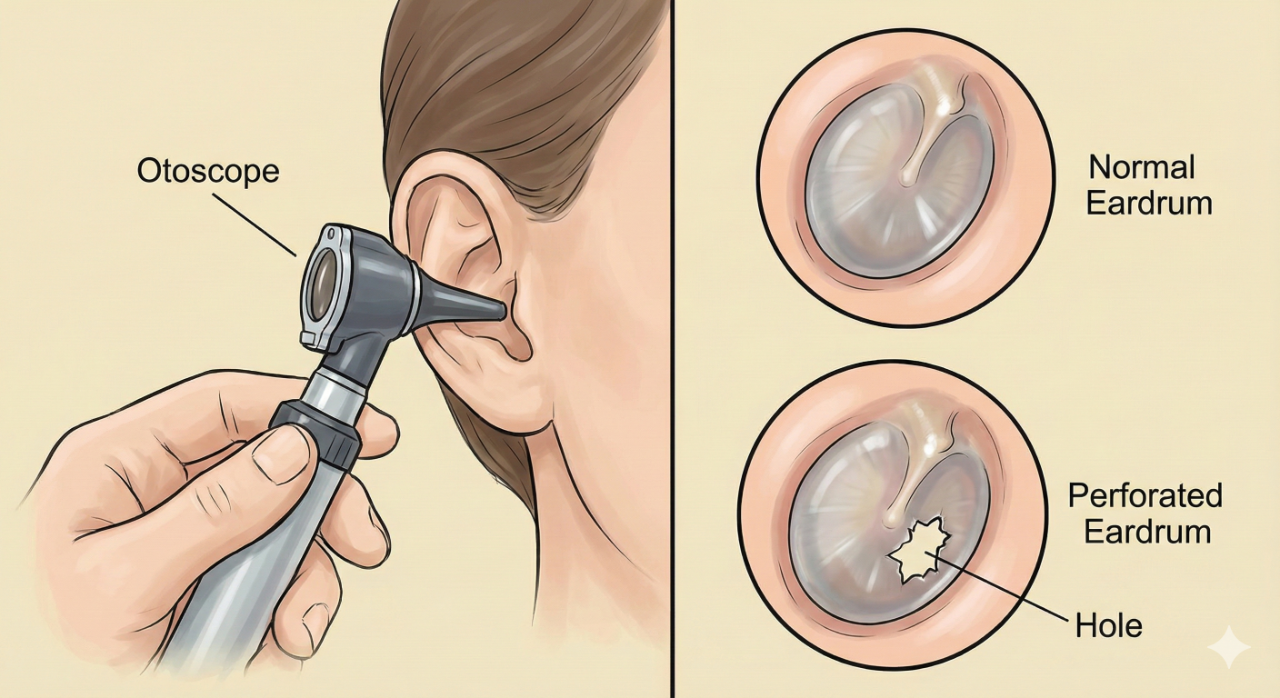
A perforated eardrum, also called a tympanic membrane perforation, is a small hole or tear in the thin tissue that separates the outer ear from the middle ear. This membrane plays a crucial role in hearing by vibrating in response to sound waves and protecting the middle ear from bacteria, water, and debris.
Difference between perforated and ruptured eardrum
Although the terms are often used interchangeably, there is a subtle difference between a perforated eardrum and a ruptured eardrum. A perforated eardrum refers to any small hole or tear in the tympanic membrane, which may occur gradually due to infection or minor trauma. A ruptured eardrum, on the other hand, usually describes a sudden, complete tear of the eardrum caused by acute trauma, loud noise, or severe pressure changes.
Signs and symptoms of a perforated eardrum
A perforated eardrum can present with various symptoms, and while pain is common, it can vary depending on the cause and size of the perforation. Typical signs include:
- Ear pain or discomfort – often sudden and sharp; some people may feel only mild irritation. Pain may subside quickly once the eardrum tears.
- Loss of hearing – sounds may seem muffled or quieter in the affected ear.
- Drainage from the ear – a perforated eardrum may cause discharge, such as fluid or pus, and sometimes bleeding from the middle ear.
- Tinnitus – ringing, buzzing, or humming sounds in the ear.
- Vertigo or dizziness – occasional imbalance or spinning sensations.
- Fullness or pressure in the ear – a clogged or blocked feeling.
Most people wonder: “Does a perforated eardrum hurt?” The answer is yes, there is usually pain at the time of injury or infection, but it often decreases once the eardrum has torn, even though other symptoms like hearing loss may persist.
Can you hear with a perforated eardrum?
Yes, you can still hear with a perforated eardrum, but hearing is often affected depending on the size and location of the perforation. Small tears may cause only mild muffling, while larger perforations can result in noticeable hearing loss or difficulty understanding speech.
In addition to hearing changes, some people may experience ringing (tinnitus) or a sense of fullness in the ear. Most hearing loss caused by a perforated eardrum is temporary and improves as the eardrum heals, but persistent or severe perforations may require medical treatment or surgical repair to fully restore hearing function.
Causes of a perforated eardrum
- Middle ear infections (otitis media) – infection can build pressure behind the eardrum, causing it to rupture.
- Barotrauma – sudden changes in air or water pressure, such as during flying, scuba diving, or rapid altitude changes, can tear the eardrum.
- Loud noises or acoustic trauma – explosions, concerts, or other very loud sounds can cause a rupture.
- Physical injury or trauma – inserting objects like cotton swabs, hairpins, or accidental hits to the ear.
- Head trauma or skull fractures – severe injuries can damage the eardrum directly or indirectly.
- Sudden changes from sneezing or blowing the nose – rare but possible if pressure in the ear increases rapidly.
Do eardrum perforations heal?
Many people wonder if a perforated eardrum can heal on its own. Small perforations often do, especially when caused by minor infections or mild trauma, and may close naturally within a few weeks while the ear is kept clean and protected. However, larger or persistent perforations may not heal without intervention. In these cases, a perforated eardrum can be repaired using medical procedures such as eardrum patching or surgical repair (tympanoplasty) to restore the membrane and improve hearing.
Perforated eardrum healing stages
Stage 1: Inflammation & initial closure
Immediately after a perforation, the body responds with mild inflammation to protect the middle ear. The edges of the tear may start to regenerate, and symptoms such as pain or slight drainage may appear. This stage prepares the eardrum for tissue growth.
Stage 2: Tissue growth & sealing
In this stage, new tissue gradually covers the perforation, reducing the hole’s size. Pain often decreases, and hearing may start to improve as the eardrum slowly regains its function. Proper care, like keeping the ear dry and avoiding sudden pressure changes, is crucial for effective healing.
Stage 3: Strengthening & remodeling
Once the perforation is closed, the eardrum strengthens and remodels, restoring most of its normal structure and function. This final stage ensures the membrane is resilient and protects the middle ear from infections or further injury.
How long will a perforated eardrum leak?
A perforated eardrum may cause ear drainage, which can include fluid, pus, or blood. The duration of leaking depends on the size of the perforation and its cause. In small perforations, drainage often stops within a few days to a week as the eardrum begins to heal. Larger or infection-related perforations may continue to leak for several weeks until the inflammation resolves or the eardrum is repaired. It is important to keep the ear clean and dry during this time and avoid inserting objects into the ear. Persistent or worsening drainage should prompt a visit to a healthcare professional, as medical treatment may be necessary to prevent complications such as chronic infection or delayed healing.
Treatments for a perforated eardrum
Medications
Surgery
Home remedies
Perforated eardrum heal time
The recovery time for a perforated eardrum depends on the size of the perforation and its underlying cause. Small perforations caused by minor infections or trauma often heal naturally within 2 to 8 weeks, while larger or chronic perforations may require medical intervention such as eardrum patching or surgery, which can extend the recovery period.
Should I take time off work with a perforated eardrum?
Whether you need to take time off work with a perforated eardrum depends on the severity of your symptoms and the nature of your job. Mild cases with minimal pain and no active infection may allow you to continue working, especially if your work does not involve heavy lifting, sudden pressure changes, or exposure to water. However, if you experience significant pain, dizziness, drainage, or hearing difficulties, taking time off can help you rest and prevent complications. Jobs that involve air travel, swimming, or high-risk environments may require temporary leave until the eardrum heals.
How do you know if you have a perforated eardrum?
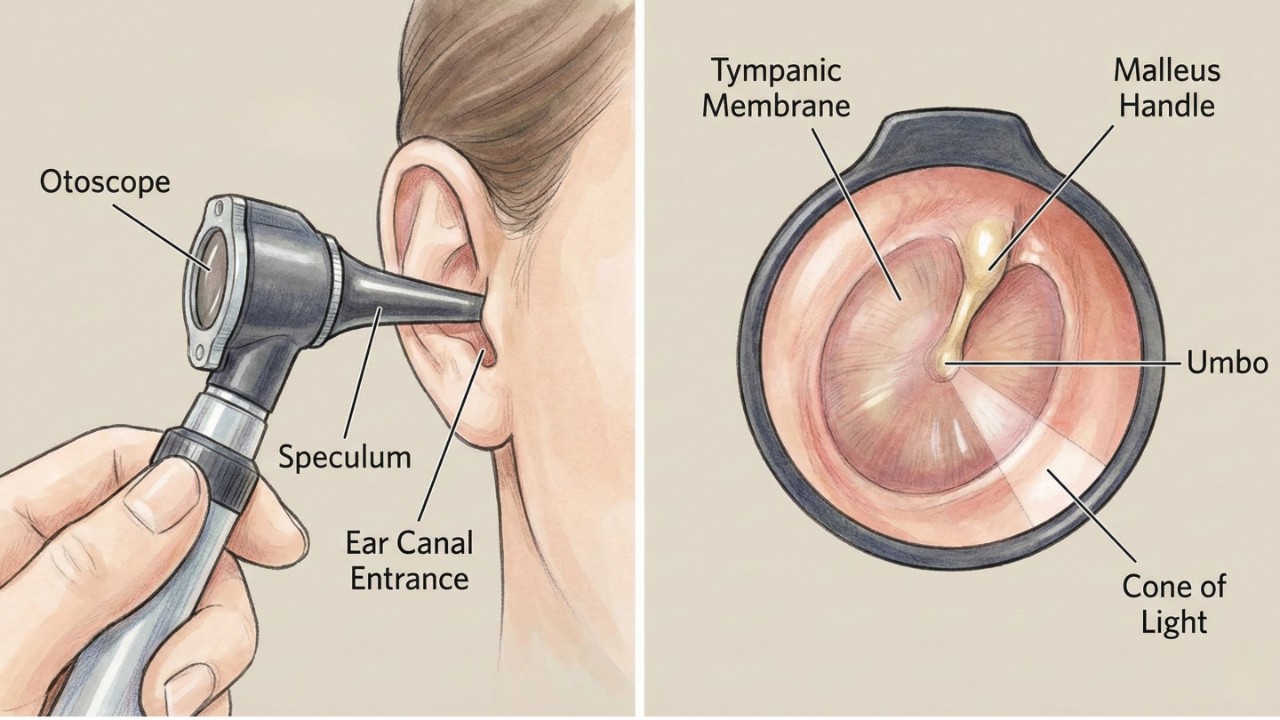
If you suspect a perforated eardrum, certain symptoms and diagnostic tests can help confirm it. Common signs include sudden ear pain, drainage, ringing, or hearing loss. To diagnose the condition, specialists such as an ENT (ear, nose, and throat) doctor use an otoscope to visually examine the eardrum for tears or holes. Additional tests, like a tympanogram, measure eardrum movement and middle ear function to assess the extent of the perforation. For medical coding and documentation, perforated eardrums are classified under ICD-10 codes for accurate diagnosis and treatment planning. Prompt evaluation by a specialist ensures proper care and prevents complications.

How to sleep with a perforated eardrum?
Sleeping with a perforated eardrum can be uncomfortable, but proper precautions can help reduce pain and protect the ear. It is recommended to sleep with the affected ear facing upward to avoid fluid buildup and pressure. Keeping the ear dry and covered with a soft cotton ball or medical earplug can help prevent water or debris from entering the ear while you sleep. Avoid sleeping in humid environments or using ear drops immediately before bed unless prescribed by your doctor. Maintaining a comfortable sleeping position and using mild pain relief if needed can improve rest while the eardrum heals.
Complications of a perforated eardrum
Although many perforated eardrums heal naturally, complications can occur if left untreated or exposed to repeated infections:
- Chronic ear infections – recurring infections can damage the middle ear.
- Persistent drainage – fluid, pus, or blood may continue leaking from the ear.
- Hearing loss – temporary or, in severe cases, permanent hearing impairment.
- Middle ear damage or mastoiditis – rare but serious infection spreading to surrounding structures.
- Balance problems or dizziness – due to disruption of the inner ear.
- Weakened eardrum – repeated perforations may increase the risk of future tears, sometimes requiring surgical repair.
Living with a perforated eardrum
Living with a perforated eardrum requires careful ear protection and lifestyle adjustments to prevent infection and promote healing. It’s important to keep the ear dry, avoid inserting objects, and protect it from sudden pressure changes, such as during flying or diving. Regular check-ups with a specialist help monitor healing and prevent complications. With proper precautions, most individuals can maintain normal activities, manage symptoms, and recover fully, sometimes with the help of medical treatment or surgical repair if needed.
FAQs about a perforated eadrum
Can you fly, drive & swim with perforated eardrum?
What happens if you get water in the perforation?
Which ear drops are safe for perforated eardrum?
Can a perforated eardrum cause deafness?
Is perforated eardrum serious and dangerous?
Can an ear infection cause perforated eardrum?
Can I wear earplugs with a perforated eardrum?
** Some images in this article were generated using artificial intelligence.