Philips Hearing Aids Reviews
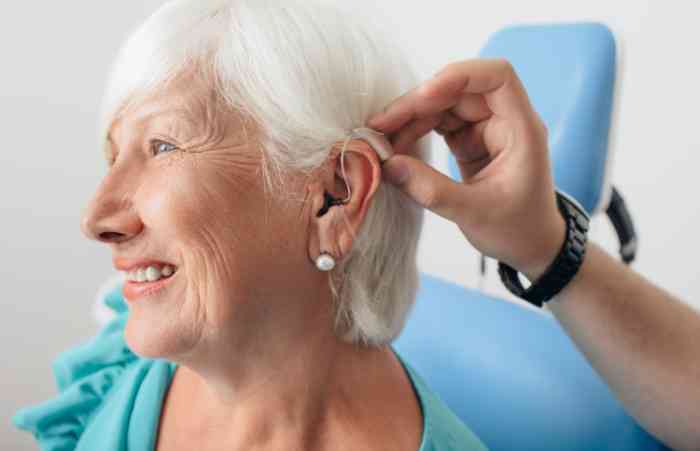
Philips has developed its hearing aid portfolio with a clear goal: improving everyday listening through advanced yet user-friendly technology. The brand offers a wide range of solutions, from discreet in-ear devices to more powerful behind-the-ear models, designed to support different levels of hearing loss and lifestyle needs.
Across the entire lineup, Philips focuses on three key elements: natural sound quality, long-term comfort, and intelligent features that adapt to real-life environments. This approach allows users to experience clearer speech, reduced listening effort, and greater confidence in daily interactions.
How the Philips HearLink Range Is Structured
The Philips HearLink range is not organized as a simple list of models. Instead, it follows a two-level structure based on:
- Technology platforms (e.g., 9030, 9040, 9050)
- Performance levels (9000, 7000, 5000, 3000)
Technology Platforms
Each technology platform represents a generation of Philips sound-processing technology. Newer platforms, such as the 9050, introduce more advanced capabilities, including:
- Improved speech clarity
- Smarter noise management
- Enhanced environmental adaptation
Performance Levels
Performance levels determine how much of that technology is available.
Higher tiers offer:
- More precise sound adjustments
- Better performance in noisy environments
- Greater personalization
Lower tiers provide essential features suited to everyday listening needs.

Example of model combination
Full Model Name | Technology Platform | Performance Level | Best For |
|---|---|---|---|
| Philips HearLink 9050 9000 |
9050 (latest) |
Premium |
Maximum performance, complex environments |
| Philips HearLink 9050 7000 |
9050 (latest) |
Advanced |
High performance at lower cost |
| Philips HearLink 9040 5000 |
9040 |
Mid-range |
Balanced everyday use |
| Philips HearLink 9030 3000 |
9030 |
Entry-level |
Simpler listening needs |
Sound Processing System in Philips HearLink
At the core of Philips HearLink hearing aids is an advanced sound processing system designed to:
- Improve speech clarity
- Reduce background noise
Instead of simply amplifying all sounds, the system:
- Prioritizes speech
- Adapts dynamically to the surrounding environment
This allows users to:
- Follow conversations more easily
- Remain aware of surrounding sounds
Newer platforms further enhance this with:
- Smarter environmental detection
- Smoother transitions between listening situations
Advanced Features in Philips HearLink Hearing Aids
AI-Based Sound Processing
Recent HearLink models make extensive use of artificial intelligence to analyze and interpret sound environments in real time. Instead of treating all sounds equally, the system continuously identifies patterns—such as speech, background noise, and sudden sounds—and adjusts processing accordingly.
This allows the hearing aids to prioritize conversations while minimizing unwanted noise, even in dynamic environments. As a result, users experience clearer speech and a more balanced soundscape, with significantly reduced listening effort throughout the day.
Speech Clarity in Noise
Newer HearLink platforms are specifically engineered to improve speech understanding in noisy environments, which are typically the most challenging listening situations for hearing aid users.
By combining directional microphones with intelligent sound processing, the devices can focus more precisely on voices while reducing competing background noise.
This makes it easier to follow conversations in places such as restaurants, social gatherings, or busy streets, where multiple sound sources are present simultaneously.
Noise Management (SoundProtect)
SoundProtect is designed to address specific types of disruptive noise that can negatively impact listening comfort. Unlike general noise reduction systems, it targets sudden or irregular sounds such as wind, handling noise, and sharp environmental disturbances.
By detecting and attenuating these noises in real time, SoundProtect helps maintain a more stable and pleasant listening experience, particularly in outdoor or unpredictable environments.
Connectivity and Streaming
Latest HearLink models offer enhanced wireless connectivity, allowing users to stream audio directly from compatible devices such as smartphones and TVs.
With improved Bluetooth technology, including support for newer standards, streaming becomes more stable, energy-efficient, and higher in quality.
This enables users to enjoy phone calls, music, and other media with greater clarity, effectively turning the hearing aids into multifunctional audio devices.
Rechargeable Technology
Modern HearLink devices increasingly feature rechargeable lithium-ion batteries, eliminating the need for disposable batteries and simplifying daily use.
Users can conveniently charge their hearing aids overnight and rely on them throughout the day, even with active features such as streaming.
This not only improves ease of use but also enhances reliability and reduces maintenance, making the devices more practical for everyday life.
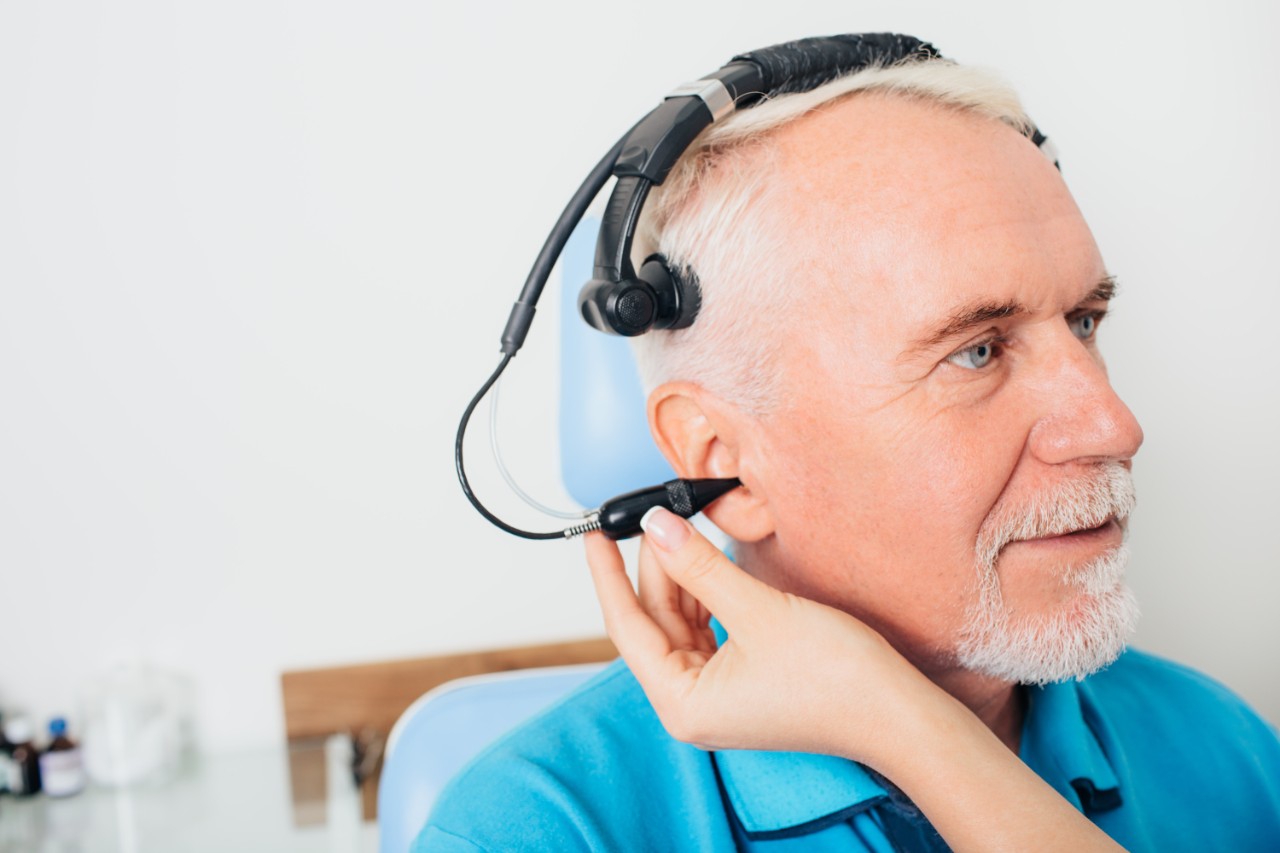
Philips hearlink 9050 hearing aids
The Philips HearLink 9050 represents the most advanced generation in the HearLink range. It introduces a more intelligent and adaptive approach to hearing, where the device continuously adjusts based on both the environment and the user’s activity.
Compared to previous models, the 9050 delivers clearer speech, improved sound balance, and a more natural listening experience, especially in complex and dynamic environments.
Advanced features in philips hearlink 9050
The Philips HearLink 9050 represents the most advanced generation within the HearLink range, introducing a new level of intelligent sound processing and connectivity.
Compared to previous platforms, it incorporates several innovations designed to improve speech clarity, environmental awareness, and overall listening comfort in complex, real-world situations.
Bluetooth LE Audio
Connectivity is a key strength of the Philips HearLink 9050 hearing aid, thanks to the introduction of Bluetooth LE Audio. This next-generation standard enables more efficient streaming and improved sound quality.
In addition, Philips HearLink 9050 phone compatibility has been expanded, allowing seamless connection with a wide range of modern smartphones for calls, music, and media streaming.
Sound Processing
The HearLink 9050 is built on an enhanced sound processing architecture, often referred to as SoundMap 3. This system improves how sound is analyzed and balanced in real time, delivering clearer speech while maintaining the richness of surrounding sounds.
Compared to previous generations, it provides smoother transitions between listening environments and reduces listening effort throughout the day.
Enhanced directionality
The HearLink 9050 improves spatial awareness by enhancing how sounds are perceived from different directions.
Advanced directionality systems allow users to better distinguish where sounds are coming from, contributing to clearer speech understanding and a more immersive listening experience, especially in complex or crowded environments.
Hearlink 2 App control
The integration with the Philips HearLink 2 app—a free smartphone application compatible with both iOS and Android devices—allows users to easily manage and personalize their listening experience.
Through the app, users can adjust volume, switch between programs, and fine-tune settings according to their environment.
The Philips hearing aid app also enables remote support from hearing care professionals, making adjustments more accessible and convenient.
Motion-Aware Listening
One of the most significant innovations in the Philips HearLink 9050 is the integration of motion sensors, which enable the hearing aids to adapt sound processing based on the user’s activity.
By detecting whether the user is stationary or moving, the system dynamically adjusts microphone directionality and noise management.
This allows for a more natural listening experience, where environmental awareness is preserved during movement while speech is prioritized in conversations.
Rechargeable system
The HearLink 9050 is designed with a built-in rechargeable battery, eliminating the need for disposable batteries.
Users can simply place the devices in the charger overnight to ensure a full day of use. The system also supports fast charging, providing several hours of use with a short charge.
Accessories such as the HearLink 9050 Charger Plus offer added convenience, as they are portable and may include a built-in power bank, making them particularly useful for travel or extended use without direct access to a power source.

Philips HearLink Models Comparison
Model | Platform | Performance Level | Key Features | Connectivity | Battery Type | Best For |
|---|---|---|---|---|---|---|
| Philips HearLink 9050 9000 |
9050 |
Premium |
AI sound processing, motion sensors, SoundMap 3, advanced directionality |
Bluetooth LE Audio |
Rechargeable |
Maximum performance, complex environments |
| Philips HearLink 9050 7000 |
9050 |
Advanced |
AI processing, improved noise reduction, adaptive sound |
Bluetooth LE Audio |
Rechargeable |
High performance at lower cost |
| Philips HearLink 9040 9000 |
9040 |
Premium |
SoundProtect, advanced speech clarity, adaptive processing |
Bluetooth (classic + low energy) |
Rechargeable / battery |
Strong performance, slightly older tech |
| Philips HearLink 9040 5000 |
9040 |
Mid-range |
Good noise reduction, basic adaptive features |
Bluetooth |
Rechargeable / battery |
Balanced option |
| Philips HearLink 9030 7000 |
9030 |
Advanced |
Solid sound processing, standard noise management |
Bluetooth |
Battery / rechargeable |
Reliable everyday use |
| Philips HearLink 9030 3000 |
9030 |
Entry-level |
Basic features, essential amplification |
Limited connectivity |
Battery |
Simpler listening needs |
Types of Philips Hearing Aids
Philips offers a wide range of hearing aid models designed to accommodate different levels of hearing loss, lifestyle needs, and personal preferences.
Across the HearLink range, each technology platform (such as 9030, 9040, and 9050) and performance level (3000, 5000, 7000, and 9000) is available in multiple form factors.
This means that users can choose not only the level of technology, but also the physical design that best fits their comfort and lifestyle.
Behind-the-Ear (BTE) hearing aids
Behind-the-Ear (BTE) hearing aids are among the most versatile and powerful options available. These devices sit behind the ear and connect to an earmold or dome inside the ear canal.
Philips offers several BTE variations, including miniBTE models for greater discretion and power BTE versions designed for more severe hearing loss. Thanks to their larger size, BTE devices can accommodate stronger amplification, longer battery life, and a wider range of advanced features.
They are particularly suitable for users who prioritize performance and reliability over aesthetics.
Receiver-in-the-Ear (RITE / RIC) hearing aids
Receiver-in-the-Ear (RITE), also known as Receiver-in-Canal (RIC), is currently the most common format in the Philips HearLink range.
These devices consist of a small unit behind the ear connected to a receiver placed inside the ear canal. This design offers an excellent balance between discretion, comfort, and sound quality.
RIC models are suitable for a wide range of hearing loss levels and typically support the latest technologies, including wireless connectivity and rechargeable batteries. For most users, this is the preferred option, as it combines advanced performance with a discreet design.
Open-fit hearing aids
Open-fit hearing aids are a variation of RIC or BTE models designed to leave the ear canal partially open.
This design allows natural sound to enter the ear alongside amplified sound, creating a more natural and less occluded listening experience.
Open-fit solutions are particularly suitable for individuals with mild to moderate high-frequency hearing loss and are often recommended for first-time users due to their comfort.
In-the-Ear (ITE) hearing aids
In-the-Ear (ITE) hearing aids are custom-made devices that fit directly within the outer ear. Philips offers different sizes, including full-shell and half-shell models, depending on the level of discretion and functionality required.
These devices are easier to handle than smaller in-canal options and can accommodate more features due to their larger size.
They are typically recommended for users with mild to moderate hearing loss who prefer a device that is both discreet and easy to manage.
In-the-Canal (ITC) hearing aids
In-the-Canal (ITC) hearing aids are smaller than ITE models and fit partially inside the ear canal, making them less visible.
They offer a good compromise between discretion and functionality, providing more features than smaller models while maintaining a relatively compact size.
ITC devices are suitable for mild to moderate hearing loss and are often chosen by users looking for a balance between aesthetics and performance.
Completely-in-Canal (CIC) hearing aids
Completely-in-Canal (CIC) hearing aids are designed to fit deeper inside the ear canal, making them highly discreet and difficult to notice.
While they offer clear cosmetic advantages, their smaller size limits battery capacity and the availability of advanced features.
They are best suited for users with mild to moderate hearing loss who prioritize invisibility over functionality.
Invisible-in-Canal (IIC) hearing aids
Invisible-in-Canal (IIC) hearing aids are the smallest and most discreet devices available, fitting deeply within the ear canal and remaining virtually invisible.
However, due to their size, they offer fewer features and less power compared to larger models.
They are typically recommended for users with mild hearing loss who place a high value on aesthetics and minimal visibility.
Philips hearlink hearing aid accessories
The range of Philips HearLink hearing aid accessories is designed to enhance everyday listening, improve connectivity, and ensure proper maintenance of the devices.
These accessories help users maximize performance, comfort, and convenience in different listening environments.
Connectivity and Audio Accessories
Philips AudioClip
The Philips AudioClip functions as a remote microphone, allowing users to hear speech more clearly in noisy environments or from a distance.
The speaker can simply place the device near their mouth, and the sound is transmitted directly to the hearing aids.
Easy LE Adapter
The Easy LE Adapter connects to USB-C Android devices that do not support Bluetooth LE Audio.
It enables high-quality audio streaming and hands-free calling directly to compatible HearLink hearing aids.
Philips hearlink TV Adapter
The Philips TV Adapter streams audio directly from the television to compatible HearLink hearing aids, delivering clear and synchronized sound without background noise.
This allows users to watch TV at a comfortable volume without affecting others in the room. The audio is transmitted wirelessly with minimal delay, ensuring proper lip-sync and a more immersive viewing experience.
Charging Solutions
Standard Charger
The standard charger provides a full day of battery life in approximately one hour.
A quick 15-minute charge delivers up to four hours of use, making it practical for daily routines.
Charger Plus
The Charger Plus combines fast charging with portability.
It also functions as a protective case and includes a built-in power bank capable of delivering up to three full charges for two hearing aids without needing a power outlet.
Control and Personalization Tools
Remote control
HearLink 2 App
The HearLink 2 app allows users to customize their hearing experience.
Features include volume adjustment, program switching, muting, sound personalization, and access to remote support from hearing care professionals.
Maintenance and Care Accessories
MultiTool
Replaceable Components
Regular maintenance involves replacing parts such as:
- Earpiece domes
- Grip Tips
- Thin tubes
- Hearing aid batteries
- Wax filters
These components should ideally be sourced through a hearing care professional to ensure proper compatibility and performance.
Philips products and models
Philips’ hearing aid portfolio caters to a wide range of user needs, from premium sound processing and AI-driven personalization to user-friendly designs for first-time users.
Each model is designed with specific user scenarios in mind, offering a variety of connectivity options, battery life solutions, and unique features such as wind noise management or discreet, stylish designs.
The inclusion of rechargeable options and compatibility with a wide range of devices highlights Philips’ commitment to convenience and modern listening experiences, as seen in models such as Philips HearLink 9000, Philips HearLink 7000, Philips HearLink 5000, and Philips HearLink MiniRITE T R.
Model | Key Features | Ideal For | Connectivity | Battery Life | Additional Notes |
|---|---|---|---|---|---|
| Philips HearLink 9000 |
Advanced sound processing, AI-driven personalization |
Individuals seeking premium sound quality in diverse environments |
Bluetooth, direct streaming from iOS and Android devices |
Rechargeable, up to 24 hours per charge |
Features SoundMap Noise technology for superior noise management |
| Philips HearLink 7000 |
Adaptive noise reduction, wind noise management |
Active users needing robust performance outdoors |
Wireless accessories, smartphone connectivity |
Rechargeable and disposable battery options |
Wind Guard technology enhances comfort in outdoor settings |
| Philips HearLink 5000 |
Speech clarity in noise, easy volume control |
First-time users looking for simplicity and effectiveness |
Compatible with Philips Audio Accessories |
Disposable batteries |
User-friendly design with intuitive features for everyday use |
| Philips HearLink MiniRITE T R |
Discreet design, Telecoil included |
Users valuing aesthetics without sacrificing functionality |
Bluetooth streaming, Telecoil connectivity |
Rechargeable, up to 20 hours with streaming |
Ultra-compact and stylish, with easy tap control for streaming and calls |
The latest technology: Philips 9050 hearing aids
The Philips HearLink 9050 represents the latest generation in the Philips hearing aid lineup. Introduced more recently as an evolution of the 9040 platform, these devices incorporate next-generation AI-driven sound processing designed to further enhance speech clarity and environmental awareness.
Positioned as premium hearing aids, they are suitable for a wide range of hearing loss, from mild to severe-to-profound.
The HearLink 9050 models focus on delivering more precise noise reduction and improved sound balance, helping users experience more natural conversations and a smoother listening experience throughout the day.
Philips 9050 models and styles
The 9050 models are available in a range of styles, including miniRITE T, miniRITE T R (rechargeable), miniBTE T, and miniBTE T R (rechargeable). The rechargeable versions provide a full day of hearing on a single charge, with fast-charging capabilities for added convenience.
These devices feature an IP68 rating for dust and moisture resistance, multiple listening programs, and a variety of color options designed to suit different preferences, including discreet and modern finishes.
HearLink 9050 review and main features
The HearLink 9050 builds on previous models by introducing more advanced sound processing and personalization features. These include an updated version of Philips’ sound processing system for improved speech understanding, enhanced adaptive noise reduction, and smarter environmental detection.
Additional features focus on delivering a more intuitive user experience, with better automatic adjustments across different listening situations and improved overall sound comfort.
Philips HearLink 9050 hearing aids prices
The Philips HearLink 9050 hearing aids are positioned in the premium segment, with pricing typically varying depending on the provider and included services. In many cases, the price includes a pair of hearing aids, charging solutions for rechargeable models, and professional support services such as fitting and follow-up adjustments.
Compared to similar high-end hearing aids, the 9050 offers strong value, especially when bundled with warranty coverage and trial periods provided by hearing care centers.
Features and technology used in Philips hearing aids
Philips hearing aids are equipped with cutting-edge features and advanced technology to deliver optimal auditory experiences and address the diverse needs of users.
The integration of HearLink technology, adaptive sound processing, and comprehensive connectivity options sets Philips apart as an industry leader in hearing aid innovation.
Hearlink technology
Philips hearing aids utilize adaptive sound processing algorithms to dynamically adjust to changing acoustic environments, optimizing speech intelligibility and reducing background noise.
This feature enhances user comfort and communication clarity in challenging listening situations.
Adaptive sound processing
Philips hearing aids utilize adaptive sound processing algorithms to dynamically adjust to changing acoustic environments, optimizing speech intelligibility and reducing background noise.
This feature enhances user comfort and communication clarity in challenging listening situations.
Connectivity options
Philips offers a range of connectivity options, including wireless connectivity to compatible devices such as smartphones, televisions, and audio accessories.
This connectivity empowers users to personalize their hearing experience, stream audio content, and remotely control their hearing aids for maximum convenience.
Pros and cons of Philips hearing aids
Pros
Philips hearing aids are designed to deliver a balanced combination of sound quality, comfort, and modern connectivity features. Thanks to their advanced technology and user-friendly design, they offer several advantages that can significantly improve the overall hearing experience in everyday situations.
- Clear and natural sound quality in a variety of listening environments
- Advanced noise reduction and speech enhancement features
- Reliable Bluetooth connectivity for streaming calls, music, and media
- Compatibility with smartphones and dedicated apps for easy control
- Rechargeable battery options with convenient charging solutions
- Comfortable and discreet designs suitable for daily wear
- Customizable settings tailored to individual hearing needs
- Good value for money compared to other premium hearing aid brands
- Regular software updates that improve performance and functionality
- Support from hearing care professionals for fitting and adjustments
Cons
Despite these strengths, there are also some problems with Philips hearing aids that users may encounter over time. These issues are generally related to maintenance, connectivity, or fit rather than major defects, but they can still affect usability and overall satisfaction if not properly addressed.
- Sound quality can sometimes be weak, distorted, or intermittent
- Bluetooth connectivity may be unstable or difficult to set up
- Pairing issues with smartphones or apps can occur
- Only one hearing aid may connect at times
- Battery and charging problems may arise, especially in rechargeable models
- Devices may fail to turn on or charge correctly
- Fit and comfort may not always be ideal
- Poor fit can cause whistling (feedback) or reduced performance
- Adjustments often require an audiologist
- The app may not detect both devices or sync properly
- Software issues may require updates or re-pairing
- Regular maintenance and troubleshooting are often necessary

Philips hearing aids comparison with other brands
Philips hearing aids are often compared with other leading brands to help users better understand their positioning in terms of technology, performance, and overall value. While many manufacturers offer advanced solutions, each brand tends to focus on specific strengths, such as sound processing, connectivity, innovation, or affordability.
Comparing Philips HearLink devices with competitors like Phonak, Oticon, Signia, and others allows users to identify which features matter most for their individual needs.
The following sections provide a detailed overview of how Philips hearing aids compare across key areas, including sound quality, usability, and technological innovation.
Jabra vs Philips hearing aids
Jabra Enhance hearing aids and Philips HearLink devices share a similar technological foundation, as both are developed within the same parent group (Demant). This means they often rely on comparable sound processing systems and core features.
However, Philips tends to focus more on clinical distribution and traditional hearing care channels, while Jabra Enhance is more oriented toward direct-to-consumer and remote care models.
In terms of performance, differences are generally minimal, but the user experience, support, and pricing structure can vary significantly depending on the purchase channel.
Rexton vs Philips hearing aids
Rexton hearing aids, part of the WS Audiology group, are often positioned as robust and cost-effective solutions, particularly known for durability and battery efficiency.
Compared to Philips, Rexton devices may offer slightly fewer advanced features in sound processing, but they are appreciated for reliability and value.
Philips, on the other hand, typically provides a more refined sound processing system and speech clarity, especially in higher-end models.
Oticon vs Philips hearing aids
Oticon hearing aids, also part of the Demant group, are known for their BrainHearing™ technology, which focuses on supporting how the brain processes sound.
Compared to Philips, Oticon devices often emphasize a more open and natural sound experience, with advanced environmental awareness.
Philips, while technologically similar in some aspects, tends to offer a more balanced approach between performance and affordability, making it a strong alternative in mid-to-premium segments.
Signia vs Philips hearing aids
Signia hearing aids, developed by the WS Audiology group, are recognized for their innovative features and sleek design, including advanced motion sensors and integrated AI-based solutions.
Compared to Philips, Signia often leads in terms of cutting-edge features and customization, while Philips focuses more on delivering consistent sound quality and ease of use.
The choice between the two often depends on whether the user prioritizes innovation or simplicity and value.
Philips vs Phonak hearing aids
Phonak, part of the Sonova group, is one of the leading brands in the hearing aid market and is known for its powerful performance and universal connectivity.
Compared to Philips, Phonak devices typically offer broader compatibility with devices and strong performance in complex listening environments.
Philips, however, provides a more streamlined user experience and competitive pricing, making it an attractive option for users seeking advanced features without premium-level costs.
ReSound vs Philips hearing aids
ReSound hearing aids, part of the GN Group, are particularly known for their strong connectivity and app integration, especially with Apple devices.
Compared to Philips, ReSound often excels in wireless streaming and smart connectivity features, while Philips focuses more on sound processing balance and speech clarity.
Both brands offer high-quality solutions, but their strengths lie in slightly different areas.
Sennheiser vs Philips hearing aid
Sennheiser, traditionally known for audio equipment, has entered the hearing solution market with a focus on consumer-oriented sound enhancement devices rather than clinical hearing aids.
Compared to Philips, which produces medically oriented hearing aids with advanced audiological features, Sennheiser solutions are typically aimed at users with mild hearing needs or situational listening enhancement.
As a result, Philips devices offer a more comprehensive and clinically validated solution.
Philips vs Competitors: Comparison Table
Brand | Key Strengths | Weaknesses | Technology Focus | Connectivity | Best For |
|---|---|---|---|---|---|
| Philips HearLink |
Balanced performance, strong speech clarity, good value for money |
Fewer cutting-edge features than top-tier brands |
AI sound processing, SoundMap system |
Bluetooth, LE Audio (latest models) |
Users seeking reliability and value |
| Jabra Enhance |
Similar core tech to Philips, strong remote care model, competitive pricing |
Less traditional clinical support |
AI-based processing (shared Demant tech) |
Strong wireless, app-focused |
Users preferring online/remote support |
| Rexton |
Durable, cost-effective, long battery life |
Fewer advanced features, less refined sound |
Practical sound processing |
Standard Bluetooth |
Budget-conscious users, reliability focus |
| Oticon |
Natural sound, BrainHearing technology, high-end performance |
Higher price range |
Brain-focused sound processing |
Advanced connectivity |
Users prioritizing natural sound and premium tech |
| Signia |
Innovative features, sleek design, strong customization |
Can be complex to use |
AI, motion sensors, Own Voice Processing |
Advanced Bluetooth |
Tech-savvy users, customization seekers |
| Phonak |
Powerful performance, universal device compatibility |
Higher cost, more complex ecosystem |
AutoSense OS, strong noise handling |
Universal Bluetooth (very strong) |
Users needing maximum compatibility and power |
| ReSound |
Excellent connectivity, strong app ecosystem |
Slightly less focus on sound processing vs competitors |
Smart hearing + connectivity focus |
Excellent (especially Apple integration) |
Users prioritizing streaming and app control |
| Sennheiser |
High-quality audio heritage, simple solutions |
Not full clinical hearing aids |
Consumer audio enhancement |
Bluetooth-based |
Mild hearing needs, situational use |
Benefits and Philips hearing aids reviews
Philips hearing aids are widely recognized for delivering a balanced combination of sound quality, comfort, and modern connectivity. Thanks to advanced sound processing and speech enhancement technologies, these devices provide a clear and natural listening experience across different environments.
Users often report improved speech understanding, even in noisy settings such as restaurants or social gatherings, allowing for smoother communication and more confident interactions.
This performance is supported not only by positive user feedback but also by the continuous development of Philips’ sound optimization systems, which aim to enhance clarity while reducing listening effort. As a result, many users experience less fatigue throughout the day and a more consistent perception of sound.
In addition to performance, Philips places strong emphasis on comfort and discreet design. The devices are engineered to fit naturally and remain comfortable during extended use, with styles that blend easily into everyday life. This makes them suitable for users who prioritize both functionality and aesthetics.
Another key advantage lies in connectivity and personalization. Philips hearing aids offer seamless integration with smartphones and compatible accessories, enabling users to adjust settings, stream audio, and tailor their listening experience in real time.
This level of control allows for greater adaptability across different situations, from quiet environments to more dynamic soundscapes.
Key Strengths of Philips Hearing Aids
Performance
Philips hearing aids deliver consistently strong performance across a variety of listening environments. Their sound processing systems are designed to provide natural sound reproduction, improved speech clarity, and effective feedback management.
This ensures a stable and reliable listening experience throughout the day, even in acoustically challenging situations.
Innovation
Innovation is a central element of Philips’ approach to hearing technology. The brand integrates advanced features such as adaptive sound processing, intelligent noise reduction, and personalized listening algorithms.
Combined with intuitive user interfaces, these innovations help simplify the user experience while maintaining high technical performance.
User satisfaction
User satisfaction remains a key strength of Philips hearing aids. Many users highlight improvements in daily communication, ease of use, and overall sound quality.
The brand’s focus on usability, combined with ongoing research and product refinement, contributes to a positive user experience and long-term reliability.
Philips hearing aids prices in the US
Philips hearing aids in the United States generally range from $900 to $2,500 per device, with pairs typically costing $1,200 to $5,000 depending on the technology level, features, and the level of professional service included.
Prices vary widely because hearing clinics set their own rates, and factors like Bluetooth connectivity, rechargeable batteries, and advanced noise-reduction systems can influence the final cost.
Costco is one of the few retailers that publishes clear pricing for Philips devices. Their Philips HearLink rechargeable hearing aids usually start around $1,599.99 for a pair, including the charger, making Costco one of the most affordable places to purchase Philips models in the U.S.
If you’d like, I can help turn this into a more polished article, a comparison, or adapt it for your thesis tone.
What is the cost of Philips hearing aids at Costco
At Costco, the Philips HearLink 9050 hearing aids are priced around $1,499.99 to $1,599.99 per pair as of early 2026, depending on location. This package includes two rechargeable hearing aids, a charger, and professional fitting services.
The latest HearLink 9050 miniRITE/RIC model adds modern capabilities such as Bluetooth LE Audio for direct streaming to both iOS and Android devices, AI-based speech enhancement for improved clarity in noisy environments, and a selection of color options to match personal style.
FAQs about Philips hearing aids
Are philips hearing aids good?
Philips hearing aids are generally considered good, especially for their strong balance of performance and affordability.
They offer clear sound, useful noise reduction features, and modern connectivity such as Bluetooth and app control.
While they may not be as advanced as some premium brands, they provide solid overall quality and good value for money.
How to pair Philips hearing aids?
To pair Philips hearing aids with your device, you can follow these bullet-pointed steps:
- Check the Power: Ensure your Philips hearing aids are fully charged or have new batteries.
- Enable Bluetooth: Turn on Bluetooth on your smartphone or other devices.
- Open HearLink App: Launch the Philips HearLink app on your device.
- Start Pairing: Select the 'Add New Hearing Aids' option within the app to begin pairing.
- Activate Pairing Mode: Put your hearing aids in pairing mode as instructed by the app.
- Choose Hearing Aids: Select your hearing aids from the list of devices in the app.
- Customize Settings: Customize your hearing aids' settings as needed once paired.
Remember to consult the user manual specific to your model for detailed instructions.
How to turn on and off Philips hearing aids?
- Ensure Device Readiness: Start by making sure your Philips hearing aids are fully charged or have new batteries installed.
- Activate Bluetooth: Turn on the Bluetooth function on your smartphone or other devices you wish to pair with the hearing aids.
- Open the HearLink App: Launch the Philips HearLink app on your device. This app is available for download on both iOS and Android devices.
- Begin Pairing Process: In the app, look for and select the option to 'Add New Hearing Aids' to initiate the pairing.
- Put Hearing Aids in Pairing Mode: Follow the in-app instructions which may include holding down a button on the hearing aids to make them discoverable.
- Select Your Hearing Aids: Once the hearing aids appear in the app's list of available devices, choose them to establish the connection.
- Customize Settings: After successful pairing, use the app to adjust settings like volume, programs, or to monitor battery life as needed.
How to clean Philips hearing aids?
Cleaning your Philips hearing aids is essential for maintaining optimal performance and hygiene. Here are the steps you should follow:
- Turn Off and Remove Batteries: Before cleaning, turn off your hearing aids and remove the batteries. This prevents any damage from moisture or accidental activation during cleaning.
- Wipe Down: Gently wipe the entire surface of the hearing aids with a dry, soft cloth or a specialized hearing aid cleaning wipe. Avoid using wet cloths or submerging your hearing aids in water.
- Brush Off: Use a soft-bristle brush specifically designed for hearing aids to remove earwax or debris from the microphone ports and any crevices.
- Clean the Earpiece: For in-the-ear models, clean the earpiece with a brush and then wipe it with a dry cloth. If your model has a wax guard, check if it needs to be replaced.
- Use a Wax Pick/Loop: Carefully use a wax pick or loop to remove any accumulated wax from the sound outlet, being careful not to push wax into the tube.
- Dry and Ventilate: Allow your hearing aids to air dry completely before reinserting the batteries. Consider using a hearing aid dehumidifier overnight to ensure all moisture is removed.
- Regular Check: Perform this routine daily and check for wax build-up regularly to maintain your hearing aids in good working condition.
Always refer to your specific model's user manual for any particular hearing aids cleaning instructions or contact Philips support if you are unsure about the cleaning process. Regular maintenance ensures the longevity and effectiveness of your hearing aids.
Who makes Philips hearing aids?
Philips hearing aids are the result of a brand licensing agreement with the global healthcare company Demant. Demant, headquartered in Denmark, is a leading international hearing healthcare company operating in the fields of hearing aids, audio solutions, and healthcare services.
Under the Philips brand, Demant leverages its extensive experience and technological expertise to create hearing aids that embody the innovation and reliability associated with the Philips name.
This strategic partnership combines Philips’ longstanding reputation in consumer health technology with Demant’s specialization in audiology and hearing devices, offering a product line that meets high expectations for quality and design.
The collaboration allows for the use of Demant’s insights into hearing aid acoustics, software, and user connectivity to produce devices that aim to improve quality of life for individuals with hearing loss.
How to pair philips hearing aids to iphone?
To pair Philips hearing aids (HearLink) with an iPhone, start by going to Settings, then Accessibility, and selecting Hearing Devices. Make sure Bluetooth is turned on.
Next, turn your hearing aids off and back on (or place them in the charger and remove them) so they enter pairing mode. After a few seconds, your iPhone should detect them—tap their name on the screen and select “Pair” when prompted, confirming for both the left and right devices.
If the connection doesn’t work, you can try a few simple steps:
- Ensure Bluetooth is enabled
- Keep the hearing aids close to your iPhone
- Restart both the iPhone and the hearing aids
- Check that your iPhone is updated and compatible
Once paired, the hearing aids will automatically reconnect when they are turned on and nearby, and you can also manage them through the Philips HearLink app.
How to pair Philips hearing aids to TV?
Philips HearLink hearing aids can be connected to a TV using a dedicated accessory, the Philips TV Adapter, which allows direct audio streaming for a clearer listening experience.
To pair your devices, follow these steps:
- Connect the TV Adapter: plug the adapter into a power source and connect it to your TV using an optical, AUX (3.5 mm), or RCA cable
- Turn on your hearing aids: switch them on by removing them from the charger or closing the battery door
- Start pairing mode: place the hearing aids near the adapter and press the pairing button on the TV Adapter until the indicator light starts blinking
- Complete the pairing: wait a few seconds for the devices to connect automatically
- Begin streaming: turn on the TV and audio will be transmitted directly to your hearing aids
- Adjust settings if needed: use the Philips HearLink app to control volume, balance TV and ambient sounds, and switch listening programs
This setup ensures a more personalized and comfortable TV listening experience, especially in shared environments.
How long do philips hearing aids last?
Philips hearing aids typically last about 3 to 7 years, which is the standard lifespan for most modern, high-quality hearing aids.
How long they actually last depends on a few key factors:
- Maintenance (cleaning and care can extend their life)
- Type of model (behind-the-ear models usually last longer than in-ear ones)
- Usage and environment (exposure to moisture, earwax, and daily wear)
- Technology updates (many people upgrade after ~4–5 years even if the device still works)
Are philips hearing aids waterproof?
No — Philips hearing aids are not fully waterproof.
They are water-resistant, not waterproof. Most models (like the HearLink series) have an IP68 rating, which means they are well protected against dust and can handle moisture like sweat or light rain.
However, there are important limits:
- They can handle everyday moisture (rain, sweat)
- They are not designed for full water exposure like swimming or showering
- Prolonged or repeated contact with water can still damage the device over time
Are philips and oticon hearing aids the same?
Philips and Oticon hearing aids are not the same, but they are closely related because both brands are owned by the Danish company Demant and often share similar hardware and core technology. This means that, in terms of design and basic performance, they can feel quite alike.
However, they differ in how the sound is processed and optimized, as Oticon uses its BrainHearing approach while Philips applies a different tuning strategy that often emphasizes noise reduction.
Oticon devices are generally positioned as more premium, with a wider range of advanced features, whereas Philips hearing aids are typically more affordable and may offer slightly simplified functionality.
Overall, they can be seen as built on the same foundation but developed and marketed as distinct products.
Where to buy philips hearing aid tv adapter?
If you’re considering where to buy a Philips HearLink TV Adapter, Costco is often the most reliable option—especially if you already use Philips hearing aids. Their Hearing Aid Centers typically stock compatible accessories and can also provide guidance on setup and compatibility.
You can also find the adapter through specialised online retailers such as Japebo or Hearzap, which focus on hearing aid accessories and usually offer complete packages including cables and power supply. Another option is to purchase directly from your hearing care provider, particularly if you bought your hearing aids through a clinic.
Online marketplaces like Amazon or eBay may list both new and used models, sometimes at lower prices, but availability and authenticity can vary.
Whichever option you choose, make sure the model is compatible with your device—look for Philips HearLink TV Adapter models like HEA6002 or TVA3.