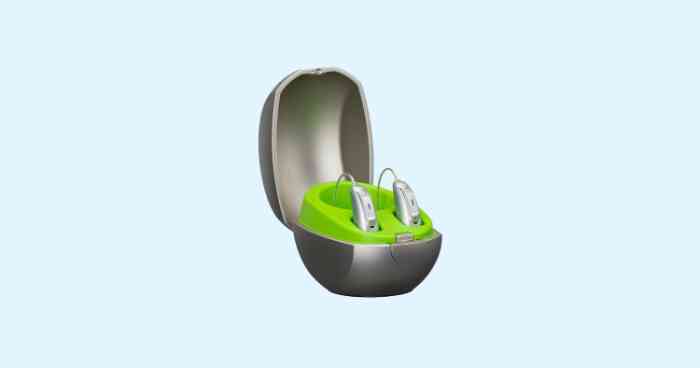
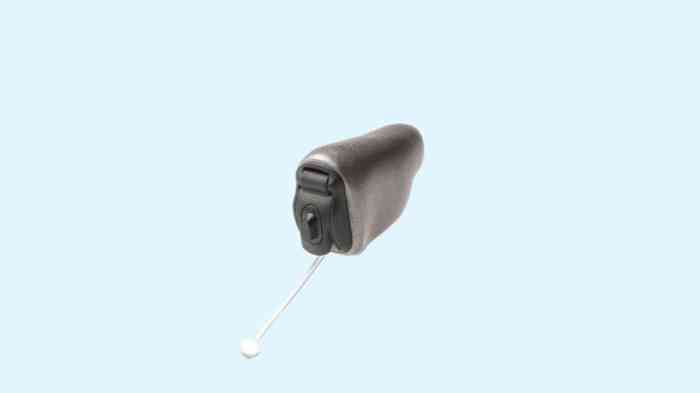
Truhearing hearing aids: reviews and details
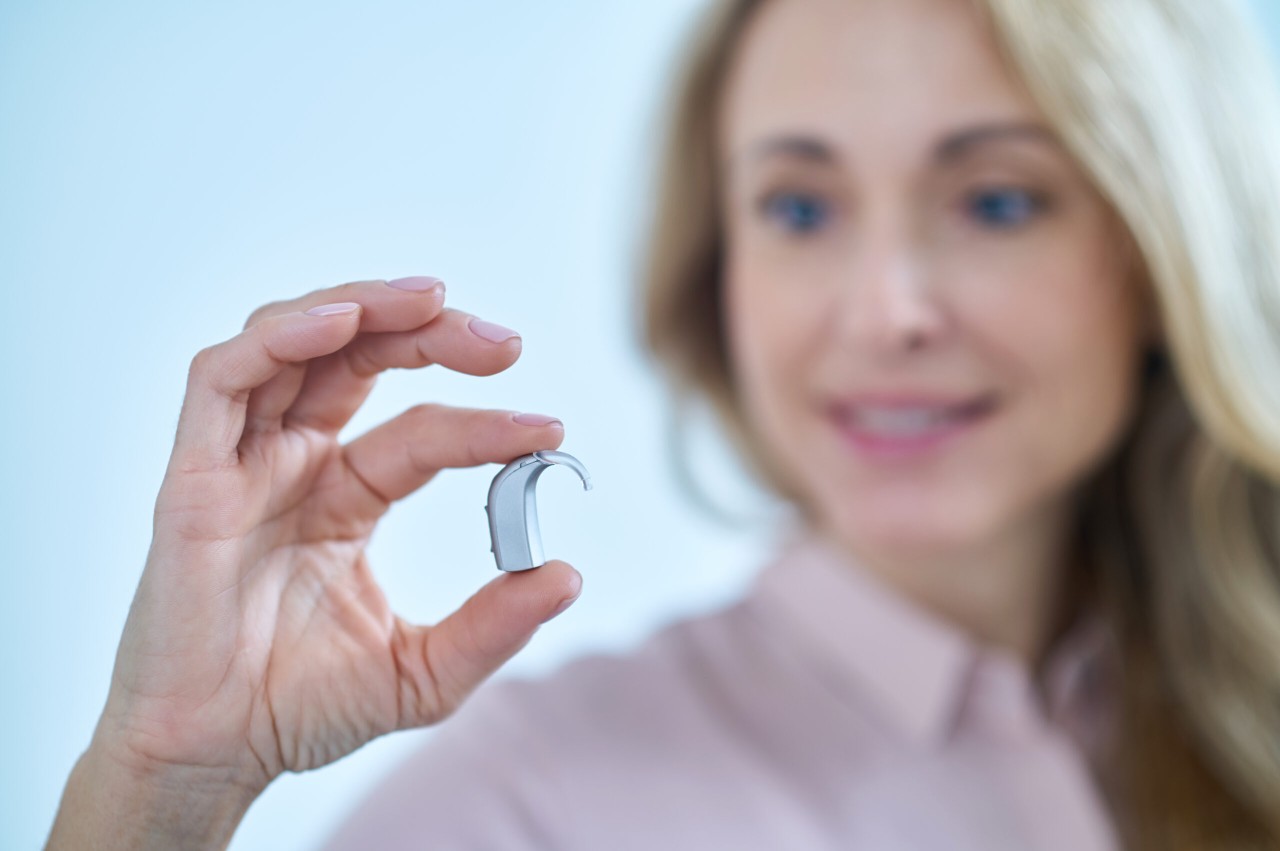
Understanding what TruHearing is helps clarify what "TruHearing hearing aids" actually means. TruHearing is not a manufacturer. It is a third-party managed-care administrator, owned by WS Audiology, that contracts with insurance plans and a nationwide network of licensed providers to offer discounted hearing aids. The term TruHearing aids generally covers two categories: devices from major manufacturers such as Signia, Phonak, Oticon, ReSound, Starkey, and Widex, sold at negotiated prices; and TruHearing's own private-label line—a TruHearing hearing aid manufactured by Signia and positioned at a lower price point, comparable to a store brand.
The lineup is organized by technology tier. TruHearing premium hearing aids sit at the highest level and are built for more demanding listening environments, such as restaurants and group settings, while lower tiers cost less and suit quieter lifestyles. The tiers reflect feature sets, not necessarily build quality.
This article examines TruHearing in detail—how the program works, the brands and technology levels available, pricing, customer reviews and common complaints, the provider network, and the main trade-offs—to help readers assess whether it fits their needs.
What is Truhearing?
TruHearing is a third-party managed-care company that makes hearing aids more affordable by working through health insurance plans. Founded in 2003 and based in Draper, Utah, it's now part of WS Audiology—one of the world's largest hearing-aid groups, which also produces Signia, Widex, and Miracle-Ear.
The key thing to understand is what TruHearing is not: it's not a manufacturer, and it's not an insurance company. Instead, it acts as a middleman (third-party administrator) between you, your insurance plan, hearing-aid manufacturers, and local hearing-care providers. It negotiates discounted pricing and manages the hearing-aid portion of your insurance benefit. The company says this can save customers roughly 30–60% versus retail prices.
Here's how it typically works. You call TruHearing (or your insurer refers you), and a hearing consultant verifies your coverage and schedules an appointment with a local, in-network audiologist or hearing instrument specialist. That provider performs the exam, recommends devices, and orders them through TruHearing; you pick them up and have them fitted a few days or weeks later. TruHearing handles the insurance paperwork. Purchases generally include a 60-day trial, a three-year warranty with one-time loss/damage replacement, and one year of follow-up visits.
Its catalog spans the six major manufacturers—Signia, Starkey, Widex, Oticon, Phonak, and ReSound—plus its own private-label TruHearing-branded line, which is made by Signia. TruHearing partners with 85+ health plans (including many Medicare Advantage plans, Humana, Blue Cross Blue Shield, and VSP) and a large nationwide provider network. Note that as of January 1, 2026, it merged with Hearing Care Solutions under the TruHearing brand.
Truhearing hearing aids reviews: things to know
The single most important thing to understand about TruHearing reviews is that they split into two very different stories: the devices and the service. TruHearing isn't a manufacturer—it's a managed-care benefit administrator (part of WS Audiology) that resells discounted aids from the six major brands, plus its own Signia-made private-label line, through a network of contracted providers. So your experience depends heavily on which clinic you're matched with.
On the devices, feedback is generally positive, especially for people with mild-to-moderate hearing loss. Across platforms, ratings are mixed but skew favorable on social channels: one tally showed roughly 4.3 out of 5 on Facebook. Owners praise the value, clear sound, smartphone streaming, and the savings—TruHearing claims customers save 30–60% versus retail.
The recurring complaints aren't usually about the hardware but the local provider: rushed or non-audiologist hearing tests, difficulty getting follow-up calls returned, charges for extra visits, and providers who struggle to tune devices within their limited, contracted appointment time. Because TruHearing reimburses clinics modestly, some skilled providers have left the network. Aggregate scores on BBB and Yelp run notably lower than the social-media numbers.
A few practical things to know: prices aren't published online; every purchase includes a 60-day trial, 3-year warranty, and one year of follow-up visits; the TruHearing app works only with TruHearing-branded aids; and aids are unlocked, so any provider can adjust them later. As of January 1, 2026, TruHearing merged with Hearing Care Solutions.
Truhearing reviews and complaints
The ratings are strikingly inconsistent across platforms, which is the first thing worth understanding. On the BBB, TruHearing holds an A+ accredited rating, and its corporate review page currently shows a high average around 4.79 out of 5 across roughly 493 customer reviews. Yet an older tally of a smaller BBB review set showed a dismal 1.07 out of 5, and Trustpilot sits at the "Poor" level (around 2.3 out of 5). Yelp has historically averaged about 2 stars, while Facebook tallies have run as high as 4.3. Part of this spread reflects who bothers to review and on which site, so no single number tells the whole story.
The recurring complaints cluster around a few themes rather than the hearing aids themselves. Billing and refunds come up often—one February 2026 reviewer described overpaying roughly $865 after insurance adjustments and being unable to get the refund despite repeated calls, ultimately filing a BBB complaint and a credit-card dispute. Benefit verification delays are another, raised by both patients and providers; one clinic complained that TruHearing took days to verify benefits even for appointments it had scheduled, leaving patients with no pricing information. Poor follow-up communication and difficulty reaching consultants, along with an inaccessible, phone-dependent booking process for deaf and hard-of-hearing users, round out the list.
On the positive side, satisfied customers consistently praise individual local providers by name, the insurance savings, and finally hearing clearly again. The pattern across all this: device satisfaction is generally fine, and experience hinges heavily on the specific provider and insurance/billing coordination.
Since complaints concentrate on billing and benefit verification, the practical safeguard is getting all terms and expected out-of-pocket costs in writing before ordering, and keeping records of every call.
Who makes Truhearing hearing aids?
TruHearing-branded hearing aids are made by Signia, under parent company WS Audiology (the same group that owns Widex and Rexton). The TruHearing-branded devices are essentially rebranded Signia models—functionally equivalent to Signia's (or Rexton's) own hearing aids, just sold under the TruHearing name at a lower price point, similar to how Costco's Kirkland Signature line works. For example, the flagship TruHearing 7 is built on Signia's Integrated Xperience (IX) platform, while some earlier rebrands corresponded to the Signia AX generation.
It's worth clarifying a common point of confusion: TruHearing itself is not a manufacturer. It's a managed-care benefit administrator (founded in 2003, based in Draper, Utah, and now part of WS Audiology) that resells discounted hearing aids through insurance partners and a provider network. Besides its own Signia-made private-label line, TruHearing's catalog also carries devices from the six major manufacturers—Signia, Starkey, Widex, Oticon, Phonak, and ReSound—so a "TruHearing hearing aid" might actually be made by any of those companies depending on which model you choose.
One older private-label line, the TruHearing Flyte, was an exception: it was manufactured by ReSound (GN Hearing) rather than Signia, though that line has largely been superseded.

Is Truhearing a good hearing aid? Is it worth buying?
The honest answer is: it depends on your situation, and the question itself is slightly misleading. TruHearing isn't a hearing aid—it's a managed-care benefit administrator (part of WS Audiology) that resells discounted devices from the six major brands, plus its own Signia-made private-label line. So you're really evaluating mainstream, name-brand hearing aids bought at a negotiated price, not a separate brand of questionable quality.
On value, TruHearing can be genuinely worth it. The company claims savings of 30–60% off retail, and an independent audiologist notes that for many consumers these third-party prices are simply better than private practices can match. Every purchase includes a 60-day trial, a 3-year warranty with one-time loss/damage replacement, and a year of follow-up visits. For people whose insurance includes a TruHearing benefit, it often meaningfully lowers out-of-pocket cost.
The caveats matter, though. It isn't always the cheapest route—Costco and direct audiologist purchases can sometimes beat it, especially long-term. Reviews are sharply split: device satisfaction is generally reasonable, but service ratings on BBB, Yelp, and Trustpilot run low, with frequent complaints about rushed fittings, poor follow-up, and providers working within tight contracted time. Critically, the included care may skip best-practice steps like real-ear measurements.
Bottom line: worth buying if your plan covers it, you confirm covered services upfront, you use the 60-day trial fully, and you choose a reputable provider. If you have out-of-network options, compare first.
Who is a Truhearing provider? Complete US list
A TruHearing provider is a licensed hearing-care professional—a doctor of audiology, audiologist, or board-certified hearing-instrument specialist—who has contracted with TruHearing to deliver discounted exams, fittings, and devices at the program's negotiated rates. All must hold current state licenses and meet NCQA credentialing standards plus TruHearing's own quality program. The network is large: TruHearing reports roughly 7,000+ locations (its site cites 8,850+ provider locations), and it says about 90% of the U.S. population lives within 10 miles of one. Mobile providers are available in some states.
There is no single public, downloadable nationwide list of every provider. TruHearing doesn't publish provider names, addresses, or phone numbers online; entering a ZIP code on its site returns only a map of markers. To get an actual name, you call TruHearing (1-800-334-1807) or your insurer, and they match you with an in-network clinic and schedule your appointment. Many plans (such as Humana, Blue Cross Blue Shield, VSP, and Medicare Advantage plans) publish their own TruHearing provider directories, which are the closest thing to a usable list—though these are plan-specific and may contain outdated entries.
A key clarification: Sam's Club is not a TruHearing provider. Costco and Miracle-Ear aren't either. Sam's Club hearing centers are run separately and sell Lucid Hearing (recently transitioning toward NationsBenefits/Bernafon), and they don't accept hearing-aid insurance benefits.
TruHearing hearing aids: models and reviews
TruHearing is a Utah-based managed care company that distributes discounted hearing aids through insurance partners, working with more than 3,100 providers across the country. It offers devices in four tiers—basic, standard, advanced, and premium—and its own private-label line is manufactured by Signia (Sivantos/WS Audiology). Much like Costco's Kirkland Signature brand, these are private-label hearing aids positioned as quality products at a lower price point.
The TruHearing-branded lineup is organized into four numbered families:
TruHearing 7 / 7 Plus — the flagship line. Built on Signia IX technology, it's marketed as a platform that can pinpoint multiple voices in real time for clearer group conversations, with rechargeable batteries and a charging case. Dual processors evaluate 192,000 data points per second and update 1,000 times per second to keep up with moving speakers. Styles include RIC LI, RIC LI T, Instant Fit (IF), IIC/CIC, and ITE; the 7 Plus adds Bluetooth Classic. Worth noting: some user discussions point out that the rebranded TruHearing 7 Li-ion Premium RIC corresponds technically to the Signia 7 AX platform—slightly older than the IX—which helps explain its lower price.
TruHearing 6 — the mid-premium tier: RIC LI, RIC LI T, RIC (battery), ITE/HS/ITC LI, and CROS RIC styles.
TruHearing 5 — RIC, BTE LI, Power BTE LI, and Super Power BTE LI options for more severe loss.
TruHearing 19 — includes CROS LI 19, ITE/HS/ITC, Standard BTE, and Power BTE.
Comparison Table
|
Line |
Positioning |
Technology |
Main styles |
Notes |
|---|---|---|---|---|
|
TH 7 / 7 Plus |
Top of the range |
Signia IX (7 AX on some rebrands) |
RIC LI, RIC LI T, IF, IIC/CIC, ITE |
7 Plus adds Bluetooth Classic; CROS compatible |
|
TH 6 |
Mid-premium |
Signia (prior generation) |
RIC LI, RIC LI T, RIC, ITE/HS/ITC LI |
CROS RIC available |
|
TH 5 |
Premium/Advanced |
Signia |
RIC, BTE LI, Power BTE LI, SP BTE LI |
Options for severe/profound loss |
|
TH 19 |
Premium/Advanced |
Signia |
CROS LI 19, ITE/HS/ITC, Standard BTE, Power BTE |
BTE only with Bluetooth configurations |
Compatibility with the TruHearing app, miniPocket remote, portable Li charger, and CROS/BiCROS functions varies by style and performance level.
Reviews. Feedback is mixed. Users report clear amplification, effective background-noise reduction, and a useful companion app, while a minority cite product quality concerns or weak customer service. Pricing transparency is a frequent complaint, since prices aren't published and depend on your insurance plan.
This is general information, not a clinical recommendation—consult an audiologist for fitting and product selection.
Truhearing Advanced hearing aids reviews
TruHearing's Advanced tier sits one step below Premium and is aimed at people with active lifestyles who spend some time in noisy settings. It typically bundles solid noise reduction, adaptive directionality, AI-assisted processing, rechargeable options, and app control. Under TruHearing Select, Advanced models have started around $1,195 per aid, though final cost depends on your insurance plan.
Reviews of the devices themselves skew positive, especially among people with mild-to-moderate hearing loss. One verified owner of TruHearing 19 RIC Advanced aids reported being thrilled to finally hear what they'd been missing, and others on review platforms say the aids work well and pair smoothly with a smartphone. The companion TruHearing app, used to adjust volume, switch programs, and access remote support, holds a rating of roughly 4.2 out of 5 stars.
The recurring complaints aren't usually about the Advanced hardware but about the local provider experience. Across BBB, Yelp, and Trustpilot, customers describe rushed hearing tests, difficulty getting follow-up calls returned, and being charged extra to learn basic maintenance or Bluetooth setup. Because TruHearing reimburses providers modestly, some clinicians spend limited time fitting and counseling, and a few have left the network entirely. Satisfaction therefore depends heavily on the specific provider you’re matched with.
To get the best result, confirm in advance what your plan covers—exam, follow-up visits, 60-day trial, 3-year warranty—and ask about real-ear measurements.
This is general information, not a clinical recommendation. Consult an audiologist and verify pricing with your specific plan.
Truhearing Premium hearing aids reviews
TruHearing's Premium tier represents the most advanced sound processing in each product family, designed for the toughest listening situations—noisy restaurants, large groups, and windy outdoor settings. The flagship TruHearing-branded Premium aids are built on Signia's Integrated Xperience (IX) platform, which uses a multistream architecture to track and pinpoint multiple speakers in real time, even as people move. IX models also offer automatic soundscape processing, own-voice management, app-based personalization, and rechargeable options. Under TruHearing Select, Premium models have started around $1,495 per aid, though some plans use a fixed copay instead.
The big appeal is value. Multiple owners on patient forums confirm that TruHearing-branded Premium aids are essentially the same Signia IX hardware sold at retail, and report paying far less—one Humana member got an IX 7 BTE pair for about $1,800, versus the roughly $7,000+ retail price for the equivalent flagship. Independent testers separately praise the IX platform itself for following group conversations in noisy places.
Experiences are not uniformly glowing. Some owners feel the aids were oversold and struggle in very challenging environments, and the most common frustration is provider quality rather than the device—rushed fittings, difficulty getting follow-up, and providers not specialized in tuning Signia aids within limited appointment time. Several reviewers stress trying different models during the 60-day trial and returning to the provider with every complaint.
This is general information, not a clinical recommendation. Consult an audiologist, use the trial period fully, and confirm Premium pricing with your specific insurance plan.
Truhearing Advanced vs Premium hearing aids
TruHearing groups its prescription hearing aids into technology tiers, and for most shoppers the real decision comes down to Advanced versus Premium. The tiers don't reflect build quality—every device is well made—only the number and sophistication of features packed inside. As you move up, you pay for more automated sound processing, better performance in background noise, and added convenience features.
The Advanced level is designed for people with an active lifestyle who spend some time in challenging environments—eating out, traveling, or in meetings. It includes solid noise reduction, adaptive directionality, rechargeability on many styles, app control, and AI-assisted processing. Premium sits at the cutting edge for the most demanding situations, like noisy restaurants, large group conversations, or windy outdoor settings. It typically offers the most advanced speech-in-noise algorithms, refined automatic adjustments, sharper adaptive directionality, and broader connectivity.
Pricing reflects the gap. Under TruHearing Select, Advanced models start around $1,195 per aid and Premium around $1,495 per aid, though exact costs depend on your insurance plan.
Feature comparison
|
Feature |
Advanced |
Premium |
|---|---|---|
|
Best for |
Active lifestyle, moderate noise |
Very noisy, complex environments |
|
Noise reduction |
Good |
Most advanced |
|
Directionality |
Adaptive |
Highly adaptive |
|
Connectivity |
App + streaming |
Broadest options |
|
Typical Select price |
~$1,195/aid |
~$1,495/aid |
A more expensive aid isn't automatically better for you—if you spend most time in quiet settings, Advanced may suffice.
This is general information, not a clinical recommendation. Consult an audiologist, and confirm tier pricing with your specific plan.
Truhearing Flyte 900 review
The Flyte 900 belongs to TruHearing's older private-label Flyte line, which has now largely been superseded by the TruHearing-numbered families (5, 6, 7, 19). Unlike the current TruHearing-branded devices, which are made by Signia, the Flyte aids were manufactured by ReSound (GN Hearing). Owners discovered this firsthand: when paired with an iPhone, Flyte models report themselves as ReSound devices, and they work with ReSound's remotes, streamers, and smartphone app—the Flyte tuner app is essentially a rebranded ReSound app. This rebadging is how TruHearing keeps prices below retail, though it usually means the technology is a generation behind flagship ReSound models.
The Flyte 900 sits at the premium end of the line and is available in receiver-in-canal (RIC/RIE) and behind-the-ear (BTE) styles with Made-for-iPhone Bluetooth streaming. Owners generally like the devices themselves. One verified user said he'd had his Flyte 900 for about three months and really liked them, but his complaints centered on the local provider, not the hardware—he received no cleaning instructions and was frustrated at being charged $120 for basic maintenance and TV streaming guidance.
That theme runs through most TruHearing feedback: satisfaction depends heavily on the assigned provider and how clearly follow-up services are explained, since providers often work within limited, negotiated appointment times. People with mild-to-moderate hearing loss tend to have the smoothest experience.
This is general information, not a clinical recommendation—consult an audiologist before purchasing. Since the Flyte 900 is a discontinued model, ask TruHearing about current-generation alternatives.
Truhearing hearing aids catalog: things to know
TruHearing isn't a manufacturer—it's a managed-care benefit administrator that resells discounted hearing aids through insurance partners and a national network of licensed providers. Its catalog draws from the six leading manufacturers: Signia, Starkey, Widex, Oticon, Phonak, and ReSound. It also sells its own private-label TruHearing-branded line, which is made by Signia (WS Audiology).
A few things to keep in mind before browsing. First, the catalog is organized by technology tier—basic, standard, advanced, and premium—not by quality; the tiers reflect how many features a device packs, with higher tiers adding better noise handling, streaming, and rechargeability. Second, what you can actually buy depends entirely on your plan. Under TruHearing Choice you typically pick across multiple tiers (roughly $695–$2,250 per aid), while TruHearing Select usually limits you to advanced (from about $1,195) and premium (from about $1,495), often TruHearing-branded only.
Third, the catalog changes constantly. Through 2025 and into 2026, the company added newer ReSound, Starkey, Signia, Widex, Oticon, and Phonak models while discontinuing older families—though existing warranties are honored. Note also that beginning January 1, 2026, TruHearing merged with Hearing Care Solutions under the TruHearing brand.
Finally, prices aren't published online, every purchase includes a 60-day trial and 3-year warranty, and the TruHearing app works only with TruHearing-branded aids.
Is Costco a Truhearing provider?
No, Costco is not a TruHearing provider. Along with Sam's Club and Miracle-Ear, Costco operates entirely outside the TruHearing network, so you can't use a TruHearing insurance benefit at a Costco hearing center.
Costco runs its own independent hearing-aid program through its in-store Hearing Aid Centers. It sells models from manufacturers like Jabra, Philips, and Rexton, including its house Kirkland Signature line, with prices starting around $1,499 a pair (and rising to roughly $2,700 depending on the model and add-ons). The package typically includes a professional fitting—often with real-ear measurements—free follow-up appointments, cleanings, a three-year warranty, and two years of loss-and-damage coverage with no deductible. You can even get a free hearing test and product demonstration before buying.
The main trade-off is that Costco doesn't work with insurance providers, so if your plan includes a TruHearing hearing-aid benefit, that benefit goes unused at Costco—you'd pay out of pocket (unless your insurance reimburses out-of-network purchases). A Costco membership is also required. Quality of care can vary by location, as it can with any large retail program.
So the two are genuinely separate paths: TruHearing routes you through insurance to a contracted local provider, while Costco is a flat-price, membership-based retail option independent of your plan. If you have a TruHearing benefit, it's worth pricing out both before deciding.
Is Miracle-Ear a Truhearing provider?
No, Miracle-Ear is not a TruHearing provider. The two operate as separate, competing programs, and Costco and Sam's Club aren't TruHearing providers either.
There's an interesting connection worth noting, though: Miracle-Ear is also produced by WS Audiology, the same parent company behind TruHearing, Signia, and Widex. So while they share corporate ownership at the top, they run as distinct businesses with their own provider networks and product lines, and you can't use a TruHearing benefit at a Miracle-Ear location.
One practical difference matters if you're comparing them. Hearing aids purchased through TruHearing are "unlocked", meaning any provider can adjust and reprogram them later. Miracle-Ear devices, by contrast, are typically "locked", requiring service from within Miracle-Ear's own network of providers who have the proprietary fitting software. That affects your flexibility if you move or want a second opinion down the road.
To find an actual in-network TruHearing provider, you call TruHearing (1-800-334-1807) or check your specific insurance plan's directory, since TruHearing doesn't publish a public list of provider names online.
Truhearing and Humana hearing aids: things to know
The first thing to understand is the relationship. Humana doesn't make or sell hearing aids itself; on many of its Medicare Advantage plans, it contracts with TruHearing as the third-party administrator that handles the hearing-aid benefit. TruHearing in turn routes you to a local in-network provider who does the exam and fitting, while the devices themselves are purchased through TruHearing. The two have partnered since 2017, and the benefit is now available across most states.
On cost, Humana plans that include TruHearing typically use a fixed-copay structure rather than a flat allowance, which removes pricing guesswork. Copays are charged per hearing aid (one per ear, up to two per year) and vary by plan and location. Recent figures put advanced-level aids around $399–$699 and premium-level aids around $699–$999, with sometimes a $0 option on certain plans and an added copay (around $50) for rechargeable models. A routine annual hearing exam is usually covered at no cost. By contrast, Humana plans that don't use TruHearing often provide a $1,000 hearing-aid allowance instead of fixed copays.
A few practical points. The benefit generally includes follow-up provider visits during the first year (some plans say unlimited, others specify a set number), a trial period, and a three-year warranty. Critically, you usually must buy through a TruHearing network provider—if you live within about 25 miles of one and go out-of-network, you may get no coverage and pay full price. Also, not every brand is covered on every Humana plan, and prior authorization is often required.
Because these numbers and rules vary significantly by plan and change yearly, confirm your exact copays, covered brands, and in-network provider with Humana and TruHearing directly before booking. One reader tip from the sources: ask whether your hearing-aid spending counts toward your annual out-of-pocket maximum, and get a case number for any benefit confirmation call.
Is Amplifon different than Truhearing?
Yes, Amplifon and TruHearing are different companies—competitors, in fact—though they do very similar things, which is why they're easy to mix up. Both are hearing-benefit administrators (third-party administrators) that partner with insurance plans to give members discounted hearing aids through a network of local providers, handle insurance paperwork, and offer perks like a 60-day trial and three-year warranty.
The most meaningful difference is ownership, and it shapes everything else. TruHearing is owned by WS Audiology, the manufacturer behind Signia and Widex—and it sells its own Signia-made private-label line alongside other brands. Amplifon Hearing Health Care, by contrast, is not owned by a hearing-aid manufacturer; its parent, the Italian company Amplifon, is the world's largest independent distributor of hearing aids. (For context, other administrators include Hearing Care Solutions and HearUSA (WS Audiology), Birdsong (Demant/Oticon), and Great Hearing Benefits (GN/ReSound). Amplifon is the outlier.)
Amplifon argues this independence lets its providers fit any brand from the full market—Phonak, Oticon, Starkey, ReSound, Signia, Widex, Unitron, and others—rather than steering toward house brands. Manufacturer-owned administrators like TruHearing tend to have narrower formularies built around their parent’s products, though TruHearing's catalog still includes all six major manufacturers.
A couple of practical takeaways. Which one you can actually use depends on your insurance plan—a given plan contracts with one administrator, not both, so you generally don't get to pick. Both route you to a local provider, verify benefits, and schedule appointments the same basic way. And both keep pricing off their public websites, so you confirm your specific copay or discount only after a benefit check.
If you're choosing between plans, it's worth asking each administrator which brands and models your specific benefit actually covers, since that's where the real difference shows up.
Truhearing vs Costco: main differences
These are two very different ways to buy the same kind of name-brand hearing aids, and the right choice depends largely on your insurance.
TruHearing is an insurance-based managed-care administrator (part of WS Audiology). You access it through a participating health plan, which routes you to a local in-network provider; your cost is a plan-determined price or copay, with figures often falling between roughly $1,300 and $4,500+ per pair. Its catalog spans the six major manufacturers plus its own Signia-made private-label line, and crucially, its aids are “unlocked”, so any provider can adjust them later.
Costco is a flat-price, membership-based retail program that doesn't bill insurance at all—you pay out of pocket (around $1,500–$2,700 per pair) and seek reimbursement yourself if your plan allows it. It carries Jabra, Philips, Rexton, and Sennheiser, performs real-ear measurements on every fitting, and includes unlimited follow-ups, a 180-day return window, and strong warranties. Note that some insurers no longer reimburse Costco purchases and instead steer members to TruHearing.
Comparison Table
|
Factor |
TruHearing |
Costco |
|---|---|---|
|
Model |
Insurance benefit |
Membership retail |
|
Insurance |
Uses your plan |
Not accepted |
|
Typical cost/pair |
~$1,300–$4,500+ |
~$1,500–$2,700 |
|
Brands |
6 majors + own line |
Jabra, Philips, Rexton, Sennheiser |
|
Return trial |
60 days |
180 days |
|
Real-ear measurement |
Varies by provider |
Standard |
Bottom line: if your plan includes TruHearing, it can lower out-of-pocket cost; if not, Costco is often cheaper overall.
Truhearing hearing aid costs in the US on average
The first thing to understand is that TruHearing has no single fixed price—what you pay depends heavily on your insurance plan, brand, style, and technology level. The company's general claim is that its aids cost 30–60% less than retail, with savings it advertises around $3,774 per pair. For context, retail hearing aids average roughly $2,300 per aid (about $4,600 a pair), and can reach $7,000 per pair for the most premium models.
TruHearing prices typically fall between about $1,300 and $4,500+ per pair, depending on coverage and tier. The structure splits across its two programs:
TruHearing Choice
(Widely available program with the broadest brand selection)
- Individual aids range from ~$695 to $2,250 each
- Covers basic, standard, advanced, and premium tiers
- Broadest manufacturer selection
TruHearing Select
(Plan-dependent, often limited to TruHearing-branded Signia-made devices)
- Advanced: from ~$1,195 per aid
- Premium: from ~$1,495 per aid
On some Humana Medicare Advantage plans, this becomes a fixed copay structure instead:
- Advanced: ~$399–$699 per aid
- Premium: ~$699–$999 per aid
Additional costs & inclusions
- Rechargeable batteries: +~$50 per aid
- Ear molds, extra accessories, and extended follow-ups are usually not included
- Every purchase includes:
- 60-day trial
- 3-year warranty
- 1 year of follow-up visits
- Non-rechargeable models include 80 free batteries
Tier overview
|
Tier / Program |
TruHearing Choice (per aid) |
TruHearing Select (per aid) |
Humana MA copay (per aid) |
|---|---|---|---|
|
Basic |
From ~$695 |
Not typically offered |
Varies by plan |
|
Standard |
~$695–$1,195 |
Limited availability |
Varies by plan |
|
Advanced |
Mid-range pricing |
From ~$1,195 |
~$399–$699 |
|
Premium |
Up to ~$2,250 |
From ~$1,495 |
~$699–$999 |
Key context & add-ons
|
Item |
Value |
Notes |
|---|---|---|
|
Overall price range |
~$1,300–$4,500+ per pair |
Depends on plan, tier, and coverage |
|
Advertised savings |
30–60% off retail (~$3,774/pair) |
Compared to average retail pricing |
|
Retail comparison |
~$2,300 per aid (~$4,600/pair) |
Can reach ~$7,000 at premium level |
|
Rechargeable battery |
+~$50 per aid |
Add-on cost if selected |
|
Trial period |
60 days |
Standard return window |
|
Warranty |
3-year manufacturer warranty |
Included with purchase |
|
Follow-up care |
1 year included |
Provider-based visits |
|
Free batteries |
80 per non-rechargeable aid |
Included supply |
|
Not included |
Ear molds, extras, post-year-1 visits |
Often billed separately |
A few notes on reading the table: Choice offers the widest brand selection across all four tiers, while Select is usually limited to TruHearing-branded (Signia-made) devices and mainly Advanced and Premium tiers. The Humana column reflects a fixed-copay model, while other plans may use a flat allowance (~$1,000 per aid) instead.
Because the real cost depends entirely on your specific insurance coverage, these figures are ranges, not quotes—the only accurate price comes from a TruHearing benefit check.
This is general information, not financial or medical advice.
Truhearing customer service and network: things to know
How to reach them
The main customer-service line is 1-800-334-1807 (a backup general number is 1-844-235-0595), and the company also offers live chat through its website.
- Stated phone hours:
- Monday–Friday, roughly 7 a.m.–5 p.m. Mountain Time
- Plan-specific variations:
- Certain Blue Cross plans list 8 a.m.–9 p.m. Eastern
- Important note:
- The number you should call may differ depending on your insurance
- Many plans have their own dedicated TruHearing line (found in benefit materials)
- Separate numbers exist for:
- Provider support
- Privacy/legal matters
- Corporate office:
- Draper, Utah
What customer service actually does
A TruHearing "hearing consultant" is your starting point:
- Verify your insurance coverage
- Explain your benefit
- Find an in-network provider near you
- Schedule your first appointment
- Handle:
- Insurance paperwork
- Claim submissions
- Support after purchase:
- Service requests
- Returns
- Help finding a new provider
The network
TruHearing advertises 8,850+ provider locations, with about 90% of the US population within 10 miles of one; mobile providers exist in some states.
- Provider types:
- Licensed audiologists
- ENT specialists
- Board-certified hearing-instrument specialists
- Credentialing:
- NCQA standards
Key rule:
- If you live within about 25 miles of an in-network provider, you generally must use one
- Out-of-network usually means:
- Zero coverage
- Full out-of-pocket cost
Important notes:
- No public list of provider names online
- You are matched via phone or insurance directory
- Insurance directories can be outdated → always verify provider availability before booking
Things to keep in mind
Customer service is the most common source of complaints:
- Billing delays
- Refund delays
- Benefit verification issues
- Difficulty getting follow-up calls returned
Other considerations:
- Booking process is phone-dependent
- Some deaf and hard-of-hearing users find this challenging
- Included package generally covers:
- One year of follow-up visits
- Later visits may cost:
- Around $20–$65
Corporate update:
- As of January 1, 2026, TruHearing merged with Hearing Care Solutions
- Some members may see branding changes
Practical tip
A practical tip drawn from member complaints:
- Confirm in writing:
- Expected costs
- Covered services
- Keep records of:
- Every call
- Case or reference numbers
- Always verify details with your specific plan, since networks and numbers vary
Truhearing Echo: all the details
What it is
Echo (echo.truhearing.com) is TruHearing's online provider portal—a tool for the hearing-care professionals in TruHearing's network, not a consumer app or hearing-aid product. If you're a patient, this isn't something you'd use directly; it works behind the scenes in your provider's office.
- Echo is a patient-management portal
- Used only by TruHearing-network providers
- Free for participating providers
- Serves as their day-to-day operational hub
What providers do with it
The main functions are:
- Placing hearing-aid orders (shipped directly to the provider's office)
- Managing patient records and referrals
- Tracking payments
Workflow overview:
- TruHearing hearing consultant:
- Verifies patient coverage
- Schedules appointment
- Provider:
- Sees the patient
- Recommends devices
- Order processing:
- Goes through Echo
- Additional functions:
- Supports direct-deposit payments
- TruHearing handles insurance paperwork on the back end
Provider feedback:
- Described as making patient care and ordering straightforward
- Reduces need for faxing paperwork
Access and technical notes
- Login required:
- Username and password issued during onboarding
- No public self-signup available
- Browser requirements:
- Recommended: Google Chrome or Microsoft Edge
- Not compatible (or poor performance): Internet Explorer
- Login issues:
- Password reset available in portal
- Support via 1-800-334-1807
Important clarifications
- Echo is not the consumer-facing TruHearing app
- Consumer app is used for:
- Volume control
- Program changes
- Bluetooth pairing
- They are completely different tools
Additional note
Following the January 2026 merger with Hearing Care Solutions, some users may see:
- Shared or transitioning branding
- Unified backend systems under TruHearing