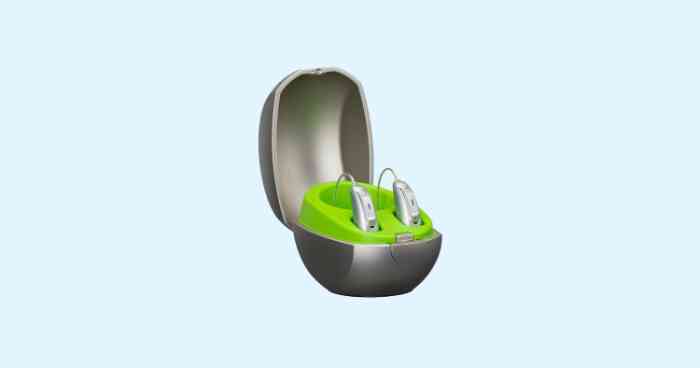
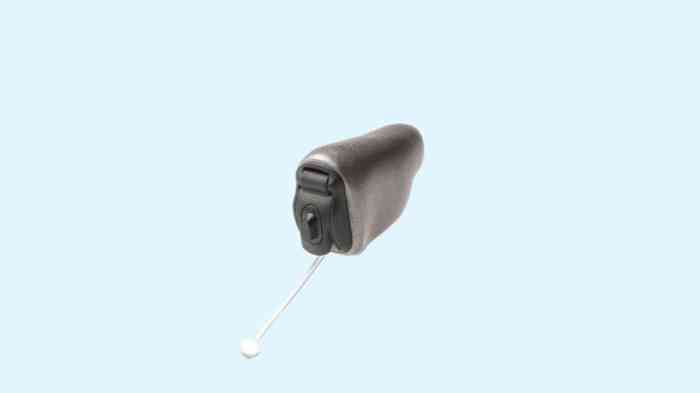
Sennheiser All-Day Clear Hearing Aids
Discover everything about Sennheiser All-Day Clear Hearing Aids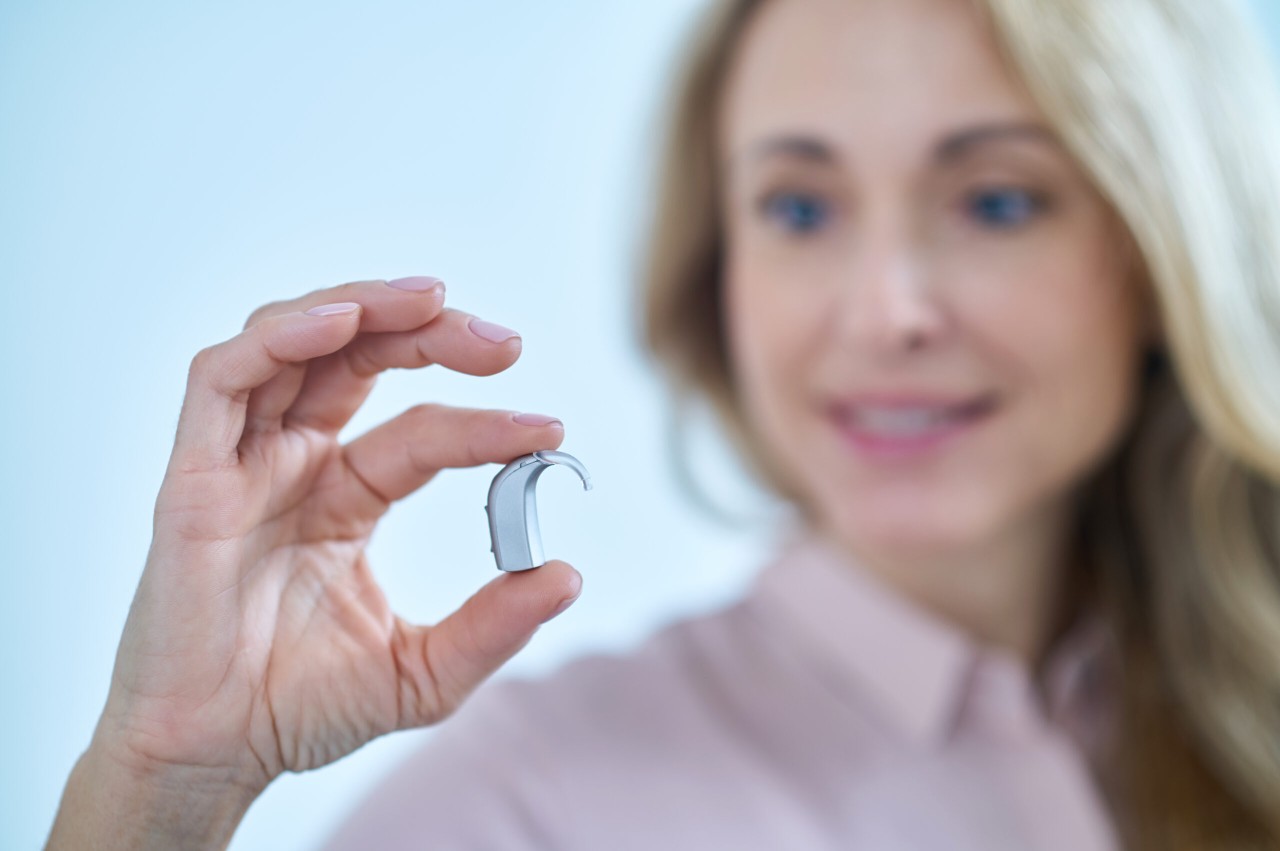
Sennheiser is a name most people associate with headphones and professional audio, but the brand has also become a notable player in the hearing aid market. This review covers Sennheiser's full hearing aid lineup — both its over-the-counter and prescription options — to help you understand what's available and which might suit your needs. Sennheiser entered the hearing aid space following its 2022 acquisition by Sonova, the world's largest hearing aid manufacturer and the parent company of Phonak and Unitron.
That connection matters, because it means Sennheiser's devices are built on established, clinically proven Sonova technology rather than developed from scratch. The lineup splits into two categories. On the over-the-counter (OTC) side, the Sennheiser All Day Clear is a self-fitting receiver-in-canal device for adults with mild to moderate hearing loss, priced around $999 and often discounted. It's set up entirely through a companion app, offers Bluetooth streaming for iPhone and Android, and has earned strong marks in independent lab testing. An earlier slim earbud-style variant has since been discontinued. On the prescription side, the Sonite R — and its newer successor, the Sonite Rise — is sold exclusively through Costco Hearing Aid Centers, professionally fitted, and suitable for a wider range of hearing loss from mild to profound.
Both are essentially Phonak-generation devices under the Sennheiser name. In the sections below, we examine each model's features, performance, pricing, user and expert feedback, and limitations — including one development worth watching: Sonova's March 2026 announcement that it plans to divest its consumer hearing business.
Sennheiser All Day Clear reviews and complaints
The Sennheiser All Day Clear is an over-the-counter (OTC) hearing aid developed with Sonova, the world's largest hearing aid manufacturer, and it consistently earns praise in any Sennheiser All Day Clear review for one thing above all: sound quality.
- Reviewers highlight excellent Bluetooth music streaming, effective background-noise management, and a discreet behind-the-ear form. HearingTracker's testers noted the open-fit design helps reduce the "own-voice" occlusion effect many hearing aid users dislike, and one outlet said it can rival prescription devices costing several times more.
- The picture shifts, however, when it comes to fine-tuning. This is the most common complaint. Techlicious found the app's hearing test resembles a sound-preference questionnaire rather than a true diagnostic, meaning the devices can't reach their full potential without paying a Hearing Care Professional to tune them. Best Buy reviewers echoed this, with some noting the extra cost — around $400 for professional service and longer receiver wires — wasn't worth it, and others feeling the amplification wasn't strong enough for more than slight loss.
- Sennheiser All Day Clear Slim reviews are more measured. In HearAdvisor lab testing the Slim earned a "B" grade (SoundScore 3.78/5), ranking #20 of 61 OTC devices. It scored strongly on music streaming and feedback control but poorly on speech-in-noise (1.0/5), and Consumer Reports flagged that it fell short of FDA requirements for amplifying lower-pitched sounds, with more distortion in loud settings.
- Other gripes include a subpar charging case and the behind-the-ear-only design. Confirm current pricing before buying, since it shifts often.
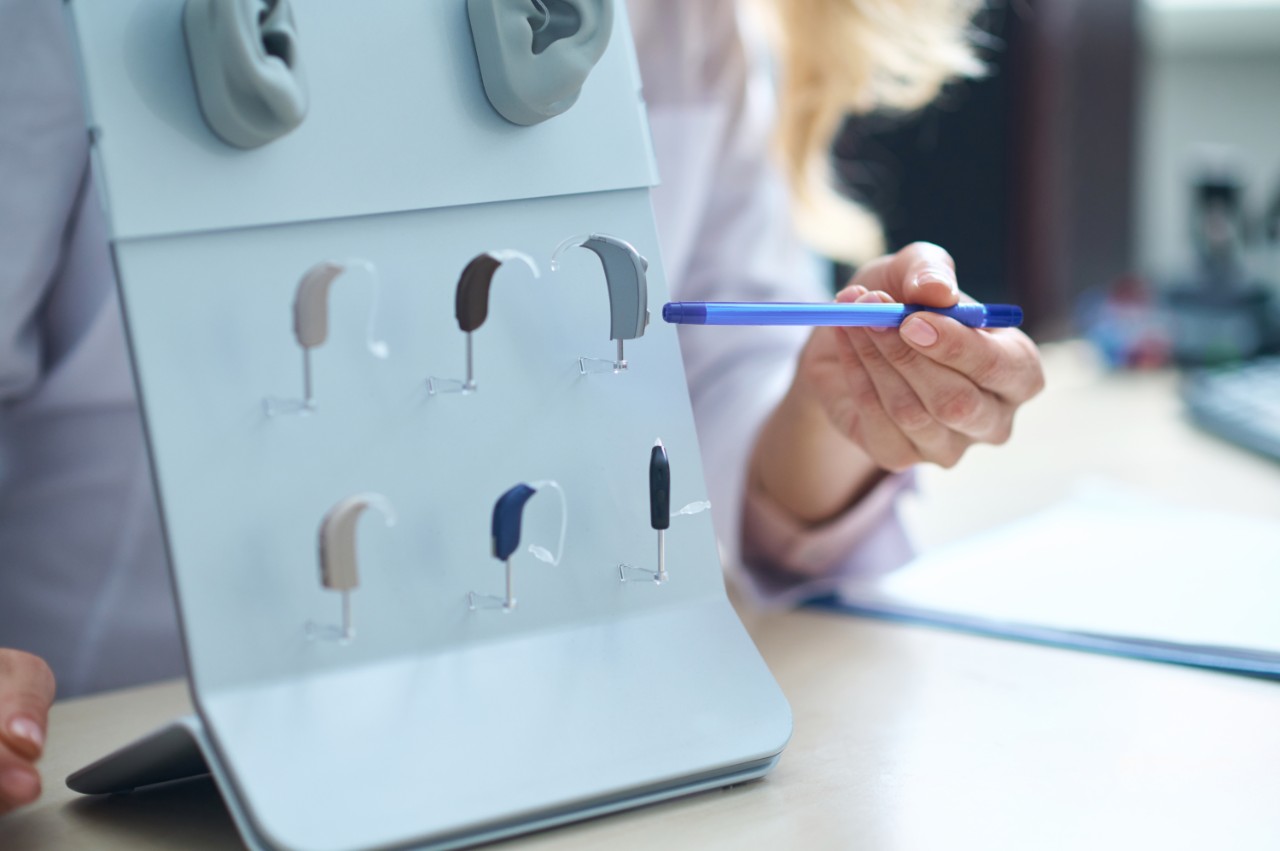
Sennheiser All Day Clear: models of hearing aids
Sennheiser entered the over-the-counter (OTC) hearing aid market in 2023, following its 2022 acquisition by Sonova, the world's largest hearing aid manufacturer (parent of Phonak). Understanding the lineup helps, since it has shifted over time.
- Originally, Sennheiser offered two OTC models. The standard All Day Clear is a traditional receiver-in-canal (RIC) device with open domes, where the receiver sits inside the ear canal, resembling a conventional prescription hearing aid. The Sennheiser All Day Clear Slim OTC hearing aids traded that design for an earbud-style form factor — a longer, slimmer device with the microphone built into the earbud rather than sitting behind the ear.
- On the All Day Clear vs Slim question, the practical difference is mostly design and performance nuance rather than core technology; both are self-fitting, FDA-listed devices for mild to moderate loss with Bluetooth streaming and automatic scene detection. In HearAdvisor testing, the Slim earned a "B" grade (3.78/5), while the standard All Day Clear scored higher at 4.20/5. Sennheiser has since narrowed its focus to the traditional RIC, and the Slim is now discontinued from Sennheiser directly, though still available through some retailers like Amazon.
- It's also worth distinguishing the OTC line from Sennheiser's prescription option. On the Sonite R vs All Day Clear comparison: the Sonite R (Sonite Rise) is a prescription-fit RIC sold exclusively at Costco for around $1,600, intended for mild to severe loss, whereas the All Day Clear is the self-fitting OTC alternative around $950–$1,000.
- Prices shift often, so confirm current details before buying.
Sennheiser All Day Clear OTC hearing aids: pros and cons
The Sennheiser All Day Clear is a premium-end over-the-counter (OTC) hearing aid developed with Sonova, the world's largest hearing aid manufacturer. It's well-regarded overall, but like any device it involves trade-offs. Here's how they break down.
Pros
- Excellent sound and streaming quality. This is its standout strength. Reviewers praise vibrant, natural sound and strong Bluetooth streaming for both iPhone and Android. HearAdvisor testing gave the standard model a SoundScore of 4.20/5, well above the OTC category average of 3.47/5, and it earned Forbes Health's 2024 "Best OTC Technology" award.
- Strong background-noise management. Its intelligent scene detection adjusts automatically as you move between environments (similar to Phonak's AutoSense technology), so you don't have to switch programs manually.
- Open-fit comfort. The RIC open-dome design lets ambient sound mix with amplified sound, reducing the "own-voice" occlusion effect that many hearing aid users dislike, for a more natural experience.
- Excellent build quality. It carries a strong IP68 ingress rating for dust and moisture resistance, and feels well-built.
- Trusted brand and retail availability. Backed by Sennheiser's audio heritage and Sonova's engineering, it's widely available through Sennheiser's site, Best Buy, Amazon, Walmart, and Target, often on sale.
- Battery life. Rated up to around 16–20 hours per charge (sources vary), enough for all-day wear.
Cons
- Weak fine-tuning / self-fitting test. The most common complaint. Reviewers found the app's hearing test resembles a sound-preference questionnaire rather than a true diagnostic, meaning some users won't reach the device's full potential without paying a Hearing Care Professional (roughly $400 extra) to tune them.
- Struggles with speech in noise. Despite good general noise handling, lab testing showed weak speech-in-noise performance, so busy, crowded settings remain challenging.
- Higher price. At roughly $950–$1,000 per pair (originally $1,400), it sits at the premium end of the OTC market — far more than budget rivals.
- Behind-the-ear only. Now that the Slim earbud-style model has been discontinued, only the traditional RIC form factor remains.
- Mediocre charging case. Some reviewers flagged the case as bulky or subpar.
- Mild-to-moderate loss only. Not suitable for severe or profound hearing loss, and it requires basic smartphone comfort for setup.
The All Day Clear suits people who prioritize premium sound quality, streaming, and a trusted brand, and who are comfortable self-fitting via an app. Those who want the best possible personalization may face added cost for professional tuning, and buyers whose main challenge is very noisy environments — or whose budget is tight — may find better value elsewhere. Prices shift frequently with sales, so confirm current figures before buying.

Sennheiser All Day Clear hearing aids: features
The Sennheiser All Day Clear is a premium over-the-counter (OTC) hearing aid developed with Sonova, the world's largest hearing aid manufacturer. FDA-cleared for adults with mild to moderate hearing loss, it packs several standout features into a receiver-in-canal (RIC) design.
Connectivity is a defining strength. The Sennheiser All Day Clear Bluetooth hearing aids offer seamless streaming for hands-free calls, music, podcasts, and audiobooks on both iOS and Android — with active connectivity to up to two devices at once. This dual-platform support is notable, since many rivals either skip Android or struggle to connect reliably with it, making the All Day Clear a strong pick for Android users who like to stream.
Its signature feature is Intelligent Scene Detection, Sonova's automatic environment adaptation that reads your acoustic surroundings and optimizes sound modes without you switching programs manually — similar to the AutoSense technology in Phonak prescription aids. It also uses directional microphones for clearer listening in noise and offers listening modes like Conversation in Quiet and Conversation in Noise.
Other features include an open-dome fit that blends ambient and amplified sound for a natural experience, a strong IP68 rating for dust and water resistance, and rechargeable batteries rated up to 24 hours per charge (roughly two days with light streaming), with a full recharge taking about three hours. Setup and personalization happen through the All Day Clear app, alongside onboard push-button controls for on-the-fly adjustments.
One quirk: some session-specific app tweaks reset after a restart, though your saved profile persists. Confirm current specs before buying.
Sennheiser All Day Clear: how to use them
Unboxing and charging
Setup and pairing
Choosing your fit
Creating your sound profile
Everyday controls
Maintenance and support
Sennheiser All Day Clear: price in the US
Current price
The standard All Day Clear is currently listed at $999.95 per pair on Sennheiser's official website, though reviewers frequently see it discounted — often to around $799.99, and HearingTracker notes real-world pricing generally falls in the $800–$1,000 range. Some retailer listings quote figures like $949.95. So while the official sticker is just under $1,000, patient shoppers can often pay closer to $800.
That's a significant drop from launch. When Sennheiser first entered the OTC market in 2023, the standard All Day Clear and the Slim model were priced at $1,400 and $1,500 respectively. The company has since narrowed its lineup to the traditional RIC model and cut the price.
The now-discontinued Slim
What's included and cost factors
The price covers the pair of hearing aids, charging case, cables, ear tips, and accessories, with a 1-year limited warranty, free shipping, and a 45-day return window direct from Sennheiser. The devices are HSA/FSA eligible, which can effectively lower the cost.
Some third-party sellers bundle extras for additional fees — for example, an optional in-clinic care package (roughly $250) adds professional programming and an extended warranty. Others offer their own return windows and support packages.
One development to watch
In March 2026, Sonova (Sennheiser's hearing-aid parent) announced plans to divest its Consumer Hearing business, which includes the Sennheiser-branded line. It hasn't yet clarified what this means for the All Day Clear going forward, so it's worth checking current availability and pricing directly before buying.
As always, prices shift frequently with promotions, so confirm the latest figure on Sennheiser's site or an authorized retailer.
Where to buy Sennheiser All Day Clear hearing aids
The Sennheiser All Day Clear is widely available, so buyers have several trustworthy routes rather than a single channel. The most direct is Sennheiser's own OTC website (us.sennheiser-hearing.com), where you can check features, buy directly, and optionally connect to hearing care professionals for added support. Buying direct includes a 1-year warranty, free shipping, and a 45-day return window.
- For US shoppers who prefer familiar platforms, the All Day Clear is sold at major big-box retailers including Best Buy, Amazon, Walmart, and Target. Best Buy offers both online delivery and in-store pickup with price matching, while Amazon lists the FDA-cleared devices with its usual shipping and returns, and notes HSA/FSA eligibility. Because prices vary between sellers, it's worth shopping around. The devices are also available through Sonova's AudioNova clinic network and, for some members, UnitedHealthcare.
- Several authorized third-party retailers add value through setup services and extended support — Soundly is an official Sennheiser retailer offering a comprehensive setup service, price-match, and 45-day price-drop protection, while sellers like Pure Hearing bundle lifetime professional support and a 60-day money-back guarantee.
- For international buyers, Sennheiser maintains authorized dealer webshops in numerous countries. Canada and the UK are both listed among the regions with links to authorized dealers through Sennheiser's product pages, so shoppers there should start at Sennheiser's regional site to find local retailers rather than importing from the US.
- One caveat: Sonova announced in March 2026 that it plans to divest its consumer hearing business, so confirm current availability and pricing before purchasing.
Sennheiser All Day Clear OTC hearing aids: product info and reviews
The Sennheiser All Day Clear is a premium over-the-counter (OTC) hearing aid developed with Sonova, the world's largest hearing aid manufacturer (parent of Phonak). FDA-cleared for adults with mild to moderate hearing loss, it's a receiver-in-canal (RIC) device with an open-dome fit, currently priced around $999.95, though often discounted toward $800.
- On the product side, its defining features include seamless Bluetooth streaming for calls, music, and podcasts on both iOS and Android — notable since many rivals handle Android poorly — plus Intelligent Scene Detection, Sonova's automatic environment adaptation (similar to Phonak's AutoSense). It offers directional microphones, an IP68 dust-and-water rating, rechargeable batteries lasting up to 24 hours per charge, and app-based self-fitting alongside onboard push-button controls.
- Reviews are broadly strong. In HearAdvisor lab testing it earned an "A" SoundGrade (4.20/5), well above the OTC average, and topped HearingTracker's OTC category at the time of writing, with high real-world marks for design, comfort, streaming, and build quality. Reviewers particularly praise its sound quality and background-noise management.
- The most common criticism concerns fine-tuning: several testers found the app's self-fitting test resembles a sound-preference questionnaire rather than a true diagnostic, so some users may want professional tuning. Other gripes include weaker speech-in-noise performance, a bulky charging case, and mixed comfort feedback.
- One development to watch: Sonova announced in March 2026 that it plans to divest its consumer hearing business. As always, confirm current pricing and availability before buying.
Sennheiser All Day Clear: accessories and wax guards
What's in the box
Ear tips (domes)
Wax guards
Charging case and power options
Optional add-ons
For genuine parts, Sennheiser directs users to its own site, though third-party sellers like Hear By Design and Amazon also stock compatible ear tips and wax guards. Prices can change, so confirm current figures before ordering.
Sennheiser All Day Clear app: things to know
The All Day Clear app is essential to owning these hearing aids — it's how you set up, program, and personalize them. Because the devices are self-fitting, you must use the app for initial setup; there's no way around it. Here's what's worth knowing.
Compatibility and setup
The app is free on the Apple App Store and Google Play, and works with Bluetooth-enabled smartphones and tablets running at least iOS 14 or Android 8.0 (it functions on tablets but isn't optimized for them). Reviewers consistently describe setup as quick and intuitive — typically about five minutes — with clear step-by-step guidance and pairing that most testers found straightforward
The "My Sound Profile" step
During setup, the app walks you through creating a personal sound profile. One important caveat, flagged by multiple reviewers: this is more of a sound-preference test than a true diagnostic hearing test. You listen to a speech sample and make a few simple choices, and the app tunes the aids accordingly. It's easy but less precise than a clinical audiogram. Notably, Consumer Reports found the self-fitting test isn't part of the main setup flow — it sits under separate settings.
Everyday controls
Once set up, the app gives you a simple volume slider (adjustable per ear, so you can boost or mute one side), preset listening modes like Conversation in Quiet and Conversation in Noise, and a 3-band equalizer for bass, mid, and treble. Many users single out the equalizer as making a real difference in clarity. You can also manage Bluetooth streaming and take calls. Onboard push-buttons duplicate the core controls, so you're not fully dependent on your phone.
User feedback and quirks
App store reviews are mixed. Many praise the ease of setup, streaming, and helpful adjustment tips, while others report Bluetooth reconnection problems that occasionally prevent the app from connecting afterward. Ratings on Google Play in particular include complaints about the app's reliability. The app also sends coaching reminders to help you adjust to wearing hearing aids.
Overall, the app is capable and beginner-friendly for straightforward customization, though its "hearing test" is best seen as preference-based tuning. Confirm current compatibility before buying, since apps update often.
Sennheiser All Day Clear: battery life
The Sennheiser All Day Clear uses a rechargeable battery designed to last a full day on a single charge, though the exact figure quoted varies by source and by how you use the device.
How long it lasts
Sennheiser currently lists battery life at up to 24 hours per charge, an increase from the 20 hours cited in earlier materials. Some listings (including Amazon and Best Buy) still reference figures around 16 hours, and the discontinued Slim model was rated up to 21 hours. The real-world number depends heavily on individual usage — particularly how much Bluetooth streaming you do, along with volume levels and the age of the device.
Reviews
To put that in context, HearingTracker's testers rated the 20-hour figure as "average" to "just-below-average" compared to all devices they've tested, but reviewers generally agree it's more than enough for a full day. One Apple App Store reviewer noted the battery life was far superior to their older Lexie B2s and their AirPods Pro used as hearing aids, lasting more than a full day even with heavy streaming and calls.
Charging
A full recharge takes up to about three hours using the included USB-C (or micro-USB, depending on the batch) cable and wall adapter. You charge the aids by placing them in the case overnight — the manual recommends charging every night. The charging case shows approximate charge via indicator lights: blinking red for under 10%, orange for 11–80%, and green for 81–99%, turning solid green when fully charged. You can also check battery status in the app.
An important limitation
This is the most-cited battery-related complaint. The charging case has no internal battery, meaning it must stay plugged into an outlet to charge the aids — you can't top them up on the go. Several reviewers flagged this as feeling behind the times, since many competitors offer portable case batteries. If you travel or spend long days away from an outlet, that's worth factoring in. Sennheiser does sell a separate Power Pack ($149.95) as a portable power option. As always, confirm current specs before buying, since battery ratings can shift between production runs.

Sennheiser All Day Clear vs Jabra Enhance Select
The Sennheiser All Day Clear and Jabra's Enhance Select line are both premium receiver-in-canal (RIC) OTC hearing aids, but they take different philosophies. Sennheiser leans on self-fitting via its app, while Jabra bundles professional audiology care into the price — which is the main reason the Jabra devices cost roughly twice as much (around $1,995 vs $999 per pair).
- On performance, independent HearAdvisor lab testing gives the edge to two of the three. The All Day Clear earned an "A" grade (4.20/5), as did the Jabra Enhance Select 500, which ranked in the top 5–14% of devices tested. The step-up-numbered Enhance Select 700 actually scored lower — a "B" grade (3.91/5), ranking #16 of 61 — so a higher model number doesn't mean better sound here.
- Where Jabra stands out is professional support: it offers arguably the best telehealth, remote programming, and tech support among OTC brands, with devices pre-programmed to your audiogram before they arrive. Sennheiser instead relies on you to self-program, which suits people who prefer independence and a lower price. Reviewers describe Sennheiser's sound as smoother and more relaxed, and Jabra's as crisper and brighter. Sennheiser also connects more seamlessly with Android, while both handle iPhone well.
- Battery life favors Jabra (about 30 hours vs Sennheiser's rated 16–24), and Jabra offers five color options versus Sennheiser's single duotone. Both carry IP68 ratings.
|
Feature |
Sennheiser All Day Clear |
Jabra Enhance Select 500 |
Jabra Enhance Select 700 |
|---|---|---|---|
|
Price (per pair) |
Starting from ~$999 |
Starting from ~$1,795–$1,995 |
Starting from ~$1,995 |
|
Style |
RIC, behind-the-ear |
RIC, behind-the-ear |
RIC, behind-the-ear |
|
HearAdvisor grade |
A (4.20/5) |
A (top ~14%) |
B (3.91/5, #16 of 61) |
|
Fitting |
Self-fitting via app |
Pre-programmed to audiogram |
Pre-programmed to audiogram |
|
Technology |
Sonova-based |
GN ReSound |
GN ReSound |
|
Professional support |
Optional (extra cost) |
Included (telehealth, remote programming) |
Included (best-in-class) |
|
Battery life |
~16–24 hrs |
~30 hrs |
All-day |
|
Bluetooth |
iOS + Android (strong Android) |
iOS + Android |
iOS + Android, LE Audio |
|
Water resistance |
IP68 |
IP68 |
IP68 |
|
Colors |
1 (silver/black) |
5 options |
Multiple |
|
Sound character |
Smoother, natural |
Crisper, brighter |
Crisper, brighter |
Bottom line: Choose the All Day Clear or Enhance Select 500 for the best lab-verified sound; pick a Jabra if hands-on professional programming matters, and don't assume the 700 outperforms the 500. Prices shift often — confirm current figures before buying.
Sennheiser All Day Clear vs Elehear Beyond Pro
These two premium OTC hearing aids offer a clear value-versus-pedigree contrast. The ELEHEAR Beyond Pro (around $599) is a younger, value-focused device, while the Sennheiser All Day Clear (around $999, often discounted toward $800) carries the backing of Sonova, the world's largest hearing aid manufacturer.
- Both are receiver-in-canal (RIC) designs for mild to moderate hearing loss with Bluetooth streaming and self-fitting apps.
- On independently verified performance, the Beyond Pro comes out ahead. In HearAdvisor lab testing it scored 4.78/5 (ranked #2 of 61 OTC devices), while the All Day Clear earned a strong but lower 4.20/5. The Beyond Pro's biggest edge is speech in noise, where its VOCCLEAR 2.0 dual-microphone processing outperforms the Sennheiser.
- Both handle music streaming well, though Sennheiser's audio heritage shows in polished, natural sound. Where the All Day Clear pulls ahead is build quality and durability: it carries a strong IP68 water-and-dust rating versus the Beyond Pro's modest IPX5, and reviewers praise its refined, prescription-like feel and automatic Intelligent Scene Detection. The Beyond Pro counters with a dedicated Music Mode, one of the best-regarded tinnitus-masking systems in the category, and remote support from hearing professionals.
- The most common Sennheiser complaint is its app "hearing test," which reviewers call more of a sound-preference questionnaire than a true diagnostic. For the Beyond Pro, it's below-average own-voice comfort and a larger, more visible body.
|
Feature |
ELEHEAR Beyond Pro |
Sennheiser All Day Clear |
|---|---|---|
|
Price (per pair) |
Starting from ~$599 |
Starting from ~$999 (often ~$800) |
|
Style |
RIC, behind-the-ear |
RIC, behind-the-ear |
|
HearAdvisor grade |
4.78/5 (#2 of 61, Grade A) |
4.20/5 (Grade A) |
|
Speech in noise |
Stronger (VOCCLEAR 2.0) |
Weaker |
|
Sound character |
Clear, AI-processed |
Smooth, natural, polished |
|
Fitting |
AI-personalized, in-app test |
Self-fitting (preference-based test) |
|
Scene adaptation |
Automatic |
Intelligent Scene Detection |
|
Bluetooth |
5.3, iOS + Android |
iOS + Android (strong Android) |
|
Battery Life |
~20–24 hrs |
~16–24 hrs |
|
Water Resistance |
IPX5 (modest) |
IP68 (strong) |
|
Tinnitus masking |
Yes, 20+ soundscapes |
Available |
|
Music Mode |
Yes, dedicated |
— |
|
Brand backing |
ELEHEAR (independent) |
Sonova (largest maker) |
|
Trial period |
45-day |
45-day |
|
HSA/FSA eligible |
Yes |
Yes |
Bottom line: Choose the Beyond Pro for the strongest lab-verified speech-in-noise performance at a lower price; choose the All Day Clear for premium build, IP68 durability, and brand pedigree. One note: Sonova announced in March 2026 it plans to divest its consumer hearing business. Confirm current pricing before buying.

Sennheiser All Day Clear vs Lexie B2 Plus
- The core matchup. Both are premium self-fitting RIC OTC hearing aids at roughly the same price (~$999, both often discounted toward $800–$900), for mild to moderate hearing loss, with Bluetooth streaming and app control. The Lexie B2 Plus is notable for its "Powered by Bose" heritage — the technology originated with Bose before moving to Lexie (whose parent, hearX, received Bose Ventures investment).
- Independent lab performance. Both are top-tier. In HearAdvisor testing, the Lexie B2 Plus scored slightly higher at 4.60/5, ranking #4 of 61 OTC devices (top 5%), versus the All Day Clear's 4.20/5. The B2 Plus earned consecutive Expert's Choice Awards.
- Where each excels. The B2 Plus stands out for own-voice comfort (4.8/5, well above average) and speech in quiet (4.3/5) — making it comfortable for extended wear. Its weaker areas are feedback handling (2.8/5) and music streaming (2.6/5). The All Day Clear, by contrast, is praised for polished, natural sound and strong music streaming, with excellent feedback control — but its self-fitting "hearing test" is more of a preference questionnaire, whereas the B2 Plus offers a genuine in-app hearing test tuned to your audiogram.
- Fitting approach. This is a meaningful difference. The B2 Plus builds a personalized profile from an actual in-app hearing test; the All Day Clear relies on preference-based tuning plus a 3-band equalizer.
- Build and charging. The All Day Clear has a stronger IP68 rating (vs Lexie's IP67) and premium build. But Lexie wins on charging: the B2 Plus's redesigned case includes an internal power bank for on-the-go recharging — something the All Day Clear's case notably lacks, as it must stay plugged in.
- Streaming and calls. Both stream calls from iPhone and Android (Android added to the B2 Plus in May 2024). One difference: the All Day Clear offers hands-free calling, while Lexie's devices do not.
|
Feature |
Sennheiser All Day Clear |
Lexie B2 Plus |
|---|---|---|
|
Price (per pair) |
Starting from ~$999 (often ~$800) |
Starting from ~$999 (often ~$899) |
|
Style |
RIC, behind-the-ear |
RIC, behind-the-ear |
|
HearAdvisor grade |
4.20/5 (Grade A) |
4.60/5 (#4 of 61, Grade A) |
|
Own-voice comfort |
Good |
Excellent (4.8/5) |
|
Speech in quiet |
Solid |
Strong (4.3/5) |
|
Feedback handling |
Excellent |
Weaker (2.8/5) |
|
Music streaming |
Strong |
Mixed (2.6/5) |
|
Fitting |
Preference-based + EQ |
True in-app hearing test |
|
Technology |
Sonova-based |
Bose-derived |
|
Battery life |
~16–24 hrs |
~18 hrs |
|
Charging case |
Must stay plugged in |
Internal power bank |
|
Hands-free calling |
Yes |
No |
|
Bluetooth |
iOS + Android |
iOS + Android |
|
Water resistance |
IP68 |
IP67 |
|
Trial period |
45-day |
45-day |
|
HSA/FSA eligible |
Yes |
Yes |
Bottom line: The Lexie B2 Plus edges ahead on lab score, own-voice comfort, a genuine hearing test, and a portable-charging case. The All Day Clear counters with premium build, IP68 durability, better music streaming and feedback control, hands-free calling, and Sennheiser's audio pedigree. Choose based on which strengths matter most — and note Sonova's planned divestment of its consumer hearing business. Confirm current prices before buying.

Sennheiser Sonite R hearing aids review
What it actually is
Key specs and features
What reviewers and users say
- Feedback is largely positive on sound quality. Costco's professional fitting, generous 180-day return policy, and follow-up care are cited as major value points. On the Hearing Tracker forum, one long-time user who'd struggled to find the right fit reported real success, praising the clarity after six weeks of wear. Users also appreciate the compact magnetic charger.
- Some limitations surface too. There's no telecoil and no tinnitus-management features. One forum user noted the automatic program-switching wasn't always noticeable in practice, despite the spec sheet listing nine automatic modes. And remote adjustments only become available after the first two in-person appointments.
Worth knowing
Bottom line: The Sonite R offers proven Sonova/Phonak technology, professional fitting, and Costco value for those with more than mild-to-moderate loss who don't mind clinic visits and a membership. Just go in understanding you're buying a slightly older-generation Phonak platform under a familiar audio brand name — and check whether the newer Sonite Rise is available at your location. A Costco membership and professional hearing test are required, so confirm current pricing and model availability at your local Costco Hearing Aid Center.