Take a test of the latest hearing aids for free with Earpros

Bubble popping sound in ears: things to know

Senior couple laying in bed smiling

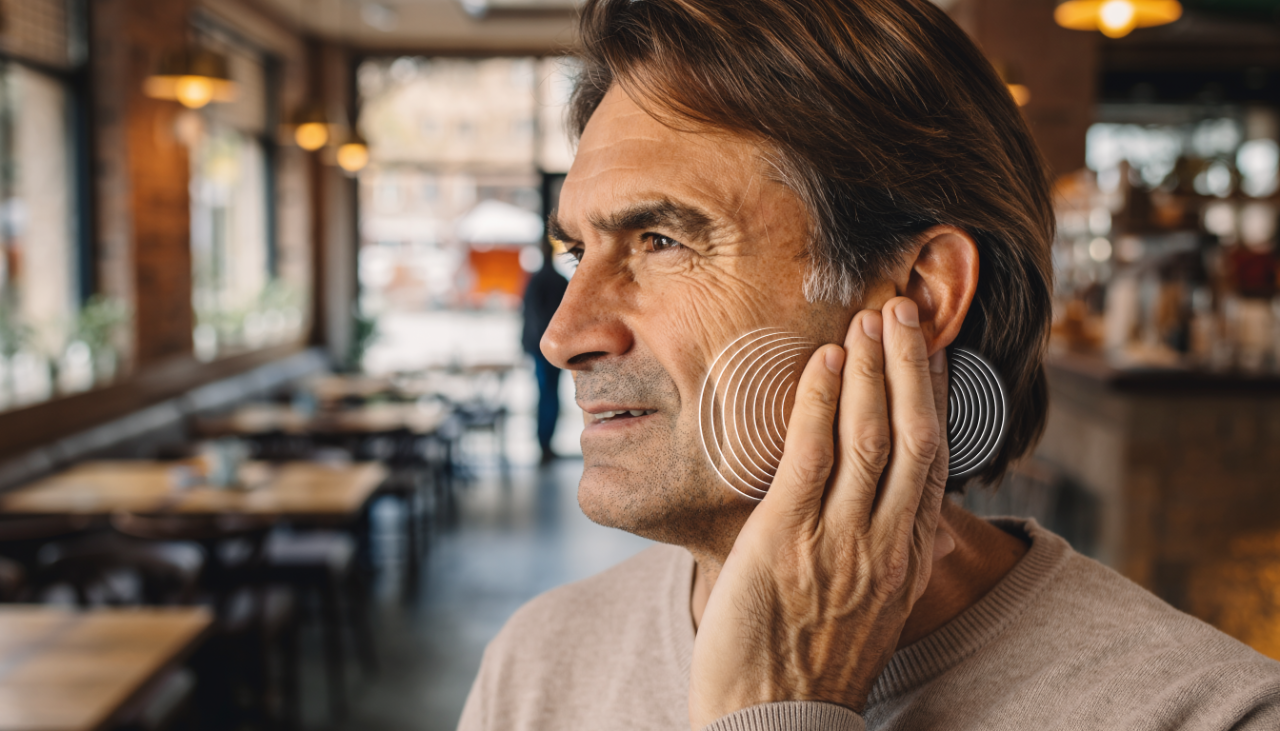
Have you ever noticed a bubble popping noise in ear, perhaps while yawning, swallowing or changing position? Although it may feel unusual, this sensation is more common than you might think and can affect people of all ages. The sound may resemble crackling, a faint fizzing, a bubbling sound in ear, or even a light ringing, sometimes creating discomfort, confusion or the impression that the ear feels “full” or muffled. A recurring bubbling popping noise in ear or an intermittent bubble pop sound in ear can often be linked to Eustachian tube dysfunction.

The Eustachian tube is the structure responsible for balancing pressure between the middle ear and the outside environment. When it does not function properly — due to a cold, allergies or inflammation — pressure changes may lead to small air bubbles forming or shifting within the middle ear, producing the characteristic internal noise. However, this is not the only possible cause. Water trapped in the ear canal after swimming or showering, a build-up of earwax, minor infections, or sudden changes in atmospheric pressure (such as during flights) can also generate bubble-like sounds. In many cases, these episodes are harmless and temporary.

That said, if the bubble popping noise in ear persists, recurs frequently, or is accompanied by pain or hearing loss, it is important to seek medical advice. Identifying the underlying cause is the first step towards restoring everyday hearing comfort and preventing further complications.

Bubble popping noise in ears treatment​s

A bubble-popping or crackling noise in the ears, sometimes accompanied by a sensation of movement, can be disconcerting. Many people describe it as feeling as though something is shifting inside the ear, or as small vibrations in the left or right ear. In most cases, these symptoms are harmless, but they can occasionally indicate a condition that requires medical attention.

  • One of the most frequent causes is Eustachian tube dysfunction. The Eustachian tube connects the middle ear to the back of the nose and throat and helps to regulate air pressure and drain fluid. If it does not open and close properly — often due to a cold, allergies or sinus congestion — pressure imbalances and fluid build-up may occur. This can lead to crackling, popping or bubble-like sounds, particularly when lying down, swallowing or changing position. Simple techniques such as swallowing, yawning, chewing gum or gently performing the Valsalva manoeuvre may help equalise pressure.
  • Another common cause is the presence of a foreign body in the ear, including an insect or an accumulation of earwax. When wax shifts within the ear canal, it may produce itching, a vibrating sensation or the impression of movement.
  • Middle or inner ear infections, such as otitis, can also create pressure and unusual internal sensations. In some instances, involuntary muscle contractions in the middle ear (middle ear myoclonus) may cause rhythmic noises or pulsing feelings.
  • If symptoms are accompanied by vertigo, tinnitus or balance disturbances, an inner ear disorder such as Ménière’s disease may be suspected.
  • Treatment depends on the underlying cause. Avoid inserting objects into the ear canal. A GP or ear, nose and throat specialist can provide an accurate diagnosis and recommend appropriate management, particularly if symptoms persist or worsen.

Bubble popping noise in ears when lying down

Smiling doctor at the hearing station
A bubble-popping noise in the ears when lying down is a relatively common and usually harmless sensation, often linked to changes in pressure within the middle ear rather than a serious illness. One of the main factors involved is the Eustachian tube, a small passage connecting the middle ear to the back of the nose and throat that helps to equalise air pressure and drain fluid. When this tube does not open and close properly — for example due to congestion from a cold, allergies or sinus problems — a pressure imbalance can develop, leading to crackling or bubble-like sounds. These noises are often more noticeable when changing position or lying down. Fluid build-up in the middle ear can also make these sensations more apparent when reclining, as the change in head position may influence how air and fluid move within the ear space. In some cases, mild inflammation of the upper airways contributes to temporary dysfunction of the Eustachian tube. Simple measures such as keeping the head slightly elevated with an extra pillow, staying well hydrated, and addressing nasal congestion may help reduce symptoms. However, if the noise persists, becomes painful, or is accompanied by hearing loss, dizziness or discharge, it is advisable to seek medical advice from a GP or an ear, nose and throat specialist for a proper assessment.

How to prevent bubble popping sound in ears

Experiencing an echoing sound in your ear when you speak, or noticing an uncomfortable crackling or popping noise, can affect everyday comfort and the quality of communication. These symptoms are often linked to pressure changes or dysfunction of the Eustachian tube, but they can usually be prevented or eased with a few simple measures. Here are some practical tips to help reduce echoing in the ear and manage unusual sounds such as clicking or crackling:

Maintain proper ear hygiene

Avoid using cotton buds or sharp objects, as these can push earwax further into the ear canal and contribute to an echoing sensation.

Address nasal congestion

If you have a blocked nose, use decongestants only if advised by your GP or pharmacist. Relieving congestion can improve ear ventilation and help prevent crackling or popping sounds.

Protect your ears from loud noise

Noisy environments may increase auditory sensitivity and discomfort. Wear protective earplugs in high-volume settings.

Stay well hydrated

Drinking plenty of water helps keep mucus thin and supports the proper functioning of the upper airways.

Treat infections promptly

Untreated ear infections or colds can cause or worsen echoing in the ear, particularly when speaking. Seek medical advice at the first signs of pain, pressure, or a blocked sensation.

Have regular hearing checks

From the age of 40 onwards, it is advisable to undergo periodic hearing assessments to monitor your auditory health and address any changes early.

By following these steps, you can help prevent and reduce echoing and crackling sensations in the ears, supporting better hearing comfort and overall wellbeing.

Schedule a free consultation for a better hearing health!
Sign up for a free consultation with a licensed hearing care professional today!

Bubble popping noises in ears on Reddit

  • Many people turn to online forums and platforms such as Reddit to compare experiences of unusual symptoms, including the sound of bubbles popping in the ears. This discomfort can arise in different situations and may be accompanied by other symptoms, often causing concern — although in most cases the underlying causes are not serious.
  • One of the most commonly reported issues is a noise in the ear when blowing the nose. This phenomenon is frequently linked to the Eustachian tube, the canal that connects the middle ear to the throat and helps to regulate pressure. When it becomes inflamed or blocked — for example due to a cold — you may notice a “pop” or crackling sound each time you blow your nose.
  • Another symptom often discussed in forums is noise when moving the head. Some users describe sensations similar to fluid shifting or internal crackling sounds. This may be related to mild inner ear inflammation or a build-up of earwax moving within the ear canal.
  • Many people also report the odd sensation of feeling as though there is something in the ear when, in fact, there is nothing there. This perception is often associated with slight internal pressure, a plug of earwax, or small muscle spasms in the middle ear.
  • Finally, crackling in the ears when swallowing is a common and usually harmless complaint. It is typically caused by pressure changes that occur when the Eustachian tube opens. However, if the discomfort persists or is accompanied by pain, it is always advisable to consult an ear, nose and throat (ENT) specialist.
  • Sharing experiences online can be reassuring, but for an accurate diagnosis and appropriate treatment, seeking professional medical advice is essential..
A man with a white cap and black trunks swimming in a light blue pool
Book a free consultation with a licensed professional!
Sign up for a free consultation with a licensed hearing care professional today!

Bubble popping noise in ears: natural remedies

If you notice a noise in your ear similar to bubbles popping, it may be a temporary discomfort caused by inflammation, pressure changes or a build-up of fluid. This type of ear noise can be irritating, but there are several natural remedies that may help provide relief.

1. Valsalva manoeuvre

Close your mouth, pinch your nose and blow gently. This technique may help open the Eustachian tube, rebalance pressure within the ear and reduce noises, particularly those resembling bubbling or crackling. It should be performed carefully and without excessive force.

2. Warm compresses

Placing a warm, damp cloth over the affected ear may help to loosen secretions and encourage drainage. Make sure the compress is warm rather than hot to avoid the risk of burns.

3. Essential oils

Eucalyptus or peppermint essential oil, used in a diffuser or for steam inhalation, may help to clear the airways and improve ventilation of the middle ear. By easing nasal congestion, this can reduce the bubbling or crackling sensation perceived in the ear. Essential oils should not be placed directly inside the ear canal.

4. Herbal teas

Warm drinks made with chamomile, ginger or mint may offer mild anti-inflammatory benefits and support circulation, potentially aiding the body’s natural recovery process.

While these natural approaches can be helpful in mild cases, it is important to remember that persistent or worsening ear noise should always be assessed by a GP or an ear, nose and throat specialist to identify the underlying cause and determine the most appropriate treatment.

Male doctor holding a stethoscope
Book an appointment with one of our certified audiologists!
Sign up for a free consultation with a licensed hearing care professional today!

Most common causes of sound of popping in ears

The sensation of having an air bubble in the ear is more common than many people realise and may be accompanied by unusual sounds such as crackling, popping or an uncomfortable echoing effect. These symptoms — often described as a popping noise in the ears or as though water were moving inside — can have several causes. In most cases they are temporary, although they may sometimes be linked to conditions affecting the middle ear or the external ear canal.

Middle ear infections

Middle ear infections, such as otitis media, should not be overlooked. They can lead to fluid build-up behind the eardrum. Air bubbles may form within this fluid and, when they shift, can cause splashing or intermittent noises. If symptoms include pain, fever, discharge or hearing loss, it is important to consult an ear, nose and throat specialist.

Fluid in the ear canal

Another common cause is trapped fluid in the ear canal, which can occur after showering, bathing or swimming. If water remains inside and is not properly dried, small bubbles may form and move, producing unusual sounds — particularly if excess earwax is preventing normal drainage.

Barotrauma

Barotrauma and sudden changes in atmospheric pressure, such as during air travel or scuba diving, can also be responsible. Rapid pressure changes within the middle ear may create a strong sense of fullness, echoing or the characteristic popping sound associated with air bubbles.

Eustachian tube dysfunction

One of the most frequent causes is Eustachian tube dysfunction. When this canal becomes inflamed or blocked — for example due to a cold, allergies or pressure changes — air can become trapped, creating the sensation of a bubble. This may result in ear fullness, abnormal sounds and a muffled hearing sensation. The echo of one’s own voice or sudden noises when swallowing or yawning are often linked to the movement of air within the middle ear.

Earwax build-up

Excess earwax may also trap air or water in the ear canal, generating bubble-like sounds and intensifying the perception of echoing.

In summary, the feeling of an air bubble in the ear and the accompanying popping sounds can arise from various conditions, ranging from minor to more significant. If the symptom is short-lived and not associated with other issues, it is usually nothing to worry about. However, if it persists or is accompanied by pressure, pain or hearing loss, seeking specialist medical advice is essential to ensure appropriate diagnosis and treatment.

Eustachian tube and bubble popping noise in ears

The Eustachian tube plays a crucial role in maintaining normal ear function and is often responsible for bubble-popping or crackling noises in the ears. This narrow canal connects the middle ear to the back of the nose and throat, helping to equalise air pressure and allow fluid to drain from the middle ear space. When it opens and closes properly — for example during swallowing or yawning — pressure on either side of the eardrum remains balanced. However, if the Eustachian tube becomes inflamed or blocked, a condition known as Eustachian tube dysfunction may occur. This is commonly triggered by colds, allergies, sinus infections or sudden changes in altitude, such as during air travel. When the tube does not ventilate the middle ear effectively, pressure differences and fluid build-up can develop. As air moves through partially blocked passages or bubbles shift within fluid behind the eardrum, you may hear popping, crackling or bubble-like sounds. These noises are often more noticeable when lying down, swallowing or changing position. They may also be accompanied by a feeling of fullness, mild discomfort or slightly muffled hearing. In most cases, the condition is temporary and improves as congestion settles. Gentle pressure-equalising techniques and treating underlying nasal congestion can help. Persistent or painful symptoms should be assessed by a healthcare professional.

Middle ear infections and popping noises in ears

When the middle ear becomes infected, a build-up of fluid and inflammation can interfere with the normal movement of the eardrum. As a result, the eardrum may vibrate unevenly, which can lead to a popping or bubbling sound.

Symptoms and treatment options for middle ear infections:

  • Pain and discomfort: Middle ear infections commonly cause earache, general discomfort and a sensation of pressure or fullness in the affected ear. Some people may also notice temporary hearing loss.
  • Antibiotics and ear drops: Treatment usually involves a course of antibiotics to clear the infection. In certain cases, medicated ear drops may also be recommended to reduce inflammation and ease symptoms.
  • Prevention strategies: To reduce the risk of middle ear infections, it is important to practise good hygiene, including regular handwashing, avoiding exposure to second-hand smoke, and keeping vaccinations up to date — particularly the pneumococcal vaccine.

Trapped water and bubbling sound in the ears

The presence of fluid in the ear canal is a common reason for unusual sounds, including a bubble popping noise in the ear after a shower. Water or moisture can easily become trapped inside the ear following activities such as showering, bathing, or swimming. When this happens, tiny air bubbles may form within the residual water. As these small bubbles shift position or burst, they can produce crackling, fizzing, or popping sounds that seem to come from deep inside the ear. This sensation is usually harmless and temporary, but it can feel uncomfortable or distracting. It is more likely to occur in people who do not dry their ears thoroughly after getting them wet. When moisture remains in the ear canal, it creates the ideal conditions for bubbles to develop. A build-up of earwax can make the issue more noticeable, as wax may trap water and prevent it from draining naturally, prolonging the bubbling or popping sensation. In most cases, the noise settles once the ear has completely dried. However, persistent moisture may irritate the ear canal and increase the risk of infection. Gently drying the outer ear and managing excess earwax can help reduce the likelihood of experiencing these symptoms.

Bubble popping noise in ears and sinus infection

Certain allergens can contribute to Eustachian tube dysfunction, which may lead to a bubble popping sensation or crackling noise in the ear. Common triggers include pollen, dust mites, pet dander, mould, and even specific foods in some individuals. When exposed to these allergens, the body releases inflammatory chemicals that can cause swelling in the nasal passages and around the Eustachian tubes. This swelling may interfere with normal pressure regulation in the middle ear, resulting in popping or bubbling sounds. Recognising and limiting exposure to these triggers can help ease symptoms.

Management strategies for allergies and sinus problems:

Nasal irrigation

Rinsing the nasal passages with a saline solution, for example using a neti pot or saline spray, can help clear mucus and wash away allergens. This may reduce inflammation and support healthier Eustachian tube function.

Allergy medication

Over-the-counter antihistamines, corticosteroid nasal sprays and decongestants can provide short-term relief from allergy symptoms and help reduce swelling. It is advisable to seek guidance from a healthcare professional before starting any medication.

Avoiding triggers

Minimising contact with known allergens, using air purifiers and keeping living spaces clean and well-ventilated can significantly lower the risk of recurring symptoms and associated ear noises.
Consult an audiologist expert for your hearing health

Eardrum and popping sounds: things to know

Popping sounds in the ear are often linked to the movement and function of the eardrum (tympanic membrane). The eardrum is a thin, delicate layer of tissue that separates the outer ear from the middle ear. Its main role is to vibrate in response to sound waves, allowing us to hear clearly. However, it also reacts to changes in air pressure and fluid levels within the ear.

  • Change in pressure: One of the most common reasons for a popping sensation is a change in pressure between the middle ear and the outside environment. This frequently occurs during air travel, driving at high altitude or even when yawning or swallowing. The Eustachian tube helps regulate this pressure, and when it opens suddenly, a popping sound may be heard.
  • Colds, allergies or infections: Fluid build-up behind the eardrum, often due to colds, allergies or infections, can also alter how the eardrum moves. This may create crackling or bubble-like noises. In most cases, occasional popping is harmless and resolves on its own.

However, if popping sounds are persistent, painful or accompanied by hearing loss, dizziness or discharge, medical advice should be sought. Proper assessment ensures that underlying conditions are identified and treated appropriately.

Medical conditions linked to sounds of popping in ears

Experiencing a bubbling sensation or the feeling of a bubble popping in the ear is unusual, yet not uncommon. It may be temporary, but if it persists or occurs alongside other symptoms, medical assessment is advisable to determine the underlying cause.

Temporomandibular Joint (TMJ) Disorder

Temporomandibular joint disorder affects the joint that connects the lower jaw to the skull, located close to the ear. If the joint becomes inflamed or misaligned, it can produce clicking, popping or crackl

Ménière’s disease

Ménière’s disease is a disorder of the inner ear linked to an abnormal build-up of fluid (endolymph). This excess fluid can interfere with balance and hearing, leading to episodes of vertigo, fluctuating hearing loss, tinnitus and a sensation of pressure in the ear. Some individuals also report bubbling or popping sounds due to changes in inner ear pressure.

Patulous Eustachian tube

A patulous Eustachian tube occurs when the tube connecting the middle ear to the back of the nose remains abnormally open. This can cause unusual auditory sensations, including popping or bubbling noises, as well as hearing one’s own breathing or voice more loudly than normal (autophony).

Bullous myringitis

Bullous myringitis is a painful infection of the eardrum caused by viruses or bacteria, often following a cold or flu. It is characterised by small fluid-filled blisters on the tympanic membrane. These blisters can cause sharp pain, a feeling of fullness and bubble-like popping sounds due to fluid build-up behind the eardrum.

If bubble popping noises persist or are accompanied by pain, dizziness or hearing changes, it is important to consult an ear, nose and throat specialist for a thorough evaluation and appropriate treatment.

Bubble popping noise in ears and wax build-up

Rumbling noise
Rumbling noise

A bubble popping noise in the ears can sometimes be linked to a build-up of earwax. Earwax, also known as cerumen, is a natural substance produced by glands in the ear canal. It plays an important role in protecting the ear by trapping dust, debris and microorganisms. Normally, earwax moves gradually out of the ear on its own. However, when too much wax accumulates, it can block the ear canal and interfere with normal sound transmission.

When earwax traps moisture — for example after showering or swimming — tiny air pockets may form within the blockage. As these small pockets shift or burst, they can create crackling or bubbling sounds that resemble bubbles popping inside the ear. The sensation may become more noticeable when moving the jaw, tilting the head or touching the outer ear.

In addition to unusual noises, wax build-up can cause a feeling of fullness, reduced hearing, mild discomfort or even dizziness in some cases. Attempting to remove wax with cotton buds or sharp objects can push it further inside and worsen the problem. If symptoms persist, it is advisable to seek professional advice. A pharmacist, GP or audiologist can safely assess and remove excess wax using appropriate methods such as microsuction or irrigation.

Bubble popping noise in ears and ear infections

A bubble popping noise in the ears can be linked to an ear infection, especially when it occurs alongside pain or fluid discharge. Infections may affect either the outer ear (otitis externa) or the middle ear (otitis media). In both situations, inflammation and fluid build-up can interfere with the normal vibration of the eardrum, creating crackling, fizzing or intermittent popping sounds. Middle ear infections, such as otitis media, should not be underestimated. They can cause a build-up of fluid behind the eardrum. Within this trapped fluid, small air bubbles may form and, as they move, produce splashing or irregular noises inside the ear. This sensation can feel like bubbles bursting deep within the ear canal. If pressure increases significantly, fluid may begin to drain from the ear. The discharge can appear clear, yellowish or occasionally blood-stained. Additional symptoms may include earache, fever, a feeling of fullness and reduced hearing. These signs suggest that medical assessment is necessary. If bubbling noises persist or are accompanied by pain, fever, discharge or hearing loss, it is always advisable to consult an ear, nose and throat specialist. Prompt evaluation ensures accurate diagnosis and appropriate treatment, helping to prevent complications and support recovery.

Schedule a free consultation: check your hearing health!
Sign up for a free consultation with a licensed hearing care professional today!

Popping noises in ear: how to stop bubbling in ears

Addressing crackling in the ears first requires identifying the underlying cause. Once any serious conditions have been ruled out, a range of remedies can help relieve symptoms and improve auditory comfort.

1. Pressure equalisation manoeuvres

When the discomfort is linked to a crackling Eustachian tube, pressure equalisation techniques can be highly effective. The most common include:

  • Valsalva manoeuvre: take a deep breath, pinch your nose closed and gently attempt to breathe out with your mouth shut. The resulting pressure may help open the Eustachian tube.
  • Toynbee manoeuvre: swallow while keeping your nose pinched closed. This technique also helps to rebalance middle ear pressure.
  • Chewing gum or frequent yawning: these actions stimulate the muscles around the Eustachian tube and can relieve the sensation of crackling.

2. Nasal decongestants and antihistamines

If symptoms are associated with a cold, sinusitis or allergies, decongestant nasal sprays or antihistamines may reduce inflammation and support proper drainage of the Eustachian tube. These medications can help resolve crackling caused by congestion.

3. Earwax removal

An excessive build-up of earwax can create a feeling of pressure and lead to crackling sounds. In such cases, softening ear drops may be used, or it is advisable to consult a healthcare professional for safe and effective removal.

4. Physical or speech therapy

When the issue is related to the jaw or muscular dysfunction, a course of physiotherapy, osteopathy or speech therapy may be beneficial. These approaches can help relax the temporomandibular joint (TMJ) and improve muscular coordination.

5. Specialist consultation

If crackling persists, it is important to seek advice from an ear, nose and throat (ENT) specialist. The clinician can rule out middle ear infections, chronic Eustachian tube dysfunction or more complex conditions, and may recommend targeted treatments such as tubal insufflation or, in more severe cases, transtympanic drainage.

Crackling or echoing ear: remedies

The sensation of an ear that crackles or echoes can be uncomfortable and, at times, concerning. These symptoms are often linked to altered pressure in the middle ear or impaired Eustachian tube function. An echoing sensation may also be perceived as hearing one’s own voice unusually loudly (autophony) or as a feeling of muffled hearing that interferes with normal sound perception.

1. Eustachian tube exercises

  • The Valsalva and Toynbee manoeuvres remain the most common techniques for restoring ventilation of the tube and reducing echoing or crackling.
  • Forced yawning or frequent chewing may help in mild cases, such as during air travel or when experiencing a cold.

2. Earwax removal

  • A plug of earwax can cause an echoing sensation by interfering with sound transmission. It is important to avoid attempting removal with cotton buds and instead seek professional care.

3. TMJ assessment

  • If crackling occurs during chewing or jaw movement, the temporomandibular joint (TMJ) may be involved. In such cases, targeted exercises, a night guard (bite splint), or physiotherapy may be beneficial.

4. Specialist evaluation

  • If symptoms persist for more than a few days or are accompanied by pain, dizziness or hearing loss, it is advisable to consult an ENT specialist for a thorough assessment and appropriate treatment.
Book a consultation with a certified hearing specialist
Sign up for a free consultation with a licensed hearing care professional today!

Bubble popping noise in ear and pain: things to know

A bubble popping noise in the ear accompanied by pain can be unsettling.

  • In many cases, this sensation is linked to changes in pressure within the middle ear, often caused by Eustachian tube dysfunction. The Eustachian tube helps regulate pressure and drain fluid from the middle ear. When it becomes blocked due to a cold, allergies or sinus congestion, pressure can build up and create popping, crackling or bubbling sounds, sometimes with discomfort.
  • Ear infections are another common cause. In cases of otitis media, fluid accumulates behind the eardrum and may produce bubbling noises alongside pain, a feeling of fullness and occasionally reduced hearing. Swimmer’s ear (otitis externa) can also lead to pain, though it is usually associated with tenderness when touching the outer ear.
  • Earwax build-up may contribute as well. A blockage can alter sound transmission and create unusual noises, sometimes combined with pressure-related discomfort.
  • While mild symptoms often resolve on their own, persistent pain, fever, dizziness or hearing loss should not be ignored. If the bubbling noise lasts more than a few days or worsens, it is advisable to seek medical advice. An examination by a healthcare professional can identify the underlying cause and determine the most appropriate treatment.

Bubble popping noise in ear with no pain: is it dangerous?

Phonak Titanium hearing aid
Hearing a bubble popping noise in your ear without any pain can feel strange, but in most cases it is not dangerous. This sensation is often linked to minor pressure changes in the middle ear. The Eustachian tube, which connects the middle ear to the back of the nose, helps regulate air pressure and drain fluid. When it opens and closes—such as during swallowing, yawning or changes in altitude—you may notice soft popping or bubbling sounds. Colds, mild allergies or sinus congestion can also cause temporary fluid build-up behind the eardrum. As the fluid shifts or drains naturally, it may create a bubbling sensation without causing discomfort. In some cases, a small amount of earwax moving within the ear canal can produce similar noises. If there is no pain, hearing loss, dizziness or discharge, the symptom is usually harmless and tends to resolve on its own. Simple actions such as swallowing, chewing gum or gently equalising pressure may help. However, if the bubbling noise persists for more than a couple of weeks, becomes more frequent, or is accompanied by muffled hearing or balance issues, it is advisable to consult a healthcare professional for reassurance and appropriate evaluation.

Bubble popping noise in ears when blowing your nose

  • Hearing a bubble popping noise in your ears when blowing your nose is quite common, especially if you have a cold or nasal congestion. This sensation is usually linked to the Eustachian tubes, the small passages that connect the middle ear to the back of the nose. Their role is to regulate pressure and allow fluid to drain from the middle ear.
  • When you blow your nose, pressure increases in the nasal cavity. If the Eustachian tubes are partially blocked due to inflammation — as often happens during a cold or COVID-19 — air can be forced into the middle ear. This may create a bubbling, crackling or popping sound. In some cases, there may also be a feeling of fullness or mild discomfort.
  • During viral infections such as COVID-19, swelling of the nasal passages and increased mucus production can interfere with normal ear ventilation. The trapped fluid or pressure imbalance may temporarily affect hearing clarity. 
  • Usually, these noises are harmless and improve as the congestion resolves. However, forceful nose blowing should be avoided, as it can worsen pressure changes. If symptoms persist, become painful, or are accompanied by hearing loss, fever or dizziness, it is advisable to seek medical advice to rule out a middle ear infection or other complications.
Doctor fitting a headset on a patient
Take time to check your hearing health!
Sign up for a free consultation with a licensed hearing care professional today!

Bubble popping noise in ears and dizziness

Experiencing a noise in the ear like bubbles popping together with dizziness can be unsettling and may indicate an issue involving the middle or inner ear. The ears play a crucial role not only in hearing but also in maintaining balance. When something interferes with these systems, symptoms such as vertigo, light-headedness or unsteadiness can occur alongside unusual sounds.

  • A common cause is Eustachian tube dysfunction. When the tube becomes blocked due to a cold, allergies or sinus congestion, pressure can build up in the middle ear. As fluid shifts or air moves through the partially closed passage, you may notice a noise in the ear like bubbles popping. The associated pressure imbalance can also contribute to mild dizziness.
  • Inner ear conditions, such as viral infections or inflammation of the vestibular system, may produce similar symptoms. In these cases, dizziness can be more pronounced and may be accompanied by nausea or balance difficulties. Excess fluid in the inner ear can also disrupt normal signals to the brain.
  • While occasional mild symptoms may resolve on their own, persistent dizziness, worsening imbalance, hearing loss or ringing in the ears should not be ignored. A medical assessment can help identify the underlying cause and determine appropriate treatment.

Bubble popping noise in ear when yawning or swallowing

Hearing a bubble popping noise in your ear when yawning or swallowing is usually a normal and harmless sensation. These actions activate the muscles that open the Eustachian tubes — small passages that connect the middle ear to the back of the nose. Their function is to regulate air pressure and allow fluid to drain from the middle ear. When you yawn or swallow, the Eustachian tubes briefly open to equalise pressure between the middle ear and the outside environment. As air moves through the tubes, you may hear a soft popping, crackling or a noise in the ear like bubbles popping. This is particularly common during altitude changes, such as on a plane, or when you have mild nasal congestion. If you have a cold, allergies or sinus inflammation, the lining of the Eustachian tubes can swell. This may make the popping sounds more noticeable and sometimes create a feeling of fullness or slight muffled hearing. In most cases, these noises are temporary and not a cause for concern. However, if the bubbling sound is persistent, painful, or accompanied by hearing loss, dizziness or ringing in the ears, it is advisable to consult a healthcare professional for further evaluation.

Pop noises in ears: medical treatments

When popping noises in the ears, crackling in the ear, a grating sensation, or the feeling of ears that “creak” becomes persistent and natural remedies are no longer effective, it is important to seek medical advice. Following a thorough assessment, a specialist can recommend appropriate pharmacological treatment or, in some cases, surgical intervention to address the root cause of the problem.

Medications to treat underlying causes

Depending on the diagnosis, treatment may include:

  • Antihistamines: helpful in reducing allergic reactions and relieving symptoms linked to allergies and sinus congestion.
  • Decongestants: nasal sprays or oral decongestants can ease nasal blockage and improve Eustachian tube function.
  • Corticosteroids: steroid medications may reduce inflammation in the ear and are sometimes used in conditions such as Ménière’s disease.
  • Antibiotics: prescribed when a bacterial ear infection is identified.
  • Anti-anxiety medication: where stress and anxiety significantly worsen symptoms, short-term use may be considered under medical supervision.

Surgical options for more severe cases

  • If lifestyle adjustments and medication do not provide sufficient relief, surgical procedures may be considered.
  • For Eustachian tube dysfunction, options such as balloon dilation or insertion of tympanostomy (grommet) tubes may help restore proper ventilation.
  • In cases of temporomandibular joint (TMJ) disorder, surgical approaches such as arthroscopy may be recommended.

Consulting a specialist is essential to determine the exact cause and select the most suitable treatment.

Doctor measuring a patient's hearing level
Book here a free hearing health consultation!
Sign up for a free consultation with a licensed hearing care professional today!

Constant bubble popping noise in ears: causes

A constant bubble popping noise in the ears can be distracting and concerning. This sensation is often described as a crackling, fizzing or a noise in the ear like bubbles popping repeatedly. Several underlying causes may explain this symptom.

Eustachian tube dysfunction

Eustachian tube dysfunction is one of the most common reasons. When the Eustachian tubes do not open and close properly, pressure in the middle ear becomes unbalanced. Air and fluid movement can create persistent bubbling or popping sounds.

Middle ear fluid (otitis media with effusion)

Middle ear fluid (otitis media with effusion) may also be responsible. Fluid trapped behind the eardrum can shift with head movements, producing a bubbling noise and sometimes mild hearing changes.

Ear infections

Ear infections can cause inflammation and fluid build-up, leading to unusual sounds along with pain or pressure. However, in some cases, noise may occur even without significant discomfort.

Excess earwax

Excess earwax is another possible cause. A build-up in the ear canal can interfere with normal sound transmission and create crackling or popping sensations.

TMJ disorders

Less commonly, temporomandibular joint (TMJ) disorders may produce noises that seem to come from the ear, especially during jaw movement.

If the bubbling noise is constant, worsening, or accompanied by hearing loss, dizziness or pain, medical evaluation is recommended to identify the exact cause and determine appropriate treatment.

When to seek medical attention

With ear, nose and throat (ENT) concerns, certain warning signs should never be overlooked. These symptoms may point to a more serious underlying condition and require prompt medical assessment. Recognising these red flags early can help prevent complications, including those affecting the eardrum or middle ear.

Sudden and severe pain

If you experience abrupt, intense pain in the ear, nose or throat, it may indicate a significant infection, inflammation or injury. This includes a severe earache, extreme sore throat or intense facial pain. Ignoring persistent or worsening pain can delay diagnosis and lead to further complications.

Difficulty breathing or swallowing

Breathing difficulties or problems with swallowing should always be treated as urgent. These symptoms may suggest airway obstruction, severe infection or swelling in the throat. Shortness of breath, a choking sensation or ongoing difficulty swallowing require immediate medical attention.

Uncontrolled bleeding

Bleeding from the nose, throat or ear that does not stop quickly may signal trauma or an underlying medical condition. Significant blood loss can increase the risk of infection or other complications, so prompt evaluation is essential.

The importance of consulting a healthcare professional

If symptoms are severe, persistent or worsening, seeking advice from a qualified healthcare professional is crucial. An otolaryngologist (ENT specialist) can carry out a thorough examination, identify the underlying cause and recommend the most appropriate treatment.

With you on your journey to better hearing.

It's time to finally treat your hearing loss. Sign up for a free consultation with a licensed hearing care professional today to determine if you have hearing loss. It’s the start of your journey towards better hearing.

EarPros benefits:

  • Free no obligation hearing test
  • best partner with more than 1,000 clinics globally

Please use a valid US zipcode.

Please use a valid zipcode.

Thank you for submitting your request

We will get in touch with you as soon as possible.

Related Articles:

Profile of a woman with a vectorial representation of sound on the ear

Hearing health

Crackling in ear: treatments & causes

Read more
A grandfather hugging his grandchild

Hearing health

Clicking in ears: treatments and causes

Read more
Young woman expressing pain

Hearing health

Fluttering and vibrations in ears

Read more
Young girl covering her ear with her hand because of the pain

Hearing health

Things to know about clogged ears

Read more