What to do with old hearing aids
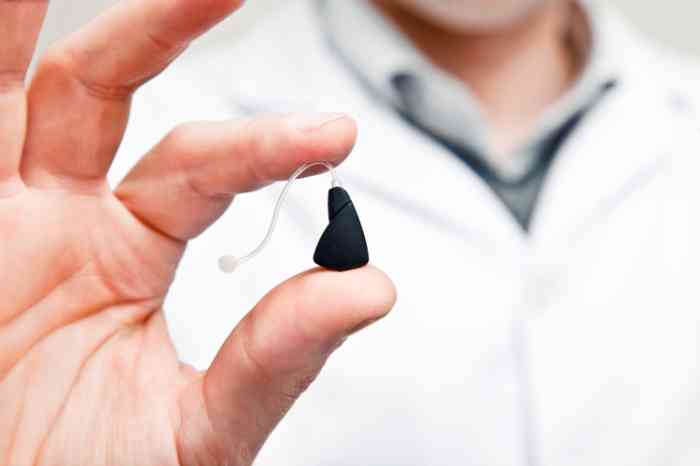
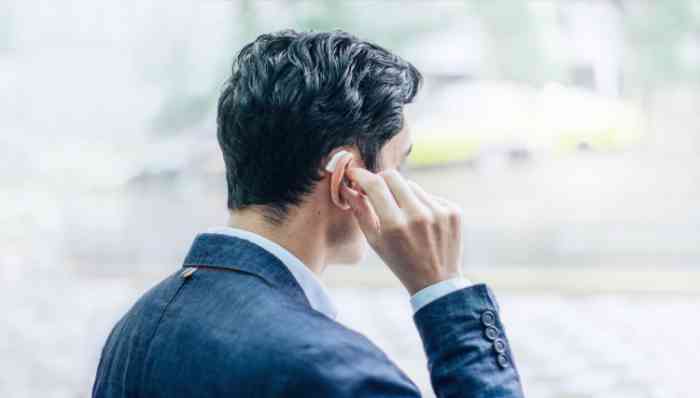
When your hearing aids are no longer the right fit—whether you’ve upgraded your technology or simply no longer need the device—there are several meaningful options to consider. Understanding what to do with old hearing aids can help you make a choice that benefits others and supports sustainability. This question also often comes up in sensitive situations, such as what to do with hearing aids when someone dies, and the options are very similar: repurpose, donate, or recycle.
Donate hearing aids
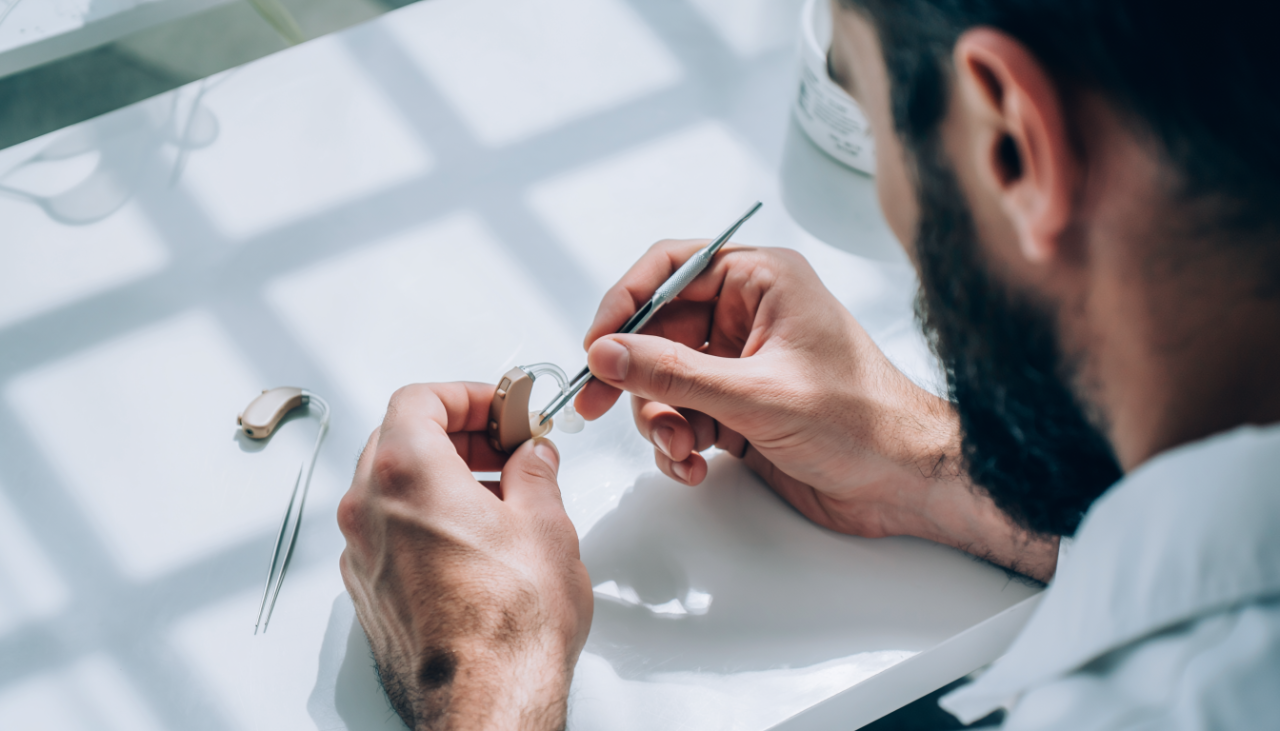
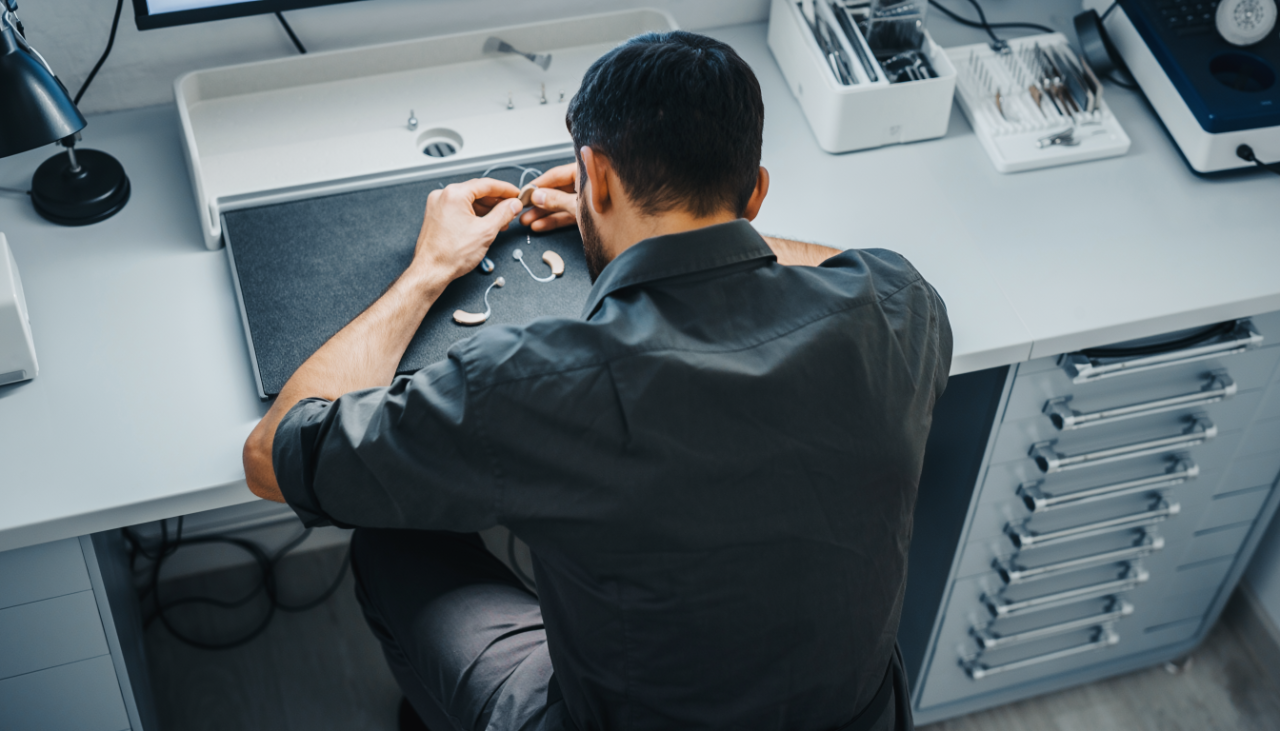
Choosing to donate used hearing aids is one of the most effective ways to help someone who cannot afford new devices. Many organizations refurbish donated hearing aids and distribute them to both children and adults in need. By donating, you give the device a second life and make a direct impact on someone’s daily communication.
Recycle hearing aids
If the devices are too old or damaged to be reused, recycling hearing aids is a responsible alternative. Specialized programs can recover valuable materials from the electronics, reducing waste and supporting sustainability. This option ensures the devices are disposed of safely while still contributing to environmental protection.
Where to donate hearing aids
If you’re looking for clear and easy options on where to donate hearing aids, several trusted channels accept used devices and make sure they reach people who need them most. Here are some of the most reliable choices:
Local nonprofits
- Many local nonprofits run small but effective hearing aid donation programs. They refurbish devices and distribute them within the community, ensuring your contribution stays close to home.
International hearing aid donation programs
- Global organizations—such as Lions Club —collect used hearing aids, restore them, and deliver them to underserved regions worldwide. These programs are known for their structured distribution networks and long-standing humanitarian work.
Audiology clinics & hospitals
- Most audiology clinics and some hospitals collaborate with hearing aid donation initiatives. You can often drop off devices during an appointment, and staff will forward them to certified refurbishing partners.
Senior centers & community groups
- Local senior centers, community clubs, and social service groups frequently organize hearing aid donation drives. These smaller programs help connect donated devices with low-income seniors or community members in need.
Manufacturer & retailer recycling programs
- Some manufacturers and retailers participate in hearing aid recycling and donation systems. While not available everywhere, certain retailers—even select Costco hearing aid donation partners—collect used devices and send them to refurbishing organizations.
These options make it simple to choose a donation path that fits your preferences, whether you want to support local communities or contribute to worldwide hearing health efforts.
Can i donate hearing aids to charity?

How to donate hearing aids step-by-step
Donating hearing aids is simple when you follow these clear steps:
- Gather your devices: Collect your hearing aids along with any accessories, such as batteries, chargers, or cases. Make sure they are functional or can be repaired.
- Choose a donation program: Select a reputable organization, clinic, or charity, such as local nonprofits, Lions Club hearing aid donation programs, or manufacturer recycling initiatives.
- Clean and prepare: Gently clean the hearing aids and package them securely. Include any instructions or documentation if required.
- Drop-off or ship: Deliver the package to the designated drop-off location or follow the organization’s shipping guidelines.
- Confirm your donation: If possible, get confirmation that your hearing aids have been received and will be refurbished or distributed to someone in need.
Can you resell hearing aids?
Technically, it is possible to resell hearing aids, but there are important considerations to keep in mind. Hearing aids are medical devices that are often customized to the user’s specific hearing needs, so reselling them without proper evaluation can be ineffective or even unsafe. Many states and countries also have regulations restricting the sale of used hearing aids. Instead of reselling, donating or recycling hearing aids is usually a safer and more impactful option, allowing someone in need to benefit from the device while ensuring it is properly refurbished and fitted by a professional.
Benefits of hearing aid donation
Donating hearing aids offers a range of important benefits, especially for communities and individuals in need:
- Helping low-income communities: By donating hearing aids, you provide access to life-changing technology for those who may not be able to afford it. Programs often accept donations specifically to donate used hearing aids to veterans, low-income seniors, and children, helping them improve communication, independence, and quality of life.
- Supporting global hearing health initiatives: Many organizations refurbish and distribute donated hearing aids to underserved regions worldwide. Your donation can contribute to international programs that reduce hearing loss barriers, improve education outcomes, and enhance social inclusion for people in need.
- Tax deduction benefits: Donations to registered charities often qualify for tax deductions. By giving your old hearing aids, you not only help someone regain their hearing but can also receive a financial benefit when filing taxes, making the act of giving both meaningful and practical.
Hearing aid donation tax deduction value
** Some images in this article were generated using artificial intelligence.