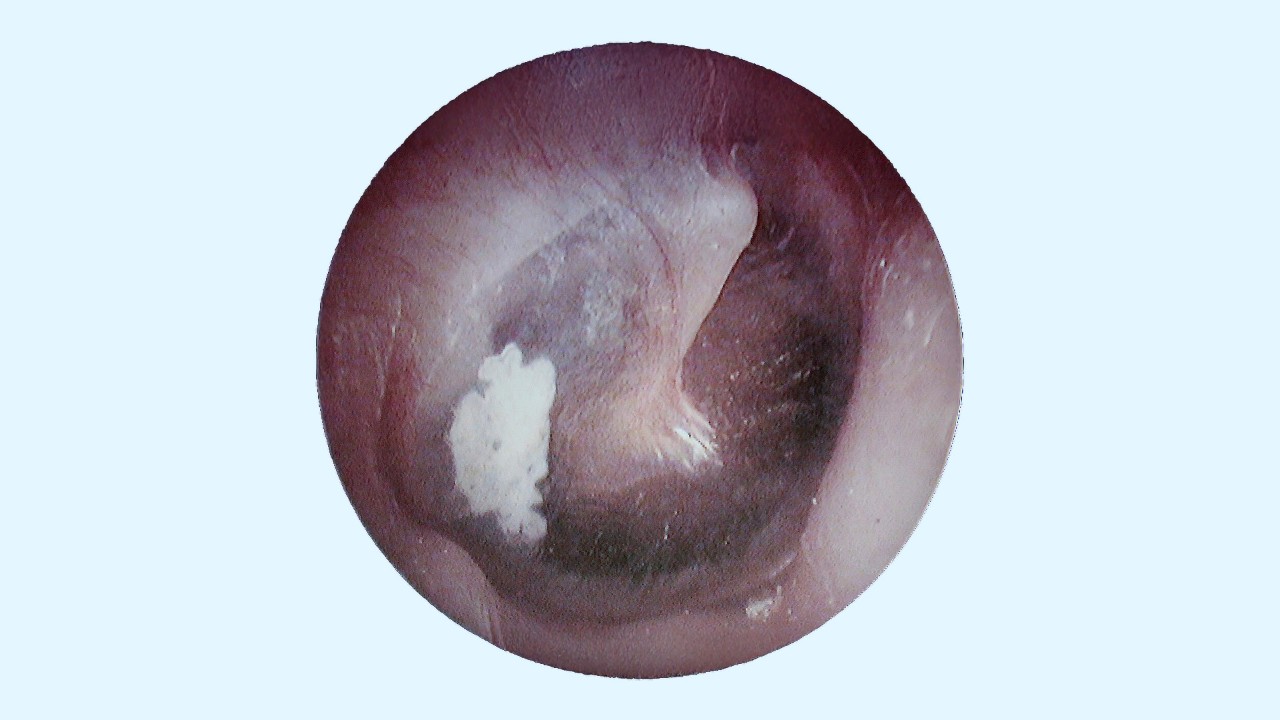
Tumors in ear

Ear health is essential for hearing, balance, and overall well-being. Changes in or around the ear, whether caused by growths, infections, or other conditions, can signal underlying issues. Recognizing symptoms early and understanding possible causes is key to timely treatment and maintaining healthy ears.
What is an ear tumor?
An ear tumor is an abnormal growth that develops in any part of the ear, including the outer, middle, or inner ear. These growths can be benign, causing minimal health issues, or malignant, potentially affecting hearing and balance. While some ear neoplasms may produce noticeable symptoms, others can go undetected for some time, making awareness and regular checkups important.
Difference between cyst and tumor in ear
A cyst in the ear is a closed sac filled with fluid or semi-solid material, usually benign and slow-growing, often caused by blocked glands or minor infections. A tumor, on the other hand, is an abnormal growth of tissue that can be benign or malignant, with the potential to affect surrounding structures and cause more serious symptoms. While both may appear as lumps, tumors typically require closer medical evaluation to determine their nature and appropriate treatment.

Types of ear tumor
Benign (non cancerous)
Benign ear tumors are non-cancerous growths that typically grow slowly and do not spread to other parts of the body. The main types include:
- Osteoma
- Exostoses
- Adenoma
- Ceruminous gland adenoma
- Papilloma
- Hemangioma
- Acoustic neuroma (schwannoma)
- Paraganglioma (glomus tumor, when non-malignant)
- Cholesteatoma
Malignant (cancerous)
Malignant ear tumors are cancerous growths that can invade surrounding tissues and, in rare cases, spread to other parts of the body. The main types include:
- Squamous cell carcinoma (SCC)
- Basal cell carcinoma (BCC)
- Ceruminous gland carcinoma
- Adenoid cystic carcinoma
- Melanoma of the ear
- Acinic cell carcinoma
- Rhabdomyosarcoma (rare, more common in children)
- Malignant paraganglioma
Where ear tumors develop
Ear tumors can appear in different areas of the ear and the surrounding structures.
Growths around the ear usually involve the skin or soft tissues near the pinna, while a tumor behind the ear may originate from lymph nodes, skin lesions, or the underlying bone. A tumor in the ear lobe typically forms in the soft tissue and is often benign, though malignant lesions can also occur. Tumors of the outer ear affect the visible ear or ear canal, while those in the middle ear may interfere with sound transmission. Inner ear tumors are less common but can impact hearing and balance due to their proximity to the cochlea and vestibular system.
Pinpointing the exact location helps determine the likely cause, associated symptoms, and best treatment options.
Causes and risk factors of an ear tumor
Ear tumors can develop for several reasons, and while some causes are identifiable, others remain unclear. Both benign and malignant tumors may arise from a combination of environmental, genetic, and health-related factors. The most common causes and risk factors include:
- Chronic ear infections or long-term inflammation
- Exposure to ultraviolet (UV) radiation (especially for outer ear skin cancers)
- Genetic predisposition or family history of tumors
- Age, with certain tumors more common in older adults
- Exposure to environmental toxins or chemicals
- Radiation exposure to the head or neck
- Compromised immune system
- History of skin cancer or precancerous lesions
- Recurrent trauma to the ear canal or outer ear
Ear tumor symptoms
Signs of tumor in the outer ear
- Lump or swelling on the ear or in the ear canal
- Redness or changes in skin texture
- Pain or tenderness in the affected area
- Itching inside the ear canal
- Discharge from the ear
- Partial hearing loss if the ear canal is blocked
- Bleeding or ulceration in malignant cases
Signs of tumor in the middle ear
- Hearing loss, often progressive
- Ear fullness or pressure
- Persistent or recurrent ear infections
- Fluid or pus discharge from the ear
- Tinnitus (ringing or buzzing sounds)
- Pain in or around the ear
- Difficulty with sound transmission, leading to muffled hearing
Signs of tumor in inner ear
- Hearing loss, which may be gradual or sudden
- Tinnitus (ringing, buzzing, or humming)
- Balance problems, dizziness, or unsteadiness
- Vertigo and nausea in severe cases
- Feeling of fullness in the ear
- Facial weakness or numbness if the tumor affects nearby nerves
Signs of benign ear tumor
- Mild or intermittent hearing loss
- Occasional ear discomfort or pressure
- Visible lump in or around the ear
- Itching or irritation in the ear canal
- Minor tinnitus (ringing or buzzing)
- Rare balance disturbances if the tumor presses on inner ear structures
- Slow-growing swelling behind or on the ear
- Typically painless or causing only mild discomfort
Signs of malignant ear tumor
- Progressive hearing loss, sometimes sudden
- Persistent ear pain or throbbing sensation
- Bleeding or foul-smelling discharge from the ear
- Noticeable lump or mass in or around the ear
- Severe tinnitus (ringing, buzzing, or humming)
- Balance problems or dizziness due to inner ear involvement
- Swelling behind the ear or in nearby tissues
- Facial weakness or numbness in advanced cases

How to know if you have an ear tumor
You may suspect an ear tumor if you notice persistent symptoms such as hearing loss, ear pain, a lump in or around the ear, discharge, or changes in balance that don’t improve over time. These signs don’t always indicate a tumor, but they should be checked by a healthcare professional, who can perform an examination, hearing tests, and imaging studies to confirm what’s causing them.
If a tumor is diagnosed and requires removal, the procedure may fall under specific surgical billing categories, such as the 21554 CPT code used for certain types of soft-tissue tumor excisions. Only a specialist can determine the correct diagnosis and whether surgery is needed.
Treatment options for an ear tumor
Surgical treatment
Radiation therapy
Chemotherapy
Monitoring and observation
Possible side effects of ear cancer surgery
Surgery to remove an ear tumor can be highly effective, but it may also carry some side effects depending on the tumor’s size, location, and complexity of the procedure.
Common side effects include temporary or permanent hearing loss, pain or discomfort at the surgical site, swelling or bruising, and changes in the appearance of the ear. In some cases, surgery may affect balance or cause facial weakness if nearby nerves are involved. Patients may also experience infection or delayed healing.
Most side effects are manageable with proper post-operative care, and discussing potential risks with a surgeon before the procedure is essential.
FAQs about ear tumor
Can ear tumor kill you?
Is cancer in the ear painful?
Can ringing in ears be a tumor?