Tympanosclerosis

Tympanosclerosis is a condition that affects the eardrum and middle ear, often going unnoticed in its early stages. While it may not always cause obvious symptoms, understanding this condition is important for maintaining ear health and preventing potential hearing problems.
Tympanosclerosis symptoms
Tympanosclerosis may sometimes be asymptomatic, but when symptoms do appear, they can include:
- Hearing loss – Often mild to moderate, depending on the extent of calcification and whether the ossicles are involved.
- Ear fullness or pressure – A sensation of fullness in the affected ear.
- Tinnitus – Ringing, buzzing, or other noises in the ear.
- Recurrent ear infections – More common if tympanosclerosis developed after chronic otitis media.
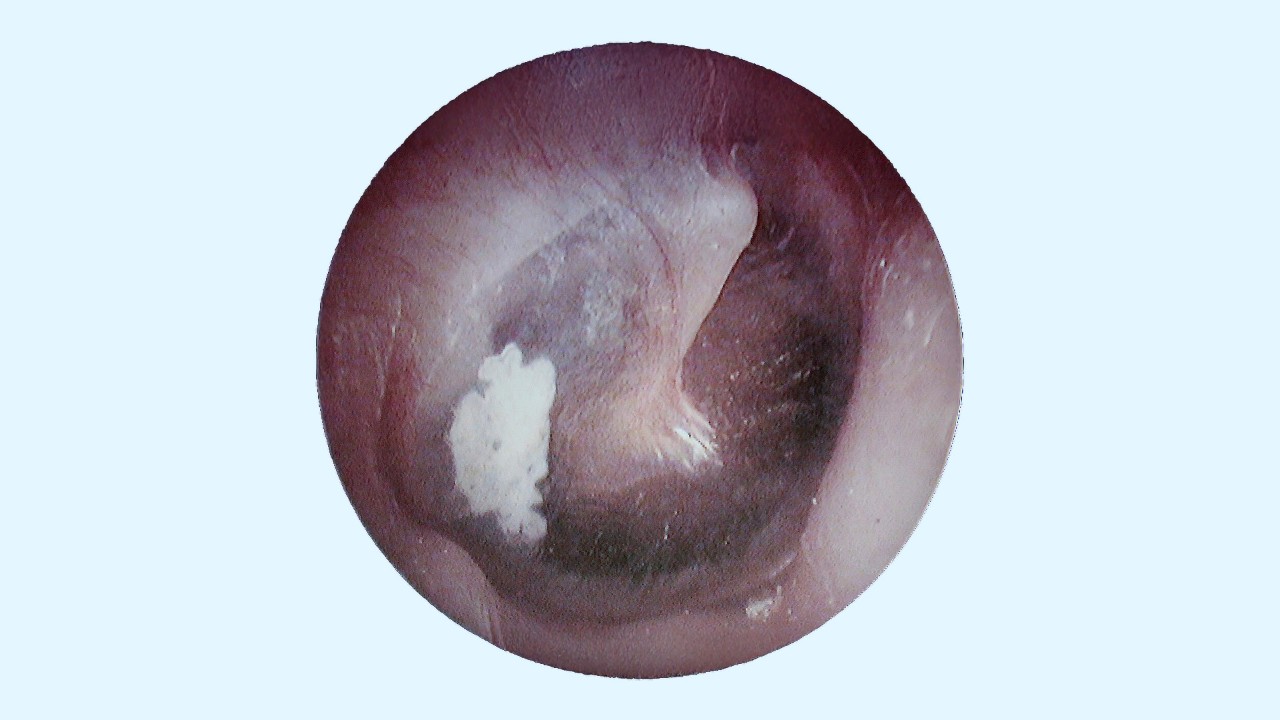
- Visible white or chalky plaques on the eardrum – Observed during an otoscopic examination, indicating the presence of tympanosclerosis.
- Difficulty with sound conduction – If the ossicles are affected, the transmission of sound to the inner ear may be impaired.
Stages of tympanosclerosis
Early stage
The eardrum shows mild whitish plaques with minimal thickening. Hearing is usually normal or only slightly affected.
Intermediate stage
Plaques become larger and more pronounced. Stiffening of the eardrum or ossicles may begin, potentially causing mild conductive hearing loss.
Advanced stage
Extensive calcification affects both the tympanic membrane and ossicles. This can lead to significant stiffening and moderate to severe hearing loss, sometimes requiring surgical intervention.
Tympanosclerosis vs. cholesteatoma
Tympanosclerosis and cholesteatoma are both conditions that affect the middle ear, but they differ significantly in cause, appearance, and potential complications.
Tympanosclerosis involves calcification and scarring of the tympanic membrane or middle ear structures, often following chronic inflammation, and usually results in stiffening of the eardrum and mild to moderate hearing loss.
In contrast, a cholesteatoma is an abnormal growth of skin cells in the middle ear that can erode surrounding structures, including the ossicles and even the temporal bone, potentially causing more severe hearing loss, dizziness, and infections.
While tympanosclerosis is typically a non-progressive, relatively stable condition, cholesteatomas are progressive and can lead to serious complications if left untreated.
Tympanosclerosis causes and risk factors
Several factors can contribute to the development of tympanosclerosis, often related to chronic inflammation or trauma in the middle ear. Common causes and risk factors include:
- Chronic ear infections – Recurrent otitis media can trigger changes in the eardrum.
- History of ear surgery – Procedures like tympanostomy or myringotomy may increase the risk.
- Tympanic membrane perforation – Previous eardrum damage can lead to scarring and calcification.
- Age and repeated inflammation – Older adults or individuals with frequent ear infections are more susceptible.
- Genetic predisposition – Some people may be more prone to abnormal tissue calcification.
Understanding these causes can help in early detection and preventive care, reducing the risk of long-term hearing problems.
Does tympanosclerosis cause hearing loss?
Tympanosclerosis treatment options
Tympanosclerosis surgery cost
Tympanosclerosis diagnosis and classification
The diagnosis of tympanosclerosis involve a combination of clinical examination, hearing assessment, and imaging studies:
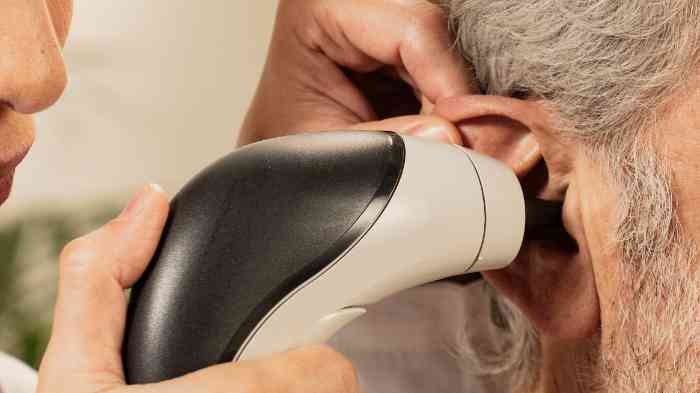
- Otoscopy – A visual examination of the ear to identify white, hardened plaques on the tympanic membrane. This is the first step in detecting tympanosclerosis.
- Audiogram – A hearing test used to determine the type (usually conductive) and severity of hearing loss caused by tympanosclerosis.
- CT scans and radiology – Imaging techniques that evaluate the extent of calcification in the middle ear and ossicles, helping guide treatment decisions.
For medical coding and documentation, tympanosclerosis is classified under ICD-10, which aids in standardizing diagnosis and treatment plans. Overall, proper evaluation through clinical examination, audiometric testing, and imaging is crucial for accurate classification and effective management.
Prevention tips
While not all cases of tympanosclerosis can be prevented, there are steps that can reduce the risk or slow its progression.
- Treat ear infections promptly – Early management reduces the risk of chronic inflammation.
- Follow post-surgery care instructions – Proper care after ear procedures can minimize scarring and calcification.
- Maintain good ear hygiene – Avoid inserting foreign objects into the ear canal.
- Seek early evaluation – Have persistent ear symptoms checked by an ENT specialist.
- Monitor recurring ear problems – Regular check-ups can help detect issues before they worsen.
When to see a hearing specialist
It is important to consult a hearing specialist if you notice any changes in your hearing or experience symptoms that may indicate tympanosclerosis. This includes persistent hearing loss, a feeling of fullness in the ear, ringing or tinnitus, or recurrent ear infections. Early evaluation by an ENT or audiologist can help identify the cause of these symptoms and determine whether they are related to calcification in the eardrum or middle ear structures. Prompt assessment allows for accurate diagnosis, appropriate treatment, and monitoring to prevent further hearing impairment.
FAQs about tympanosclerosis
Can tympanosclerosis cause tinnitus?
Is tympanosclerosis serious?
Can tympanosclerosis go away on its own?
Can loud music cause tympanosclerosis?
** Some images in this article were generated using artificial intelligence.