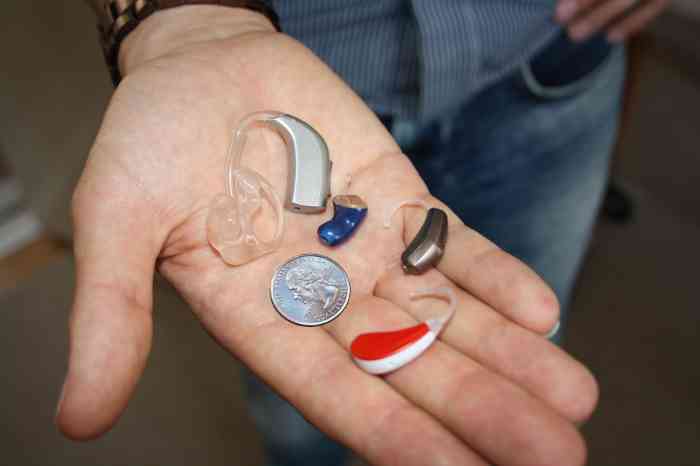
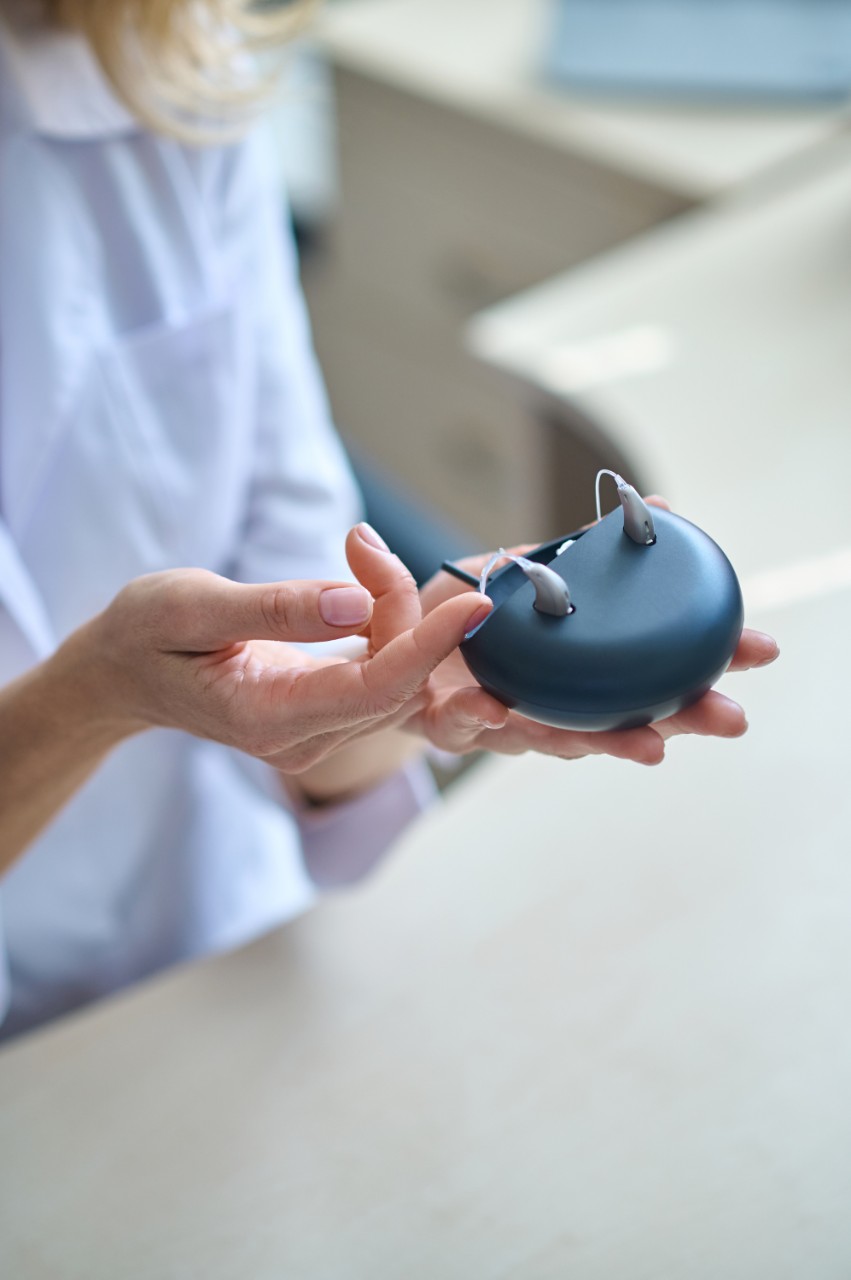
Costco vs Kaiser hearing aids: pros & cons
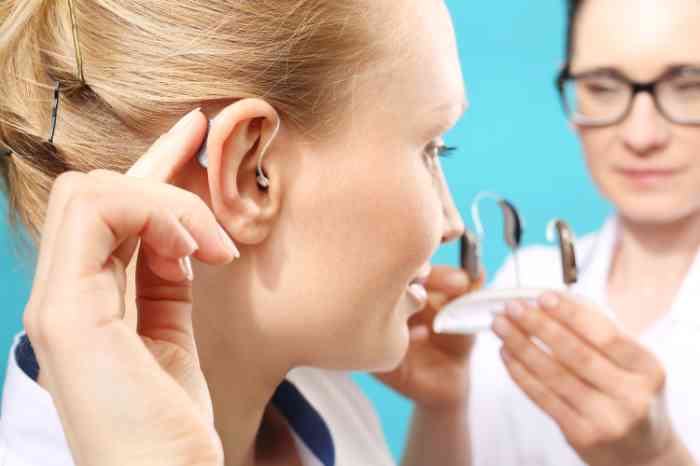
If you're shopping for hearing aids, two names that often come up are Costco and Kaiser Permanente — and they represent two very different paths to better hearing.
A frequent first question is simple: does Costco sell hearing aids? Yes. Hearing aids at Costco are sold through its in-store Hearing Aid Centers, which have grown into the largest hearing aid retail operation in North America. Costco offers prescription devices from major brands like Jabra, Rexton, Philips, and Sennheiser — all made by top global manufacturers — at warehouse prices, typically $1,499 to $1,699 per pair. The price bundles in a free hearing test, professional fitting, unlimited follow-ups, and a 180-day trial. You'll need a Costco membership, and Costco doesn't accept insurance.
Kaiser Permanente takes a different approach. As an integrated healthcare system, Kaiser delivers hearing aids through licensed audiologists as part of your medical care, with coverage that depends entirely on your health plan and region.
The core distinction is retail value versus integrated medical care. Costco wins on transparent low pricing and convenience; Kaiser wins on audiologist-led care tied to your insurance benefits. The right choice depends on your hearing needs, your plan, and how much hands-on professional support you want.
Kaiser hearing aids: features, pros & cons
Kaiser Permanente doesn't manufacture its own hearing aids. Instead, its Hearing Centers fit devices from major manufacturers selected by an audiologist. Brands regularly featured in the KP program include Phonak, Oticon, ReSound, Starkey, Widex, and Signia, and in Northern California audiologists offer hearing aids from Oticon, Phonak, Signia, and Starkey.
Available features depend on the style and tier you choose. Devices often incorporate directional microphones to enhance speech understanding in noisy environments and digital noise reduction algorithms, and many include Bluetooth connectivity for streaming audio from smartphones. Other add-ons include telecoils, feedback suppression, and rechargeable batteries.
KP organizes devices into technology tiers — Entry, Value, Middle, High-End, and Top Tier — based on signal-processing complexity and the number of channels.
Pros: Clinic-based care with professional evaluation and fitting; prices often 25–40% lower than competitors, with low deductibles and one of the longest standard warranties in the region; follow-up adjustments included; covered styles fit all hearing-loss levels.
Cons: Coverage varies widely by plan and region — Kaiser plans are only available in DC and eight states, and hearing benefits aren't the same in every city or state. Members receive the device their audiologist recommends rather than choosing by personal preference, and models may not be the newest flagship releases. The appointment-heavy process suits some buyers less than direct over-the-counter options.
Hearing Aid Styles Overview
|
Style |
Best for |
Key Features |
Visibility |
|---|---|---|---|
|
IIC (Invisible-in-Canal) |
Mild loss |
Single microphone, custom-molded |
Not visible when inserted |
|
CIC (Completely-in-Canal) |
Mild–moderate |
Directional mic option, custom-made |
Barely visible |
|
ITC (In-the-Canal) |
Mild–moderate |
Volume wheel/push button, larger battery |
Partly visible |
|
ITE (In-the-Ear) |
Mild–moderately severe |
Telephone switch, telecoil, easier to handle |
Visible in outer ear |
|
RIC (Receiver-in-Canal) |
Most loss types |
Two mics, natural sound, manual controls |
Discreet |
|
BTE (Behind-the-Ear) |
Severe–profound; children |
Earmold + tube, durable |
Most visible |
Coverage, brands, and pricing vary by plan and region — confirm details with your local Kaiser Permanente Hearing Center and your benefits statement.
Costco Hearing Aids: Features, Pros & Cons
Costco sells hearing aids through its in-store Hearing Aid Centers, offering recognizable premium brands at warehouse prices. At most locations, Costco sells four main brands: Jabra, Rexton, Philips, and Sennheiser, with a new SoundGear brand from Starkey being tested starting in 2026. The 2026 lineup is all rechargeable, almost entirely RIC form factor, with 180-day trial periods.
Feature-wise, the devices are competitive with clinic-grade technology. The Jabra Enhance Pro 30 uses a dual-chip design — one processor handles sound and a second dedicated chip runs AI noise reduction in real time — while the Philips HearLink 9050 adds onboard motion sensors that adapt to whether you are standing, walking, or moving. Bluetooth streaming, app personalization, and TV connectors are standard across most models.
Pros
- Prices run 30–50% lower than private clinics — from around $880 for OTC options to $1,699 for premium AI models
- Unlimited free follow-ups and a six-month return policy
- Includes free hearing tests and professional fitting
- Strong value for modern AI-driven features at lower cost
Cons
- An active Costco membership ($60–65/year) is required for purchase and ongoing service
- Devices are locked to Costco’s service network, limiting adjustments elsewhere
- Not all centers are staffed by audiologists (some use hearing instrument specialists without formal audiology degrees)
- No acceptance of private insurance
- Less suitable for complex ear history, profound hearing loss, or asymmetric hearing loss
Model Overview
|
Model |
Price (per pair) |
Key Features |
Best For |
|---|---|---|---|
|
Jabra Enhance Pro 30 |
~$1,699 |
Dual-chip AI, ~30hr battery, compact AI RIC, Auracast |
Cutting-edge AI processing |
|
Rexton Reach R-Li T |
~$1,499–1,600 |
Long battery (~39hr), multi-voice focus, AirPod-style case |
Group conversation clarity |
|
Philips HearLink 9050 |
~$1,599 |
SoundMap amplification, AI noise reduction, motion sensors |
Active users |
|
Sennheiser Sonite R |
~$1,599 |
Sonova platform, TV connector, auto sound adaptation |
Bluetooth streaming |
|
Lexie B2 Plus (OTC) |
~$830–980 |
Self-fit, strong speech clarity, no fitting needed |
Budget / mild–moderate loss |
Prices vary by state and model version; confirm current pricing and brand availability at your local Costco Hearing Aid Center.
Costco vs Kaiser hearing aids: differences
The two providers serve different needs. Costco is a retail warehouse model, while Kaiser Permanente is a clinic-based healthcare model tied to your insurance plan.
The biggest difference is the care structure. At Costco, you buy hearing aids directly through Hearing Aid Centers, which are often staffed by hearing instrument specialists rather than audiologists. A Costco membership ($60–65 annually) is required, but no doctor's referral or insurance is needed — Costco doesn't bill private insurance. Kaiser, by contrast, delivers hearing aids through licensed audiologists as part of your medical care, with coverage that varies widely by plan and region.
On price, Costco offers transparent, low warehouse pricing — roughly $880 to $1,700 per pair — with the same major-brand technology sold under different names. Kaiser’s cost depends entirely on your benefits; some Medicare Advantage plans cover one aid per ear every 36 months, while others offer little or nothing.
Brand selection differs too. Costco carries Jabra, Rexton, Philips, and Sennheiser. Kaiser fits devices from Phonak, Oticon, ReSound, Starkey, Widex, and Signia, chosen by the audiologist for your specific loss.
For follow-up, Costco includes unlimited free adjustments but locks devices to its network. Kaiser integrates hearing care into your broader medical record and ongoing treatment system.
Comparison Table
|
Factor |
Costco |
Kaiser Permanente |
|---|---|---|
|
Model type |
Retail warehouse |
Clinic-based / insurance |
|
Membership / eligibility |
Costco membership required |
KP health plan member |
|
Staff |
Hearing instrument specialists (some audiologists) |
Licensed audiologists |
|
Brands |
Jabra, Rexton, Philips, Sennheiser |
Phonak, Oticon, ReSound, Starkey, Widex, Signia |
|
Example models |
Jabra Enhance Pro 30, Rexton Reach, Philips HearLink 9050, Sennheiser Sonite R |
Brand-specific audiologist-selected models |
|
Styles |
IIC, CIC, ITC, ITE, RIC, BTE |
Varies by prescription |
|
Price |
~$880–$1,700 per pair |
Varies by plan; sometimes fully covered |
|
Insurance |
Not accepted |
Tied to KP coverage |
|
Follow-up |
Unlimited free; network-locked |
Integrated medical care |
|
Trial / return |
180-day trial |
Varies by plan |
Coverage, pricing, and availability vary by region and plan — confirm details with your local Costco Hearing Aid Center or Kaiser Permanente Hearing Center.
Does Kaiser Cover Hearing Aids?
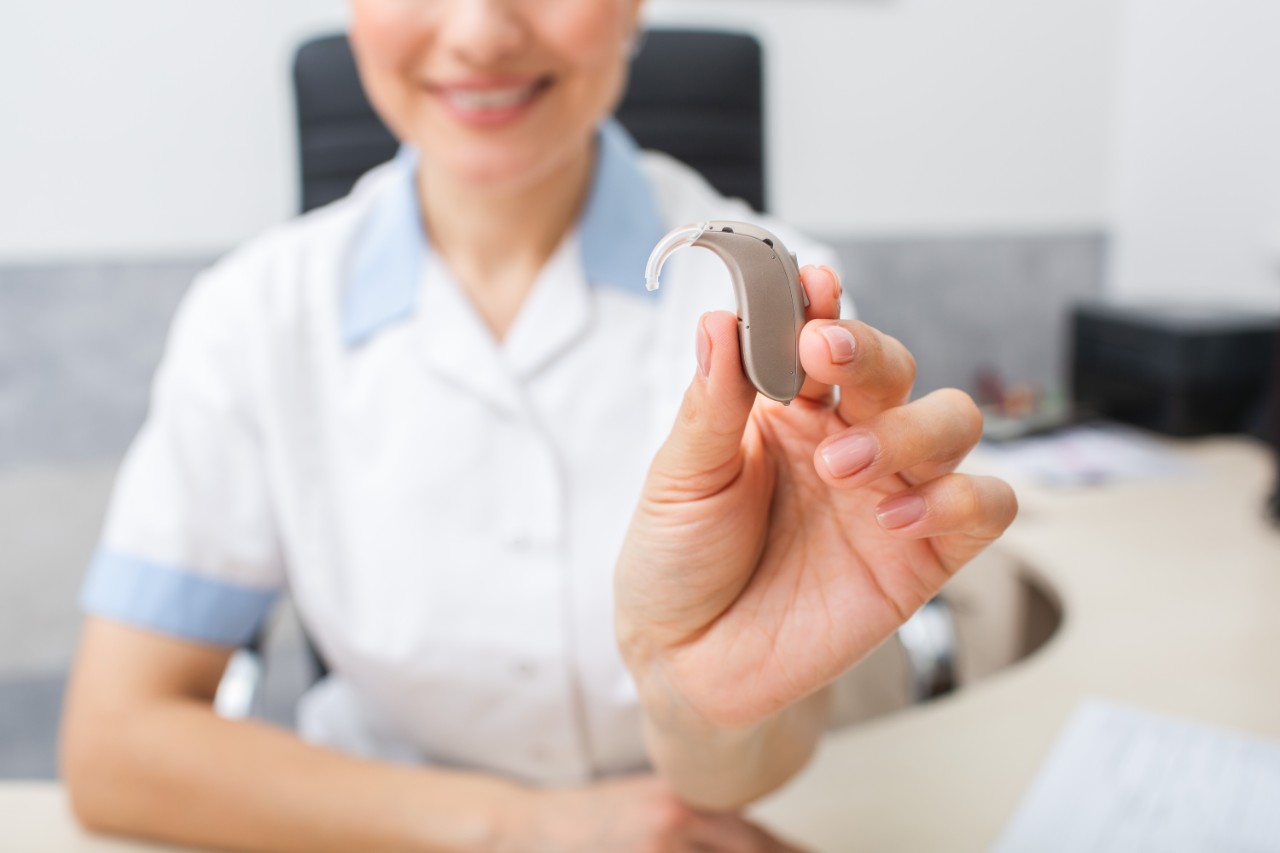
Yes — Kaiser Permanente does cover hearing aids, but the coverage depends heavily on your specific plan, and there's important nuance to understand.
The short answer
Coverage exists, but it's not universal across all Kaiser members. Kaiser Permanente members have coverage for medically necessary hearing tests, and some members may have coverage for hearing aids. Whether your plan includes hearing aid coverage depends on the plan type and your region.
How it works for Medicare Advantage members
For Kaiser’s Medicare plans, there's typically a hearing aid allowance. Kaiser's health plans include a $1,000 hearing aid allowance per ear every 36 months, plus coverage for hearing exams, to use at Kaiser Permanente audiology centers.
An independent 2026 analysis put the range a bit wider: Kaiser's Medicare Advantage plans included comprehensive coverage for diagnostic audiology services and hearing aids, with typical allowances of $1,000 to $1,500 every three years — slightly above average compared to competitors.
That said, not every Medicare plan includes it automatically. Kaiser Medicare Advantage plans don't typically include hearing coverage by default, but you may be able to add the Kaiser Advantage Plus program to your Medicare plan for an extra monthly fee, which adds benefits including hearing, eyewear, and dental.
The Advantage Plus add-on
If your base plan lacks hearing coverage, this optional package is the main route. Under Advantage Plus, the structure is typically:
- A $1,000 benefit allowance toward hearing aids
- Up to $500 per ear per aid every 3 calendar years
- If your hearing aids cost more than $500 per ear, you pay 100% of the difference
Key conditions to know
- The allowance is Kaiser-only — it can only be used at Kaiser Permanente audiology centers
- You cannot use it at external retailers like Costco
- Coverage is limited to Kaiser-furnished hearing aid models
- Your audiologist selects devices from Kaiser’s approved options
- Coverage varies by plan, region, and eligibility
The upside
When you do have coverage, the package is fairly complete. Beyond the allowance, you receive:
- Follow-up care and adjustments
- A warranty for repairs
- A low replacement fee for lost hearing aids
- Care from licensed audiologists (often Doctor of Audiology, AuD)
- Hearing aid consultations that are typically no cost
Bottom line
Whether Kaiser covers your hearing aids comes down to three things: your plan type (commercial/employer vs. Medicare Advantage), whether you've added Advantage Plus, and your region.
The most reliable way to know is to check your Evidence of Coverage document or contact Kaiser Permanente audiology directly. Any allowance must be used at Kaiser audiology centers on Kaiser-furnished devices, and cannot be combined with external retailers.
Kaiser Permanente Hearing Aids: Things to Know
Here’s what’s worth knowing about Kaiser Permanente hearing aids, covering how they work, coverage, and the key things that set Kaiser apart.
Kaiser is an integrated care model, not a retailer
The most important thing to understand is that Kaiser doesn’t sell hearing aids like a store does. Hearing care is delivered through Kaiser audiology centers as part of your medical care. You see a Kaiser audiologist, get tested, and are fitted with devices from Kaiser’s selection, all within the Kaiser system and tied to your health plan.
Care comes from doctoral-level audiologists
A genuine strength: Kaiser’s hearing care is provided by audiologists who hold Doctor of Audiology (AuD) degrees. This can be a meaningful difference from some retail settings (including Costco), where care may come from hearing instrument specialists who are trained but do not hold an audiology doctorate. For complex, asymmetric, or profound hearing loss, this level of expertise can matter.
Coverage depends on your plan
Whether your hearing aids are covered depends on your specific plan and region. Kaiser members generally have coverage for medically necessary hearing tests, but hearing aid coverage varies.
For Medicare Advantage members, there is typically a hearing aid allowance — often around $1,000 per ear every 36 months, or structured as up to $500 per ear every three years under the optional Advantage Plus add-on. If your hearing aids cost more than the allowance, you pay the difference.
Key conditions and limits
A few important limitations to keep in mind:
- The allowance is Kaiser-only — it can only be used at Kaiser audiology centers
- It cannot be used at outside retailers like Costco
- Device selection is limited to Kaiser-furnished models
- Audiologists select from brands like Phonak, Oticon, ReSound, Starkey, Widex, and Signia
- Coverage varies significantly by plan, region, and eligibility
- Availability is limited to certain states and service areas
What’s included
When you do have coverage, the package is fairly complete:
- Free or low-cost hearing evaluation
- Follow-up care and adjustments
- Repair warranty
- Reduced-cost replacement for lost devices
- Integrated care tied into your broader medical record
Bottom line
Kaiser is a strong choice if you value audiologist-led care integrated with your overall healthcare, and your plan includes a hearing benefit.
The trade-offs are less flexibility in device choice and coverage that varies widely by plan and location.
The most reliable way to confirm your exact benefit is to check your Evidence of Coverage document or contact Kaiser Permanente audiology directly.
Are Costco Hearing Aids as Good as Others?
Are Costco hearing aids good? Generally, yes — Costco hearing aids hold up well against premium clinic devices, with some important caveats.
Why Costco performs well
The core reason is that Costco doesn’t make its own hearing aids. They’re built by the same major manufacturers that supply private audiologists, including:
- Jabra (GN / ReSound)
- Rexton (Sonova / Signia’s sister brand)
- Philips (Demant / Oticon ecosystem)
- Sennheiser (Sonova platform)
The devices are often the same or very similar technology platforms, just sold under different model names. In independent lab testing, several Costco models perform comparably to far more expensive prescription options. For example, the Rexton Reach has scored well against the broader premium market.
Where Costco wins: value
Costco’s strongest advantage is value. You get current-generation hearing technology — including:
- AI noise reduction
- Bluetooth streaming
- Rechargeable batteries
…at roughly $880–$1,700 per pair, compared to $2,500–$7,000 at many private clinics.
This also includes:
- Free hearing tests
- Professional fitting
- Unlimited follow-up adjustments
Important caveats
- Some Costco versions of branded devices may include slightly fewer advanced features than clinic-only equivalents using the same chip
- Service quality can vary by location; not all centers are staffed by audiologists (some use hearing instrument specialists)
- Best suited for mild-to-moderate hearing loss
- Devices are locked to Costco’s service network
- An active Costco membership is required for ongoing service and adjustments
Bottom line
For most people with typical hearing loss, Costco is a strong, cost-effective option that delivers modern technology at a significantly lower price.
However, if you have complex, asymmetric, or severe hearing loss, or you prefer a long-term relationship with a dedicated audiologist, a private clinic may justify the higher cost.
Is Costco a Good Place to Buy Hearing Aids?
For most people, yes — Costco is one of the better mainstream places to buy hearing aids, though it isn't right for everyone.
What makes it a strong option
Price is the headline. Prescription hearing aids run roughly $1,500–$1,700 per pair (and over-the-counter options as low as ~$880), versus $2,500–$7,000 at many private clinics for comparable technology. The savings come from Costco’s buying power and low-overhead “shop-in-shop” model.
The brands are legitimate. Costco carries Jabra, Rexton, Philips, and Sennheiser — all made by top-tier global manufacturers that also supply private audiologists, just under different model names. You’re getting current-generation technology with features like AI noise reduction, Bluetooth streaming, and rechargeable batteries.
The service package is generous. It includes:
- Free hearing tests
- Professional fitting
- Unlimited follow-up adjustments
- A long trial period (around 180 days) with full refund eligibility
That trial period significantly reduces financial risk.
Where it falls short
- You need an active Costco membership ($60–65/year) for purchase and ongoing service
- Costco does not bill private insurance
- Devices are locked to Costco’s service network, meaning other providers cannot adjust them
- You are effectively committing to Costco for the lifetime of the devices
- Staffing varies: not all locations have licensed audiologists (some use hearing instrument specialists)
- Less ideal for complex, asymmetric, or profound hearing loss, or complicated ear history
Bottom line
If you have straightforward mild-to-moderate hearing loss and value cost, convenience, and modern technology, Costco is an excellent choice.
If your needs are more complex, or you prefer a long-term relationship with a dedicated audiologist, a specialized clinic may justify the higher price.
Either way, the long trial period makes Costco a relatively low-risk option to test before fully committing.
How Good Are Costco Hearing Aids?
Costco hearing aids are quite good — they’re among the best value options in the market and perform comparably to far more expensive clinic devices.
The main reason is that Costco doesn’t manufacture its own aids. They are made by the same major companies that supply private audiologists, including:
- Jabra (GN / ReSound)
- Rexton (Sonova / Signia ecosystem)
- Philips (Demant / Oticon ecosystem)
- Sennheiser (Sonova platform)
These are top-tier manufacturers, meaning you’re getting genuine premium technology, just sold under different model names at lower prices.
Performance and technology
In independent lab testing, several Costco models score well against the broader prescription market. The Rexton Reach, for example, has earned strong marks and ranks competitively among dozens of prescription hearing aids tested.
The current lineup includes modern features typically found in flagship devices, such as:
- AI-driven noise reduction
- Real-time speech focus
- Bluetooth streaming
- Rechargeable batteries
- Motion sensors (on select models)
Strengths
- Strong performance for mild-to-moderate and many moderate-to-severe hearing losses
- Excellent value: roughly $880–$1,700 per pair vs $2,500–$7,000+ at private clinics
- Includes free hearing tests, professional fitting, and unlimited follow-ups
- Technology is often close to premium clinic-level devices
Limitations
- Some Costco versions may have slightly fewer advanced features than clinic-only versions using the same chip (differences are usually modest)
- Service quality varies by location — not all centers are staffed by audiologists
- Less ideal for complex, asymmetric, or profound hearing loss
- Devices are locked to Costco’s service network, meaning they cannot be adjusted elsewhere
Bottom line
For most people, Costco hearing aids deliver about 90% of premium clinic performance at a fraction of the cost.
They are a smart, high-value choice unless you have unusually complex hearing needs or require ongoing care from a dedicated audiologist.
Costco Hearing Aids: Reviews, Consumer Reports & Hearing Aid Centers
Here’s what reviews, Consumer Reports data, and hearing aid center feedback show about Costco hearing aids in 2026.
What Consumer Reports says
Consumer Reports surveyed over 13,000 members on where they buy hearing aids. Overall, 86% of members who bought hearing aids said they were very satisfied or completely satisfied with the retailer they used, and Costco was among the 17 retailers rated.
Members buying OTC hearing aids tended to shop at online retailers like Amazon, wholesale clubs like Costco, or brand websites. OTC buyers reported slightly lower satisfaction than those who purchased prescription aids.
More broadly, Consumer Reports ranks Costco highly compared to other retailers, with survey respondents giving the Costco Hearing Aid Center strong marks for price transparency, courtesy, and follow-up service.
Lab and expert reviews
Independent testing is generally positive. In HearingTracker’s lab, the Rexton Reach R-Li T80 scored well on:
- Speech-in-quiet: 4.1/5
- Speech-in-noise: 2.4/5
Outside Costco, it is also one of the most affordable prescription hearing aids available.
Reviewers note that Costco devices come from top-tier manufacturers, including:
- Philips
- Jabra
- Rexton
- Sennheiser
These brands are part of the top global hearing aid manufacturers, offering technology that competes with best-in-class clinic devices, often under different model names.
One audiologist summary captures the consensus: Costco devices are generally a good solution for mild to moderately-severe hearing loss, with outcomes depending heavily on support and programming quality from the provider.
Consumer reviews of the centers
Customer feedback on Costco Hearing Aid Centers is mixed.
On platforms like ConsumerAffairs, the centers average just under 3/5 stars, with most complaints relating to:
- Appointment scheduling
- Wait times
- Inconsistent service at certain locations
However, many customers highlight:
- Low prices
- Convenient locations
- Friendly and professional staff
Negative reviews tend to focus more on service experience than device quality, including rushed appointments and inconsistent follow-up at some centers.
How the Hearing Aid Centers work
Since launching in 1989, Costco has grown into the largest hearing aid retailer in North America, with more than 750 locations.
Centers are staffed by:
- Licensed audiologists (in some locations)
- Hearing instrument specialists (more common overall)
The process typically includes:
- Free hearing test (audiogram, speech comprehension, bone conduction testing)
- On-site fitting and programming
- Follow-up adjustments, cleanings, and repairs
Support services include:
- 6-month warranty
- 180-day return window for full refund
- Free one-time replacement for lost or stolen devices
The honest caveats
Expert reviews consistently highlight a few limitations:
- Costco no longer offers multiple tiered technology levels (everyone gets a similar tier at similar pricing), reducing customization
- Some reviewers say the lineup can lag behind the newest flagship clinic models
- No online purchasing — support requires in-person warehouse visits
- Some devices (including older Kirkland Signature models) may be network-locked, meaning only Costco can reprogram them
Bottom line
The reviews are broadly consistent: Costco hearing aids are genuinely high-quality devices made by major manufacturers and validated by both lab testing and Consumer Reports data.
The biggest variable is not the hardware, but the in-store experience, which depends heavily on your local center’s staffing and responsiveness.
Costco is an excellent value choice for mild-to-moderate hearing loss, but less ideal for complex, asymmetric, or profound hearing loss.
The 180-day trial period is the key advantage — it allows you to test both the devices and the local service experience before committing.
Best Costco Hearing Aids in 2025 and 2026
Here are the best Costco rechargeable hearing aids across 2025 and 2026. Notably, every prescription model in Costco’s current lineup is rechargeable, so the choice mainly comes down to features, performance, and use case.
The top picks
Rexton Reach R-Li T — Best Overall
For 2026, the Rexton Reach R-Li T stands out as the best overall hearing aid at Costco, earning an A grade in lab testing and ranking #6 out of 34 prescription hearing aids tested.
It debuted in 2024 and has remained a top performer.
In HearingTracker’s lab, the Rexton Reach R-Li T80 scored:
- Speech-in-quiet: 4.1/5
- Speech-in-noise: 2.4/5
Key technology:
- Multi-Voice Focus technology
- Scans environment 1,000 times per second
- Uses 4 focus beams to track and isolate voices
- Automatically adapts as speakers move
Battery life:
- 34 hours (standard model with streaming)
- Reach R Plus: up to 54 hours (36 hours with streaming)
Price:
- Approximately $1,499–$1,600 per pair
Jabra Enhance Pro 30 — Best AI / Most Advanced
Introduced in May 2025, replacing the Pro 20, at $1,699 per pair, the Jabra Enhance Pro 30 is the most advanced Costco hearing aid.
Key features:
- Dual-chip system
- 360 All-Around chip
- Dedicated AI Deep Neural Network chip
- Trained on 13 million real-world speech samples
- Advanced background noise reduction
- Auracast support
- IP68 water/dust resistance
Models:
- Micro RIE 62S — world’s smallest AI hearing aid
- RIE 62 — includes telecoil
Battery life:
- Up to 30 hours (25 hours with streaming)
Philips HearLink 9050 — Best Motion-Aware Tech
Arrived at Costco in September 2024, priced at $1,499 per pair.
Key features:
- AI + motion sensors for adaptive sound processing
- Built on Oticon-grade platform technology
- Strong performance in noisy environments
Limitations:
- 20-hour battery life (shortest in lineup)
- Simpler companion app compared to Jabra
Sennheiser Sonite R — Best for Streaming / Android
Available at Costco since 2024–2025, priced at ~$1,599.99 per pair.
Key features:
- Made by Sonova (parent of Phonak and Unitron)
- Designed for mild to profound hearing loss
- Strong Bluetooth streaming performance
- Includes TV connector
- Fast magnetic charging (full charge in ~3 hours)
Quick comparison
|
Model |
Price (pair) |
Battery |
Key strength |
Best for |
|---|---|---|---|---|
|
Rexton Reach R-Li T |
~$1,499–1,600 |
~34 hrs |
Multi-voice speech clarity |
Overall performance |
|
Jabra Enhance Pro 30 |
~$1,699 |
~30 hrs |
AI noise reduction + small size |
Advanced tech users |
|
Philips HearLink 9050 |
~$1,499 |
~20 hrs |
Motion-adaptive sound |
Active lifestyles |
|
Sennheiser Sonite R |
~$1,599 |
Fast charge (~3 hrs) |
Streaming + TV connector |
Media/streaming |
What’s New for 2026
Costco is expanding its rechargeable lineup further.
The AI-powered SoundGear AMP line (Starkey) began a pilot in ~100 Costco locations in late 2025.
If fully rolled out, it would expand Costco offerings across all major global manufacturers, adding styles such as:
- mRIC R
- RIC 312
- ITC R
- CIC Wireless
- IIC
Quick Guidance
- Best overall / most tested: Rexton Reach
- Best AI / smallest / most advanced: Jabra Enhance Pro 30
- Best motion adaptation: Philips HearLink 9050
- Best for streaming & Android use: Sennheiser Sonite R
Since these are prescription devices fitted in-store, the 180-day trial period allows you to test real-world performance before committing.
Pricing and availability vary by location, so confirm details at your local Costco Hearing Aid Center.
Costco hearing aids comparison: things to know
Costco has become the largest hearing aid retailer in North America, and its appeal is straightforward: premium-brand devices at warehouse prices. Before comparing models, there are a few key things to understand.
Key context before comparing models
First, every Costco prescription hearing aid is:
- Rechargeable
- Bluetooth-enabled
- Made by top global manufacturers
- Sold under rebranded Costco partner names
The main brands are:
- Jabra (GN / ReSound)
- Rexton (WS Audiology / Signia)
- Philips (Demant / Oticon)
- Sennheiser (Sonova / Phonak)
- SoundGear (Starkey) — currently being piloted (2026)
Second, pricing is fairly consistent across models, typically:
- ~$1,499–$1,699 per pair
- Around 30–50% less than private audiology clinics for comparable technology
- Requires a Costco membership (~$60–65/year)
Third, Costco’s value includes more than the device itself:
- Free hearing tests
- Professional fitting and programming
- Unlimited follow-up adjustments
- 180-day return window
- One-time loss/damage replacement
Main trade-offs to understand
While Costco offers strong value, there are some limitations:
- No traditional “good / better / best” tiers like in many clinics
- Less customization across technology levels
- Providers may be hearing instrument specialists rather than audiologists
- Devices may be software/network-limited to Costco systems
- Best suited for mild to moderately severe hearing loss
- Not ideal for complex, asymmetric, or profound hearing loss
Model Comparison
|
Model |
Price (pair) |
Battery |
Best Feature |
Best For |
|---|---|---|---|---|
|
Rexton Reach R-Li T |
~$1,499–1,600 |
~34 hrs (streaming) |
Multi-Voice Focus; strong lab performance |
Group conversations |
|
Jabra Enhance Pro 30 |
~$1,699 |
~30 hrs |
Dedicated AI chip; advanced processing |
AI-driven sound clarity |
|
Philips HearLink 9050 |
~$1,499 |
~20 hrs |
Motion sensors; Oticon-grade platform |
Active lifestyles |
|
Sennheiser Sonite R |
~$1,599 |
Fast charging (≈3 hrs full) |
TV connector; strong streaming |
Streaming & Android users |
|
SoundGear AMP (pilot, 2026) |
TBD |
Varies |
Multiple styles (RIC, ITC, CIC, IIC) |
Style flexibility |
Important note
Prices and availability can vary by location, so it’s always best to confirm directly with your local Costco Hearing Aid Center.
Bottom line
Costco hearing aids are:
- Clinically competitive (same manufacturers as private clinics)
- Significantly lower in price
- Strong in core performance and features
The main differences come down to:
- Sound preference
- Feature set (AI, streaming, battery life)
- Fit and style
- Level of hearing loss complexity
In practice, Costco is strongest for people who want high-quality prescription hearing aids at a predictable price with strong service support, rather than highly specialized, multi-tier clinical customization.
What type of hearing aids does Costco sell?
Costco sells two main categories of hearing aids:
- Prescription hearing aids fitted in-store
- A smaller selection of over-the-counter (OTC) hearing devices
Prescription hearing aids (main offering)
These are the core of Costco’s hearing aid program. They are selected, programmed, and fitted by a hearing care professional after an in-store hearing test.
Costco works with major global manufacturers, offering rebranded or co-branded models:
- Jabra (GN/ReSound) — The Jabra Enhance Pro 30 is Costco’s most advanced and most expensive option, and includes a dedicated AI processing chip.
- Rexton (WS Audiology / Signia sister brand) — The Rexton Reach R-Li T is known for strong speech clarity, Multi-Voice Focus, and long battery life, and is often considered a top performer in testing.
- Philips (Demant / Oticon) — The HearLink 9050 uses an Oticon-grade platform and includes features such as motion-based sound adaptation.
- Sennheiser (Sonova / Phonak parent company) — The Sonite R is designed for strong streaming performance and is often paired with a TV connector accessory.
- SoundGear (Starkey) — A new AI-driven line being piloted (2025–2026) in select locations, which could eventually expand Costco’s lineup to include all five major global manufacturers.
Common styles available
Most Costco prescription hearing aids come in:
- RIC / RIE (receiver-in-canal) — the most common modern style
- BTE (behind-the-ear) — often used for more severe hearing loss
- Custom in-the-ear models — available in select brands and configurations
The emerging SoundGear line is expected to expand style variety further, including:
- ITC (in-the-canal)
- CIC (completely-in-canal)
- IIC (invisible-in-canal)
Over-the-counter (OTC) options
For adults with perceived mild to moderate hearing loss who prefer self-fitting, lower-cost devices without a full clinical fitting, Costco also offers:
- Lexie B2 Plus (powered by Bose) — a self-fitting rechargeable OTC hearing aid
- Apple AirPods Pro (with hearing features) — sold at Costco and include FDA-cleared hearing assistance functions, though they are primarily a consumer audio device rather than a dedicated hearing aid
Worth knowing
- Most Costco prescription hearing aids are rechargeable and Bluetooth-enabled
- All devices are produced by major global manufacturers, not Costco itself
- The main differences between models are in sound processing, features, and form factor, not overall quality tier
Bottom line
Costco offers a mix of:
- High-quality prescription hearing aids from top global manufacturers
- A smaller but growing selection of OTC hearing solutions for mild-to-moderate loss
The key advantage is that you’re getting clinic-grade technology at warehouse pricing, with in-person fitting and follow-up support included.
Costco hearing aid brands: things to know
The most important thing to understand is that Costco does not manufacture hearing aids. Every brand it sells is produced by some of the world’s largest hearing aid companies—the same manufacturers used in private audiology clinics. The main difference is that Costco versions are typically rebranded and sold at lower prices.
Who actually makes each Costco brand
- Jabra is made by GN Hearing, the parent company of ReSound. The Jabra Enhance Pro 30 is Costco’s flagship model, and the only one featuring a dedicated AI processing chip for advanced sound optimization.
- Rexton is produced by WS Audiology, the world’s third-largest hearing aid manufacturer, and shares much of its underlying technology with Signia. The Rexton Reach line is widely regarded as one of Costco’s strongest performers.
- Philips hearing aids are made by Demant, the parent company of Oticon. The Philips HearLink series is built on Oticon-grade technology, reflecting its high-end engineering heritage.
- Sennheiser hearing aids are manufactured by Sonova, the parent company of Phonak and Unitron. Despite the well-known consumer audio brand name, the core hearing technology comes from Sonova’s medical division.
- SoundGear is produced by Starkey, the only major global hearing aid manufacturer headquartered in the United States. It is currently being piloted in select Costco locations (2025–2026).
If fully expanded, Costco would effectively carry products from all five major global hearing aid manufacturers under one roof.
Things to keep in mind
- Costco models are not always identical to clinic versions. Manufacturers sometimes release versions with slightly reduced features or older-generation platforms, helping achieve lower pricing. The differences are usually subtle but real.
- Each brand has a distinct sound profile.
- Jabra / ReSound: generally bright, crisp, and detailed
- Rexton / Signia: typically warmer and more relaxed
These differences reflect sound tuning preferences, not differences in quality.
- Devices may be software-limited to Costco systems. Hearing aids are programmed with proprietary software, meaning adjustments outside Costco can be limited or restricted, so users are often tied to Costco’s hearing centers for ongoing support.
- Kirkland Signature is no longer a current brand. Costco’s long-running house brand (most recently the KS10, based on Sonova technology) was discontinued after Sonova ended the partnership in 2022. Remaining units may exist in inventory, but it is no longer actively sold.
Bottom line
All Costco hearing aid brands come from top-tier global manufacturers, meaning you are still getting premium-level technology at reduced prices.
The real decision is not about which brand is “best,” but about:
- Sound preference (bright vs warm)
- Features (AI processing, Bluetooth, rechargeability, sensors)
- Fit and comfort
- Price and insurance coverage
In other words, the differences are about tuning and features—not overall quality or legitimacy.
Can you buy just one hearing aid at Costco?
Yes, you can buy a single hearing aid at Costco.
If you have hearing loss in only one ear, Costco allows you to purchase just one prescription hearing aid. Although Costco lists hearing aid prices per pair, individual devices are available for purchase at approximately half the listed pair price.
What to know before buying a single hearing aid
- You receive the same services as pair purchases. Buying one hearing aid includes a comprehensive hearing evaluation, professional fitting, programming, and follow-up appointments. The only significant difference is that you pay roughly half the cost of a pair.
- The decision depends on your hearing evaluation. Whether one hearing aid is appropriate depends on the recommendation of the Costco hearing specialist following your hearing test. In some cases, if a single hearing aid is not considered the best clinical solution, the specialist may recommend an alternative treatment or additional evaluation before proceeding.
When is one hearing aid the right choice?
A single hearing aid is typically recommended for people with asymmetrical hearing loss, where one ear has normal or near-normal hearing and the other has measurable hearing loss.
If both ears have hearing loss, hearing care professionals generally recommend wearing two hearing aids. Binaural hearing provides several important advantages, including:
- Better ability to locate where sounds are coming from
- Improved speech understanding in noisy environments
- More balanced and natural sound quality
- Reduced listening effort
Important to know
Because Costco sells prescription hearing aids exclusively through its Hearing Aid Centers, you'll need to visit a warehouse in person for a hearing test and professional fitting. During your appointment, the hearing specialist will determine whether purchasing one hearing aid is the most appropriate solution for your specific hearing profile.
Costco hearing aids for profound hearing loss
Costco can be a good option for some people with profound hearing loss, but its suitability depends on the type of hearing loss, not just its severity.
The key distinction: sloping vs. flat profound hearing loss
The shape of your hearing loss is one of the most important factors when determining whether Costco hearing aids are appropriate.
According to audiologists, Costco offers suitable options for severe hearing loss and some cases of sloping profound hearing loss, but it is generally not the best choice for flat profound hearing loss. Historically, Costco carried the Phonak Brio 5 BTE-UP, a device capable of fitting flat profound hearing loss, but after Phonak products were discontinued at Costco, equivalent ultra-powerful options are no longer available.
For people with sloping profound hearing loss, however, Costco still offers strong solutions, particularly Jabra receiver-in-canal (RIC) hearing aids fitted with high-power receivers.
The most powerful current option: Jabra Enhance Max
Costco's flagship device for severe hearing loss is the Jabra Enhance Max Super Power BTE. Designed for severe-to-profound hearing loss, it is one of the smallest rechargeable super-power behind-the-ear (BTE) hearing aids available.
Key features include:
- High-output amplification for severe-to-profound hearing loss
- Clear Focus directional microphones
- Bluetooth Low Energy (LE) Audio
- Auracast broadcast audio compatibility
- Rechargeable battery
Other high-power options at Costco
In addition to the Jabra Enhance Max, Costco offers several other configurations for more significant hearing loss:
- Jabra Enhance Pro 20 Power BTE, which remains available for more severe hearing losses.
- Rexton high-power BTE models, designed for members who require greater amplification.
- CROS and BiCROS systems, intended for people with single-sided hearing loss (single-sided deafness).
- Super Power BTE devices for individuals with severe-to-profound hearing loss.
Which hearing aid styles work best for profound hearing loss?
In general, behind-the-ear (BTE) hearing aids provide the highest levels of amplification and are the preferred choice for profound hearing loss.
When paired with custom earmolds, BTE devices can accommodate hearing loss ranging from mild to profound. While custom in-the-ear (ITE) devices may work for some individuals and can be easier to handle for those with dexterity challenges, BTE hearing aids remain the preferred option when maximum power is required.
When Costco may not be the best choice
Even experts who generally recommend Costco Hearing Centers acknowledge that they are not ideal for every situation.
People with the following conditions may benefit more from a full-service audiology clinic:
- Flat profound hearing loss
- Complex hearing needs
- Significant asymmetrical hearing loss
- A complicated medical or ear history
These cases often require more specialized fitting, programming, and long-term clinical management than Costco typically provides.
|
Option |
Type |
Best For |
|---|---|---|
|
Jabra Enhance Max |
Super-power rechargeable BTE |
Severe-to-profound hearing loss; Costco's most powerful option |
|
Jabra Enhance Pro 20 Power BTE |
Power BTE |
Severe hearing loss |
|
Jabra RIC with high-power receiver |
Receiver-in-canal (RIC) |
Sloping profound hearing loss |
|
Rexton high-power BTE |
Power BTE |
Severe hearing loss |
|
CROS/BiCROS systems |
Paired BTE/RIC |
Single-sided deafness |
Practical advice
If you have profound hearing loss, start with Costco's free in-store hearing evaluation. The hearing specialist can determine both the severity and configuration of your hearing loss and recommend whether Costco's hearing aids can provide sufficient amplification.
Be sure to ask specifically about the Jabra Enhance Max if you require maximum power.
If your hearing loss is flat and profound, or if you have complex hearing needs, it is worth considering a full-service audiology clinic, where you'll have access to a broader range of ultra-powerful prescription hearing aids and more specialized care.
Finally, Costco's 180-day trial period provides an excellent opportunity to verify that the hearing aids deliver enough loudness, clarity, and speech understanding in everyday listening environments before making a final decision.
Because professional fitting becomes increasingly important as hearing loss becomes more severe, it's also worth considering that the qualifications of Costco hearing care providers vary by location, with some centers staffed by licensed hearing aid specialists and others by audiologists.
Costco In-the-Ear and In-the-Canal Hearing Aids
Costco does offer in-the-ear (ITE) and in-the-canal (ITC) hearing aids, though its lineup still leans heavily toward receiver-in-canal (RIC) devices. Here’s what’s available in custom in-ear styles.
What Costco offers in custom in-ear styles
The custom in-ear options mainly come from two core brands, with a third in pilot testing.
Philips HearLink 9030 — most complete custom lineup
The Philips HearLink 9030 offers the widest range of custom styles at Costco, including:
- ITE (In-the-Ear)
- ITC (In-the-Canal)
- CIC (Completely-in-Canal)
- IIC (Invisible-in-Canal)
It uses technology derived from Oticon and Bernafon platforms, making it one of the strongest custom offerings.
Jabra Enhance Pro 20 — legacy custom options
The Jabra Enhance Pro 20 still provides custom in-ear models, even though the newer Pro 30 focuses mainly on RIC devices.
Available styles include:
- ITE
- ITC
- CIC (Completely-in-Canal) using a size 10A battery
These remain among Costco’s most discreet rechargeable and non-rechargeable custom options.
Rexton Reach inoX-CIC Li 80 — near-invisible option
The Rexton Reach inoX-CIC Li 80 is a standout near-invisible device.
Key features:
- Instant-fit design (no custom impressions required)
- Soft silicone ear tips
- Up to 28 hours of battery life
- App control via Rexton app
- No Bluetooth streaming (due to size constraints)
It is similar in concept to:
- Signia Silk IX
- Sony CRE-C20
SoundGear AMP (Starkey) — pilot program
The SoundGear AMP line (Starkey) is currently in pilot at select Costco locations and may expand custom options further.
It includes:
- ITC R
- CIC Wireless
- IIC styles
Starkey is known for strong custom-mold precision and hearing performance tuning.
Understanding the styles
Smaller devices trade discretion for features and ease of use:
- ITE (In-the-Ear)
Larger, sits in the outer ear bowl. Suitable for mild to severe hearing loss and easier to handle for users with dexterity challenges. - ITC (In-the-Canal)
Small and discreet. Best for mild to moderate hearing loss. Comfortable and phone-friendly but harder for fine adjustments. - CIC (Completely-in-Canal)
Even smaller and more discreet. Best for mild to moderate loss, but can be harder to handle and maintain. - IIC (Invisible-in-Canal)
The smallest and most discreet style. Nearly invisible but most difficult to insert, clean, and adjust.
Key things to know
- Around 90% of Costco users choose RIC devices, which explains the smaller custom selection
- Custom molds often cost extra on top of device pricing
- Smaller styles are generally best for mild-to-moderate hearing loss
- Ultra-small devices often lose features like Bluetooth streaming
- Severe or profound hearing loss usually requires RIC or BTE devices instead
|
Model |
Styles Available |
Custom Mold Required |
Best for |
|---|---|---|---|
|
Philips HearLink 9030 |
ITE, ITC, CIC, IIC |
Yes |
Broadest range of custom styles |
|
Jabra Enhance Pro 20 |
ITE, ITC, CIC |
Yes |
Discreet fit with rechargeable or disposable battery options |
|
Rexton Reach inoX-CIC Li 80 |
Instant-fit CIC |
No (silicone ear tips) |
Near-invisible fit without ear impressions |
|
SoundGear AMP (pilot) |
ITC, CIC, IIC |
Yes |
Highly customized fit (limited Costco locations) |
Practical advice
If you’re considering a discreet in-ear style, the Costco hearing test is essential to determine:
- Whether your ear canal anatomy supports smaller devices
- Whether your hearing loss level is suitable for ITC/CIC/IIC styles
If you want discretion but still want features like Bluetooth and rechargeability, consider ITE or larger ITC models, since the smallest devices often sacrifice connectivity.
As always, the 180-day trial period is your safety net to test comfort, usability, and real-world performance before committing.
Hearing Aid Prices at Costco: Does It Take Insurance?
Costco prices do not include insurance. Costco doesn’t accept insurance at all. What you’re paying is an out-of-pocket price, which is low mainly due to bulk purchasing power and retail efficiency — not insurance subsidies.
Costco doesn’t accept insurance
Costco Hearing Centers do not accept private insurance.
They do accept HSA and FSA payments, since hearing aids are an eligible medical expense — but this is tax-advantaged personal spending, not insurance coverage.
If you have hearing aid insurance coverage
If your plan includes hearing aid benefits, the process at Costco is typically:
- You pay Costco upfront
- You then submit an itemized receipt to your insurer
- You may receive partial reimbursement (if your plan allows it)
In most cases, Costco is treated as out-of-network.
Coverage varies widely:
- Some employer plans include hearing benefits
- Many plans do not include them at all
- Original Medicare does not cover hearing aids
- Some Medicare Advantage plans include a hearing allowance
What the Costco price includes
The Costco price bundles services that are often charged separately elsewhere, including:
- Comprehensive hearing exam
- Professional fitting with real-ear measurement
- Unlimited follow-up adjustments
- Cleanings and maintenance
- 180-day return window
- One-time loss/damage replacement (per device)
This is service value included in the price, not insurance coverage.
Costco hearing aid prices (2026)
|
Brand / Model |
Price (per pair) |
Type |
|---|---|---|
|
Jabra Enhance Pro 30 |
~$1,699 |
Premium RIC, AI chip |
|
Rexton Reach R-Li T |
~$1,499–1,600 |
Premium RIC |
|
Philips HearLink 9050 |
~$1,499 |
RIC, motion sensors |
|
Sennheiser Sonite Rise |
~$1,599 |
RIC, Sonova/Phonak platform |
|
Lexie B2 Plus |
~$980 |
OTC, self-fitting |
|
Apple AirPods Pro 2/3 |
~$179–249 |
OTC hearing feature |
How that compares
Even without insurance, Costco pricing is often competitive:
- Average Costco hearing aid: ~$1,674
- Typical private clinic (no insurance): ~$4,727 per pair
- Clinic average with insurance: ~$2,567 per pair
In many cases, paying out of pocket at Costco costs less than a clinic even after insurance is applied.
At Costco, expect to pay out of pocket, ideally using HSA or FSA funds for tax savings. If you want to use direct insurance billing, you typically need:
- An in-network audiology clinic, or
- A benefit-managed program (e.g., TruHearing-style networks)
However, for many people, Costco’s lower cash price + included services still delivers better overall value than traditional insurance-based routes.
Costco Hearing Services, Tests and Exams
Costco has become the largest hearing aid retailer in North America, offering a full suite of hearing services through its in-store Hearing Aid Centers. For members, the experience includes free hearing exams, fitting, programming, and ongoing care — all under one roof at warehouse prices.
Free hearing exam (no obligation)
The Costco hearing exam is free and does not require any obligation to buy.
During a typical appointment, a hearing professional will:
- Review your medical and hearing history
- Examine your ears
- Conduct tests in a sound booth, including:
- Audiogram (hearing thresholds)
- Speech comprehension testing
- Bone-conduction testing
These results are used to determine programming targets if you proceed with hearing aids.
Who performs the tests
A common question is whether Costco audiologists conduct these services.
The answer varies by location:
- Some centers are staffed by licensed audiologists
- Many are staffed by hearing instrument specialists
Hearing instrument specialists are trained professionals but do not hold an audiology degree. This distinction is important for individuals with complex or medically complicated hearing loss, so it’s worth confirming at your local center.
Included hearing services (2025–2026)
Costco hearing services include prescription devices from:
- Jabra
- Rexton
- Philips
- Sennheiser
Standard services include:
- Real-ear measurement verification during fitting
- Unlimited free follow-up adjustments
- Device cleanings and repairs
- In-store programming and fine-tuning
Warranty, returns, and support
Costco also includes:
- 180-day return window (full refund)
- Free one-time replacement for loss or damage (per device)
Key limitations
- Requires an active Costco membership ($60–65/year)
- No private insurance billing (but FSA/HSA funds are accepted)
- Best suited for mild-to-moderately-severe hearing loss
- Less ideal for complex, asymmetric, or profound hearing loss cases
Bottom line
For most people, Costco hearing services offer a highly accessible and cost-effective full-care package, combining testing, fitting, and long-term support in a single system.
The main variable is the local provider (audiologist vs hearing instrument specialist), so experience can differ by location — but overall, Costco remains one of the strongest value options in hearing care today.