What are tinnitus noisers and maskers for tinnitus?

Living with tinnitus can be challenging. The constant ringing, buzzing, or hissing in the ears affects daily activities, sleep, and overall wellbeing. Fortunately, innovative solutions such as tinnitus noisers and maskers have transformed the way many Australians manage this condition. In this comprehensive guide, we’ll explore everything from the basic science behind these devices to practical advice on choosing the right solution. We’ll also delve into the world of hearing aids integrated with tinnitus masking features, review the latest technology trends, and provide actionable tips to help you regain control of your auditory environment.
What is tinnitus?
Tinnitus is a condition where an individual experiences a persistent internal sound that isn’t generated by external sources. These sounds may include ringing, buzzing, hissing, or clicking and can vary in intensity and pitch. For many people, tinnitus is more than a minor annoyance—it can significantly impact concentration, sleep, and even emotional health.
Don't let tinnitus control your life any longer. Take the first step toward relief by scheduling a comprehensive hearing test today.
The impact of tinnitus on daily life
For countless Australians, tinnitus can lead to:
- Sleep disruption: The constant noise can make falling and staying asleep a challenge.
- Decreased concentration: Persistent auditory disturbances make it hard to focus on tasks.
- Emotional distress: Prolonged exposure to these sounds may lead to anxiety and even depression.
- Social isolation: Difficulty following conversations in noisy environments can lead to withdrawal.
Understanding the full impact of tinnitus is the first step toward finding effective management strategies.
How tinnitus noisers and maskers work
Tinnitus noisers and maskers are devices designed to produce external sounds that help reduce the perception of tinnitus. They work by generating a consistent sound environment that “masks” the internal noise, allowing the brain to focus on external sounds rather than the distracting ear ringing or buzzing.
The science behind sound therapy for tinnitus
Sound therapy works on the principle of auditory distraction. By introducing ambient sounds—such as white noise, nature sounds, or gentle tonal variations—the devices help the brain divert its attention from the internal tinnitus. This phenomenon is sometimes explained by the brain’s ability to “tune out” background noise when presented with a consistent external sound source.
Customisation for personal tinnitus relief
One of the key benefits of modern tinnitus maskers is their customisability. Users can adjust the sound frequency and volume to match their specific tinnitus profile. Whether you are looking for an in ear tinnitus masker, a wearable device, or even a tinnitus masker app that works with your smartphone, personalisation is central to achieving effective relief.

With you on your journey to better hearing.
Thank you for submitting your request
We will get in touch with you as soon as possible.The different types of tinnitus masking devices
Standalone tinnitus maskers
Dedicated sound machines
Dedicated sound machines are often compact and designed for use at home or on the go. They usually resemble bedside units and come with a variety of pre-set sound options. Examples include:
LectroFan Series:
A popular choice among users, the LectroFan provides an extensive range of white noise and fan sounds. Its easy-to-use interface and compact design make it ideal for nighttime use or office settings.
Marpac Dohm Classic:
This enduring model generates a natural, adjustable sound using real fan-based technology. Many users appreciate its ability to create a soothing auditory environment, particularly at night.
Tinnitus pillow maskers
Another innovative approach is the tinnitus pillow masker. These devices integrate sound therapy directly into a pillow, making them an excellent choice for those who struggle with sleep due to tinnitus. Features of tinnitus pillow maskers include:
Built-In Speakers: Some pillow maskers incorporate low-volume speakers that emit gentle, continuous sound therapy throughout the night.
Ergonomic Design: They are designed to maintain comfort while delivering consistent sound, helping to reduce tinnitus awareness during sleep.
An example on the market is the SoundOff Sleep Pillow, which is engineered to combine comfort with therapeutic sound delivery.
Integrated hearing aids with tinnitus masking
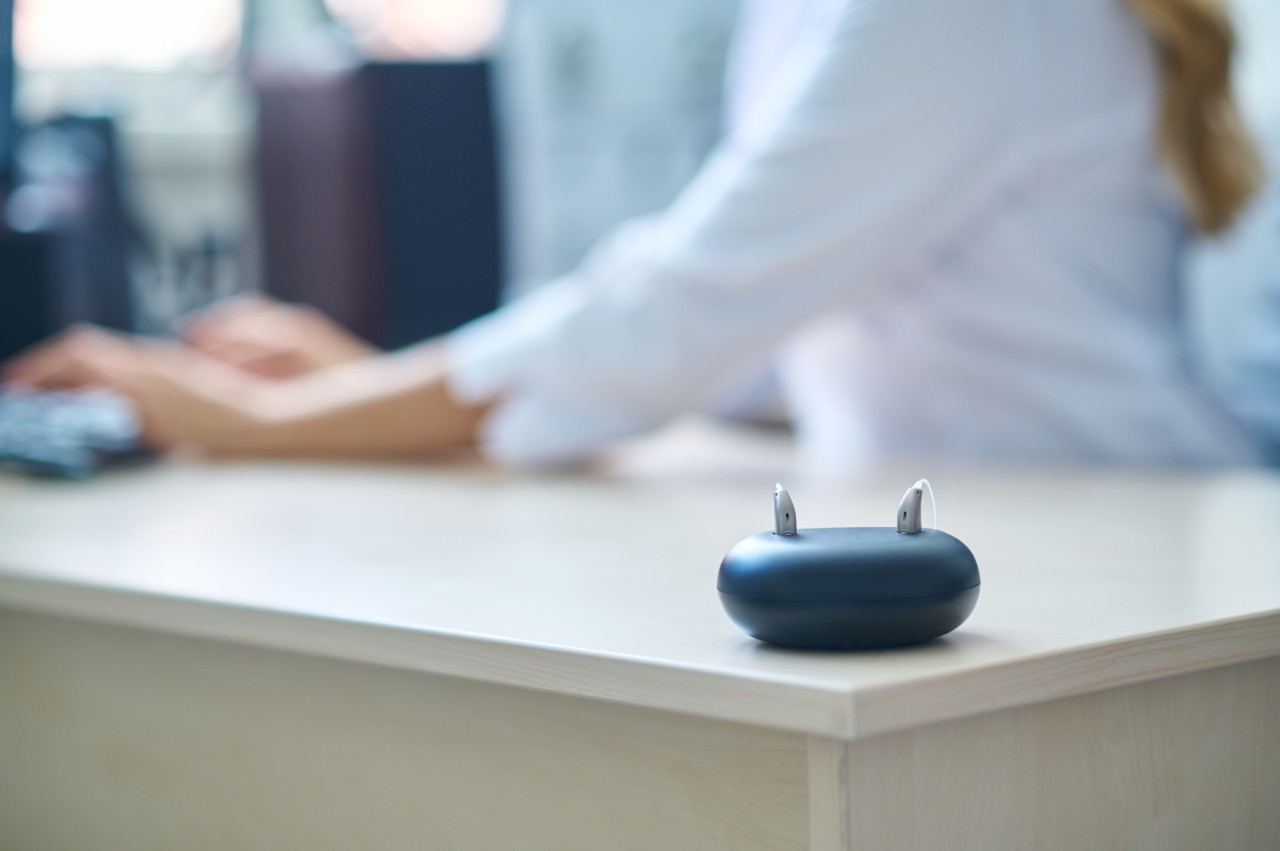
Many modern hearing aids now come equipped with integrated tinnitus noisers. This dual functionality is particularly useful for those who experience both tinnitus and hearing loss. The benefits include:
Amplifying external sounds while simultaneously masking tinnitus.
Reducing the perceived intensity of tinnitus through enhanced auditory stimulation.
Offering a seamless experience by combining amplification and sound therapy in one device.
Examples include devices from well-known brands such as Oticon, Phonak, Starkey, and Widex, which offer models designed specifically for tinnitus management. For instance, a hearing aid for tinnitus masking might combine traditional amplification with customised masking sounds.
What are the best tinnitus masking devices?
Hearing aids with integrated tinnitus masking capabilities are among the most effective devices for alleviating tinnitus symptoms. These devices amplify external sounds, helping to mask the internal sounds associated with tinnitus. Brands such as Phonak, Oticon, ReSound, and Signia offer hearing aids with customizable tinnitus masking programs.
For instance, Oticon's BrainHearing technology enhances both sound quality and cognitive functions, while ReSound provides user-friendly apps that allow users to modify the pitch and intensity of masking sounds, tailoring the experience to individual needs. Additionally, devices like the Snooz White Noise Sound Generator offer effective sound therapy by emitting soothing sounds to distract from tinnitus, aiding in relaxation and sleep.
It's essential to consult with an audiologist to determine the most suitable tinnitus masking device based on individual hearing profiles and tinnitus characteristics.
Tinnitus masker apps and wearable devices
With the growth of mobile technology, tinnitus masker apps have emerged as a convenient solution. These apps allow users to:
- Adjust masking sounds directly from their smartphone.
- Select from a variety of ambient noise profiles.
- Integrate with wearable devices for on-the-go sound therapy.
Additionally, wearable tinnitus maskers are becoming popular as they can be discreetly worn throughout the day, offering continuous relief without drawing attention.
Tinnitus masker apps
ReSound Relief
myNoise
Benefits of using tinnitus noisers and maskers
Improved concentration and reduced stress
One of the primary benefits of using a tinnitus masker is the reduction of stress and mental strain. When the constant internal noise is masked by a more pleasant sound, the brain has a much easier time focusing on conversations, work, and other daily activities. This often leads to:
- Enhanced concentration: Allowing you to remain engaged in tasks without distraction.
- Reduced anxiety: As the severity of tinnitus is diminished, feelings of frustration and anxiety are alleviated.
Better sleep quality
Many people with tinnitus report significant improvements in sleep quality once they begin using masking devices. A soothing background noise can:
- Facilitate a smoother transition into sleep.
- Prevent abrupt awakenings caused by the sudden prominence of tinnitus.
- Create a consistent auditory environment that promotes relaxation.
Enhanced overall hearing and communication
For those who suffer from hearing loss alongside tinnitus, integrated devices like hearing aids and tinnitus maskers offer dual benefits. They not only amplify external sounds but also help in masking the internal noise, resulting in:
- Clearer perception of speech and environmental sounds.
- Reduced listening effort during conversations.
- Improved social interactions and confidence in noisy environments.
When to use a tinnitus masker
For those managing tinnitus, selecting the optimal time to use a masker can significantly reduce the impact of internal sounds. In quiet settings—whether you’re working in a silent office or trying to relax at home—the absence of background noise can make tinnitus more intrusive. For example, incorporating a dedicated device like a tinnitus masker for sleep can naturally introduce a steady, calming sound during the night.
This continuous soundscape helps balance out the internal ringing, easing the mental load and promoting better sleep. By choosing to use a tinnitus masker when the environment is quiet, you can create a more consistent auditory backdrop that aids in both daytime concentration and restful nights.
Hearing aids and their role in tinnitus management
Augmenting external sounds
Hearing aids are essential for individuals with both hearing loss and tinnitus. They work by increasing the volume of external sounds, thereby reducing the prominence of the tinnitus noise.

How hearing aids mask tinnitus
The principle is simple: by enhancing ambient noise, hearing aids help to “fill in” the auditory gap that often exacerbates tinnitus. Here’s how they work:
- Sound Amplification: Amplifies external sounds so they become more prominent than the internal tinnitus noise.
- Sound Enrichment: Provides a richer sound environment, making tinnitus less noticeable.
- Frequency Specificity: Some devices are programmed to target specific frequencies, ensuring that the masking effect is optimised for the user’s particular tinnitus profile.
Benefits for patients with hearing loss and tinnitus
For many, hearing loss is an underlying factor in the development of tinnitus. Amplification not only helps in hearing better but also stimulates the auditory pathways to reduce the brain’s need to “fill in” missing sound signals. This dual action can lead to:
- Improved auditory stimulation: Encouraging the brain to adapt to external sounds.
- Greater overall satisfaction: As the brain adjusts, many users report a significant reduction in tinnitus severity.
- Enhanced communication: By improving speech recognition, these devices make it easier to engage in everyday conversations.
Innovations in hearing aid technology
Tinnitus notch therapy
One exciting development is Tinnitus Notch Therapy, available in certain hearing aids. This technology works by amplifying most sound frequencies while selectively reducing amplification in the range where tinnitus is most pronounced. This personalised approach helps:
- Train the brain to ignore the tinnitus frequency.
- Reduce the overall perception of tinnitus over time.
- Provide long-term relief in conjunction with other therapeutic measures.
Directional microphone hearing aids and beyond
Other technological innovations include:
- Directional microphone hearing aids: These focus on sounds coming from a specific direction, reducing background noise and improving clarity.
- Smart hearing aids: Integrated with smartphone apps, they offer the ability to adjust sound therapy settings on the go, ensuring that your device remains optimised throughout the day.
- These advancements underscore the potential for devices to serve as both effective hearing aids and tinnitus maskers, offering a comprehensive solution for those affected by both conditions.
Don't let hearing issues hold you back. Book a FREE hearing consultation today and discover the best hearing solution for you!
✅ No cost, no obligation
✅ Expert advice tailored to your needs
✅ Fast and easy appointment booking
👉 Find the best clinic for you – Your hearing matters!
The price of tinnitus maskers and noisers
Basic Models
Advanced Models
Integrated Solutions
Integrated solutions and financial advice
When considering the purchase of a tinnitus masker or integrated hearing aid:
- Consult an audiologist: Professional advice ensures that the device meets your specific needs.
- Compare models: Look for reviews on devices such as the Oticon tinnitus masker, Phonak tinnitus masker, Starkey tinnitus masker, and Widex tinnitus masker.
- Consider insurance and financing: Some options may be partially covered by health insurance or available through financing plans.
Financial advice: consulting with audiologists
Investing in a tinnitus masker is not just about the initial cost. It’s about long-term relief and improved quality of life. An audiologist can help you:
- Evaluate your hearing loss and tinnitus severity.
- Determine whether a standalone masker or an integrated hearing aid is more appropriate.
- Provide a custom sound profile to ensure optimal masking of tinnitus.
- Discuss the tinnitus masker price options available based on your budget and lifestyle.
Managing hyperacusis with tinnitus maskers
What is hyperacusis?
How tinnitus maskers help the auditory system
Tinnitus maskers can be a valuable tool for managing hyperacusis when used cautiously. They provide a controlled and pleasant sound environment that can help:
- Desensitise the auditory system: Gradually reduce the discomfort associated with everyday noise.
- Create a balanced sound environment: By masking both tinnitus and overly sensitive responses to sound, these devices help restore normal auditory perception.
- Offer a therapeutic transition: The controlled use of a noiser tinnitus can be part of a broader sound therapy programme designed to increase tolerance to normal environmental sounds.
- Consult a hearing specialist before starting any sound therapy regimen to avoid exacerbating the condition.
User experiences and testimonials
Personal success stories
Many Australians have found significant relief by using tinnitus noisers and maskers. Personal accounts often highlight:
- Enhanced concentration at work: With the distracting internal noise reduced, individuals report improved productivity.
- Better quality sleep: Masking the tinnitus sound helps many achieve a more restful sleep.
- Improved overall quality of life: By regaining control over their auditory environment, users often experience reduced stress and increased social engagement.
Tips and best practices from users
Here are some user-recommended practices for maximising the benefits of tinnitus masking devices:
- Start gradually: Allow your ears to acclimate to the new sound therapy.
- Experiment with settings: Adjust volume and sound profiles to find what best suits your tinnitus.
- Combine with relaxation techniques: Meditation or deep breathing can further enhance the therapeutic effect.
- Maintain regular follow-ups: Regular appointments with your audiologist can ensure your device settings remain optimised over time.
Additional tinnitus sound therapies
Beyond traditional maskers and hearing aids, several sound therapy options are available to provide comprehensive tinnitus management.
Sound machines and their effectiveness
Sound masking devices, often in the form of table-top or bedside machines, create an ambient noise environment designed to cover tinnitus. Key points include:
- Variety of sounds: Many devices offer white noise, pink noise, nature sounds, or customisable soundscapes.
- Ease of use: Typically simple to operate, these machines can be placed in various settings, such as the bedroom or office.
Modified-sound and notched-music devices
Modified-sound devices, sometimes referred to as notched-music devices, offer a more targeted approach:
- Notched-Music Therapy: Removes or reduces the frequency range corresponding to your tinnitus, allowing the brain to adjust over time.
- Intermittent Use: Often worn during specific therapy sessions, these devices may provide benefits even after they are turned off.
- Potential for Long-Term Relief: Some users find that, with regular use, their brain eventually learns to ignore the tinnitus sound altogether.
Combination devices for continuous relief
Many modern solutions combine multiple approaches:
- Integrated Hearing Aids: These devices offer both amplification and sound therapy, making them ideal for those who suffer from hearing loss and tinnitus simultaneously.
- Portable and Wearable Options: Devices such as wearable tinnitus maskers provide continuous relief throughout the day without compromising on style or convenience.
- Smart Devices: Some models integrate with smartphone apps, giving users full control over the sound therapy experience.
A step-by-step guide on how to mask tinnitus
Consulting with professionals
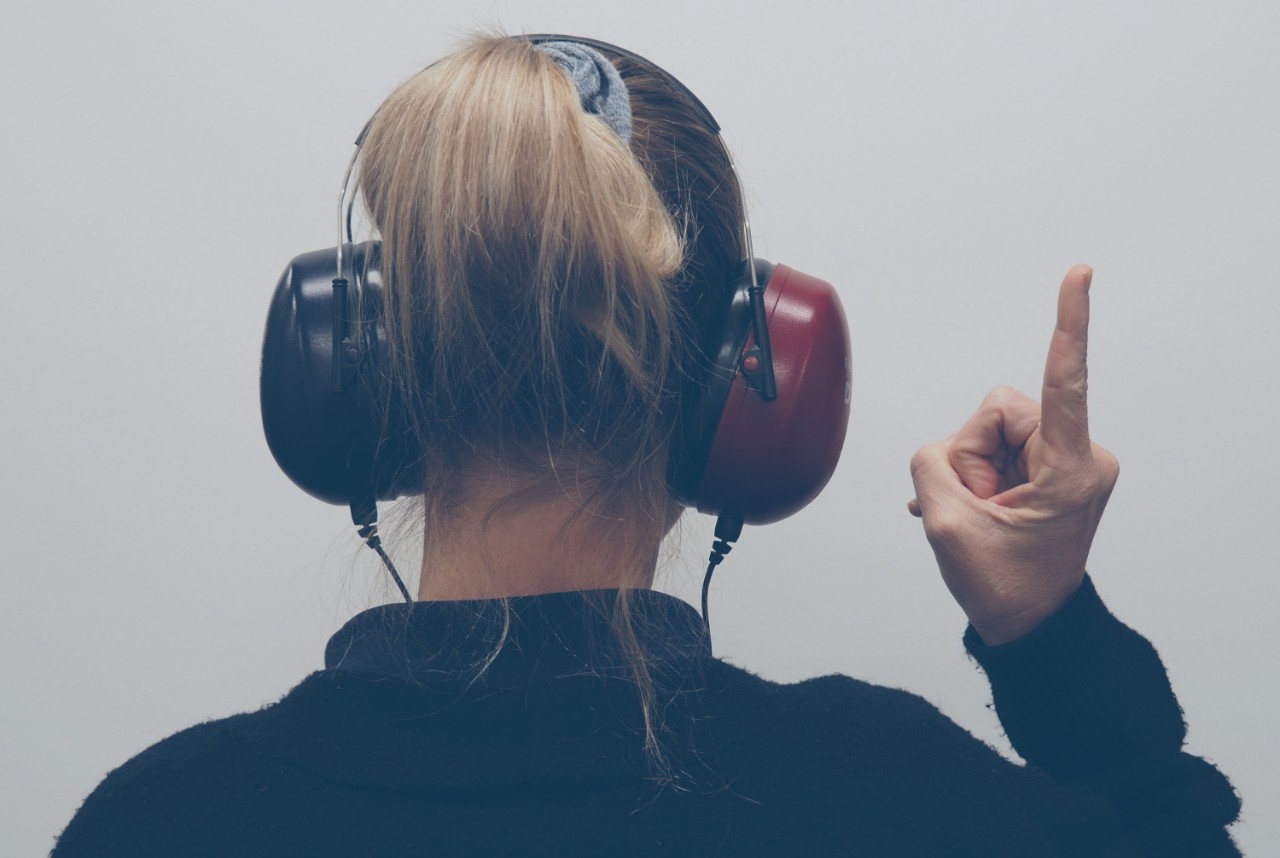
Before investing in any tinnitus masker or hearing aid, it’s essential to consult with a qualified audiologist. They will:
- Evaluate Your Hearing: Conduct a comprehensive hearing assessment.
- Assess Tinnitus Severity: Determine the extent and frequency range of your tinnitus.
- Discuss Treatment Options: Recommend either a standalone masker or an integrated hearing aid based on your needs.
- Create a Customised Plan: Develop a tailored sound therapy regimen that might include a tinnitus masker app or wearable device.
Setting up your tinnitus masker
Device calibration and customisation
When setting up your device, follow these steps:
- Initial Calibration: Work with your audiologist to calibrate the device so that it matches your tinnitus profile.
- Adjust Volume and Frequency: Ensure that the masker effectively covers the tinnitus without overwhelming your natural hearing.
- Test Different Sounds: Experiment with various sound options—from white noise to nature sounds—to determine what works best.
Future trends in tinnitus management
Emerging technologies and research
Research into tinnitus management is rapidly evolving. Some of the exciting areas of innovation include:
- Neuro-modulation Techniques: Approaches that aim to directly alter the brain’s neural activity associated with tinnitus.
- Enhanced Sound Therapy Algorithms: These promise more personalised and adaptive masking based on real-time feedback.
- Integration with Smart Home Devices: Allowing for seamless transitions between different sound environments throughout the day.
The evolution of sound therapy in Australia
Australian audiology practices are increasingly adopting advanced sound therapy techniques. With local research and clinical trials underway, the future looks promising for those who suffer from tinnitus. Patients can expect devices that are more user-friendly, cost-effective, and capable of delivering long-term relief.
FAQs about tinnitus noisers and maskers
Why is silence bad for tinnitus?
Maskers for tinnitus work by generating external sounds that blend with or cover the internal noise. By providing a steady background sound, these devices help divert your attention away from the persistent ringing or buzzing. Whether you choose a standalone device or an integrated hearing aid with masking capabilities, the goal is to create an auditory environment that facilitates relaxation and reduces the noticeable impact of tinnitus.
Is there anything that really works for tinnitus?
While there is no universal cure for tinnitus, many treatments offer significant relief. Sound therapy, including tinnitus maskers and hearing aids with masking capabilities, has helped many individuals manage their symptoms effectively. Additionally, counselling and lifestyle modifications can also play a role in reducing the perceived burden of tinnitus.