Digital hearing aids: models and features
A complete guide and review of the best digital hearing aids
Digital hearing aids represent a major leap forward in hearing technology, offering clearer, more natural and more personalised sound than ever before. Unlike older analogue devices, which simply amplified all sounds at once, digital hearing aids use advanced computer chips to analyse the listening environment in real time.
This allows them to separate speech from background noise, reduce unwanted sounds and deliver sharper clarity—whether the wearer is at home, in conversation or in a busy public space. One of the most significant advantages of digital hearing aids is their ability to be finely programmed to match each user’s unique hearing profile. Audiologists can adjust multiple settings, including frequency response, noise reduction and microphone directionality, ensuring the device supports the wearer’s lifestyle and specific hearing needs. Many models even adapt automatically to changes in sound environments.
Digital hearing aids also offer modern conveniences such as Bluetooth connectivity, allowing direct streaming of phone calls, music and TV audio. Rechargeable options eliminate the hassle of battery changes, while smartphone apps give users discreet control over volume and programmes. With benefits ranging from improved speech understanding to advanced noise management and seamless connectivity, digital hearing aids provide a powerful, comfortable and future-ready solution for people experiencing hearing loss
Digital hearing aid cost on average in the UK
In the UK, the cost of digital hearing aids varies significantly depending on technology level, features, brand and whether you purchase privately or through the NHS. Private digital hearing aids typically range from around £500 to over £3,500 per device, with prices reflecting differences in advanced noise reduction, rechargeable options, Bluetooth connectivity and adaptive processing. Premium models with cutting-edge features sit at the higher end of this scale, while basic digital devices are more affordable. The cost quoted by high-street providers often includes consultations, fittings, follow-ups and warranties, which can add value beyond the device itself.
By contrast, NHS hearing aids are provided free of charge to eligible patients as part of NHS care, although choice of models and advanced features may be more limited compared with private options. Here’s a simple comparison of typical private digital hearing aids available in the UK:
Model | Price Range | Description |
|---|---|---|
| Entry-Level Digital |
From £500–£1,300 |
Basic digital processing, suitable for quieter environments. |
| Mid-Range Digital |
From £1,300–£2,000 |
Better noise reduction, directional microphones, improved clarity. |
| Premium Digital |
From £2,000–£3,500+ |
Advanced adaptive tech, rechargeability, Bluetooth and auto-environment adjustment. |
Because prices can differ by clinic and hearing-care package, it’s advisable to compare options and include aftercare when budgeting for your hearing aids.
Digital NHS hearing aid models
Digital NHS hearing aid models are provided free of charge to eligible patients in the UK as part of standard NHS care. These devices use modern digital technology to improve clarity, reduce background noise and support better speech understanding, making them suitable for a wide range of hearing losses. Unlike older analogue devices, digital NHS models convert sound into digital signals, allowing more precise processing and customisation based on each person’s unique hearing profile.
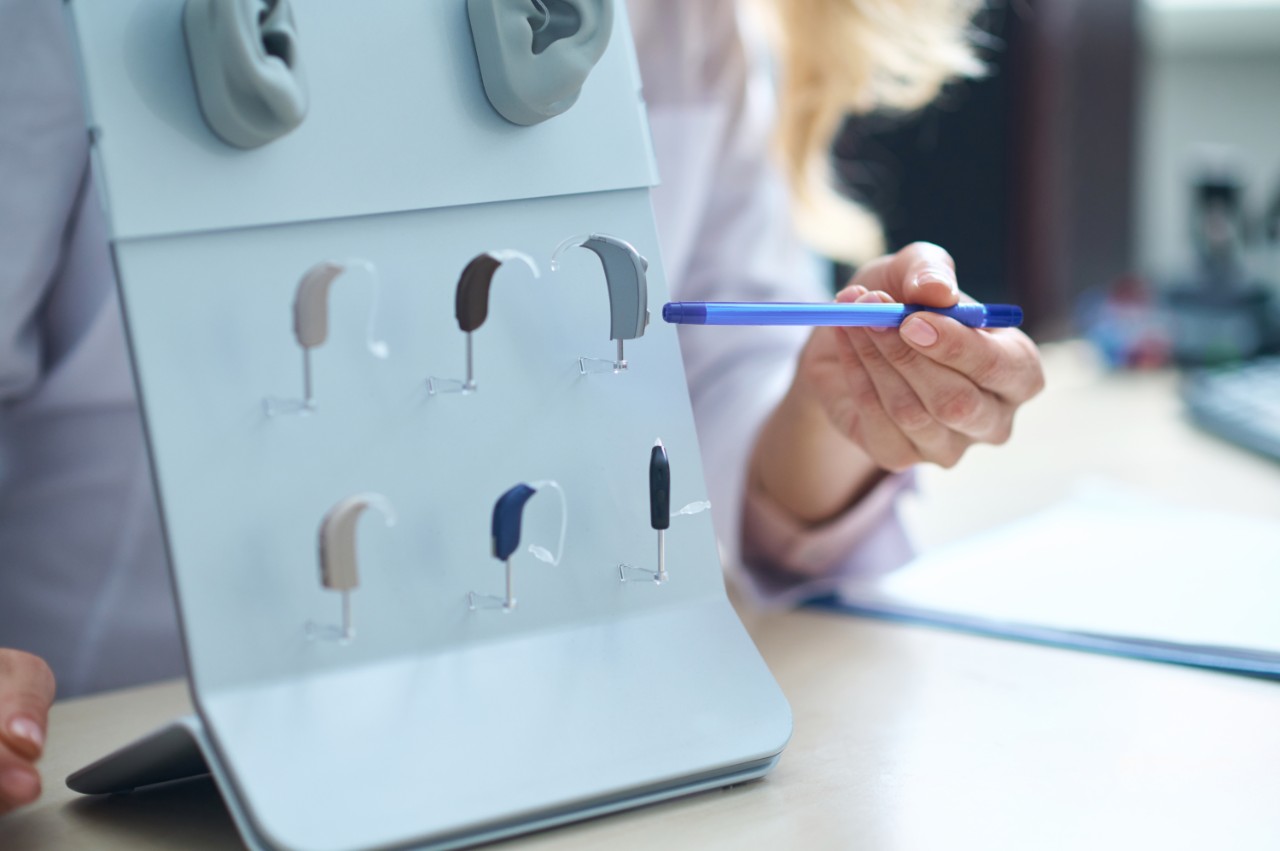
NHS audiology services typically offer a selection of trusted digital hearing aids that cover essential features such as automatic sound-environment adjustment, feedback suppression and direction-focused microphones. Some models also include rechargeable batteries or compatible rechargeable options, making daily use more convenient and reducing the need for frequent battery changes. While the specific brands and styles can vary by NHS clinic and region, patients can generally access behind-the-ear (BTE), receiver-in-canal (RIC) and in-the-ear (ITE) configurations to suit comfort preferences and degree of hearing loss.
Fittings are personalised by NHS audiologists, who programme the digital hearing aids based on audiometric tests and ongoing feedback. Follow-up appointments help fine-tune performance over several weeks, ensuring optimal benefit. Although NHS digital models may not always have the full range of advanced features found in premium private options—such as extensive Bluetooth streaming or dedicated smartphone control—they provide effective, clinically supported solutions for most daily listening needs. Overall, digital NHS hearing aid models play a vital role in accessible hearing care throughout the UK.
When were digital hearing aids first introduced?
Digital hearing aids were first introduced in the late 1980s, but they became practical and widely available to the public in the mid-1990s.
Key milestones:
- Late 1980s: Early experimental digital hearing aids were developed in research settings. These prototypes were large and not suitable for everyday use.
- 1991–1995: Breakthroughs in microprocessor technology made it possible to create smaller, wearable digital devices.
- 1996: Often cited as the true beginning of the digital hearing-aid era. This is when several manufacturers released the first commercial, fully digital hearing aids. Widex’s Senso (1996) is one of the best-known early models.
- Late 1990s–early 2000s: Digital technology rapidly improved, becoming the standard for most major hearing-aid brands.
What is a digital hearing aid?
How it works
- Microphone: Picks up sound from the environment.
- Digital Signal Processor (DSP): Converts sound into digital data and applies advanced algorithms to improve clarity, reduce background noise and emphasise speech.
- Amplifier: Boosts the processed sound based on the user’s hearing needs.
- Receiver (speaker): Delivers the enhanced sound into the ear.
Key features
- Noise reduction: Detects and reduces unwanted background noise.
- Feedback control: Minimises whistling or squealing sounds.
- Directional microphones: Focus on speech coming from specific directions.
- Programmability: Customised by audiologists for different environments.
- Connectivity: Many digital hearing aids connect to smartphones, TVs and other devices via Bluetooth.
Benefits
Advantages of digital hearing aids
Superior sound quality
Personalisation
Noise reduction and feedback control
Connectivity
Overall, digital hearing aids deliver clearer sound, greater comfort, improved speech understanding and a more personalised hearing experience, enhancing communication and quality of life.
Types of digital hearing aids
BTE digital hearing aids
Digital in-ear hearing aids
invisible digital hearing aids
Mini digital hearing aids
Together, these types give wearers a wide range of digital hearing solutions to match their needs and preferences.
How do digital hearing aids work?
Digital hearing aids work by using advanced computer technology to capture, analyse and enhance sound in a way that matches the wearer’s hearing needs. Unlike older analogue devices, which simply amplified all sounds, digital hearing aids process sound with precision to improve clarity and reduce unwanted noise.
- The process begins when the microphone picks up sound from the environment. This sound is converted into digital data by the hearing aid’s Digital Signal Processor (DSP). The DSP is the “brain” of the device, analysing the incoming sound thousands of times per second. It separates speech from background noise, reduces wind or traffic sounds, and adjusts amplification based on the user’s hearing prescription.
- After processing the sound, the hearing aid’s amplifier boosts the cleaned, optimised signal to a level appropriate for the wearer’s hearing loss. Finally, the receiver (or speaker) delivers the enhanced sound into the ear.
- Modern digital hearing aids also include features such as directional microphones, Bluetooth connectivity, feedback suppression and automatic environmental detection. Many models can connect to smartphone apps, allowing users to adjust volume and settings discreetly.
Overall, digital hearing aids work by transforming sound into clean, personalised audio, offering a more natural and comfortable listening experience across everyday environments.
How long do digital hearing aids last?
What affects their lifespan?
- Build quality: Premium models often use more durable components designed to withstand moisture, dust and daily wear.
- Battery type: Rechargeable lithium-ion batteries usually last around 3–5 years before needing replacement, which can influence overall device longevity.
- Technology updates: Many users upgrade after 4–6 years to access new features such as improved noise reduction, AI processing or better connectivity.
- Maintenance habits: Regular cleaning, filter changes and professional servicing all help extend the life of digital hearing aids.
- Earwax and moisture exposure: These are common causes of damage. Using drying boxes or dehumidifiers can significantly increase lifespan.
When do people typically replace them?
Most people choose to replace their hearing aids when
- performance declines,
- repairs become frequent or costly,
- newer models offer significant improvements,
- or their hearing needs change.
NHS vs. private
Difference between analog and digital hearing aids
Analog Hearing Aids
- How they work: Amplify all sounds continuously in the same way.
- Sound quality: Can feel louder but less clear, especially in noisy environments.
- Adjustments: Settings can be changed manually, but customisation is limited.
- Technology level: Older, simpler and generally less expensive.
- Best for: People who prefer straightforward amplification without advanced features.
Digital Hearing Aids
- How they work: Convert sound into digital signals, process it with computer chips, then deliver clear, refined sound.
- Sound quality: Much clearer and more natural because speech can be separated from background noise.
- Features: Noise reduction, feedback control, directionality, Bluetooth streaming, rechargeable batteries and AI-driven processing.
- Adjustments: Highly customisable based on the user’s hearing test, lifestyle and environment.
- Best for: Most users today, especially those needing clarity in noise or wanting modern features.
- Analog = amplifies all sound equally (simple, basic).
- Digital = processes sound intelligently (clearer, personalised, feature-rich).
- Today, digital hearing aids are the standard worldwide because they offer superior clarity, comfort and adaptability.
Are digital hearing aids better than analog ones?
Yes, digital hearing aids are widely considered better than analogue ones, and they have become the modern standard across the UK and globally.
- While analogue hearing aids simply amplify all incoming sounds, digital devices process sound using advanced computer chips, creating a much clearer and more comfortable listening experience. This difference in technology leads to several important advantages.
- Digital hearing aids can distinguish speech from background noise, making conversations easier to follow in busy environments such as restaurants, shops or family gatherings. Analogue devices amplify both speech and noise equally, which can make loud settings overwhelming. Digital models also feature feedback suppression, helping prevent the high-pitched whistling that used to be common with older analogue aids.
- Another major benefit is personalisation. Digital hearing aids can be programmed precisely to match an individual’s hearing test results, adapting amplification across different frequencies. They also offer multiple listening programmes, automatic sound adjustment and directional microphones that focus on the person speaking.
- Modern digital hearing aids often include Bluetooth connectivity, AI sound processing, rechargeable batteries, and compatibility with smartphone apps—all features analogue devices cannot support.
- While analogue hearing aids can still work for very simple amplification needs, digital hearing aids provide far superior clarity, comfort and technology, making them the preferred choice for most people today.
Digital hearing aids features and technologies
Digital noise reduction
Programmable hearing aids
Digital signal processing (DSP)
Digital hearing aid manufacturers and brands
Digital hearing aid manufacturers have transformed the hearing-care landscape by combining advanced sound processing with user-friendly technology.
- Today’s leading brands like Amplifon offer devices that automatically adapt to different listening environments, reduce background noise, and deliver clearer, more natural sound.
- While many people first encounter digital hearing aids on Amazon, where a wide range of OTC and entry-level products is available, the most sophisticated solutions typically come from established manufacturers known for their clinical research and professional-fitted devices.
- Among these, Oticon digital hearing aids stand out for their BrainHearing™ approach, which prioritises how the brain interprets sound rather than simply amplifying it. This results in a more balanced and less tiring listening experience, particularly in complex sound environments. Oticon’s premium models also offer advanced connectivity for streaming calls, music, and TV directly to the ear.
- Similarly, Starkey digital hearing aids are recognised for their strong focus on innovation, especially in the fields of artificial intelligence and health-tracking features. Some models integrate fall detection, language translation, and hands-free communication, making them appealing to people who want multifunctional hearing technology.
- Together, these manufacturers highlight how modern digital hearing aids now offer far more than amplification, providing personalised, connected, and intelligent solutions for everyday hearing challenges.
Boots and Specsavers digital hearing aids
Boots and Specsavers are two of the UK’s best-known high-street providers of digital hearing aids, each offering a range of modern solutions alongside professional audiology support. Boots Hearingcare has a large national presence with hundreds of branches, where trained audiologists provide free hearing tests and help customers choose suitable digital hearing aids based on lifestyle and hearing needs. Boots stocks a variety of private models from major manufacturers, often including Bluetooth connectivity, rechargeable options and advanced sound-processing technology, with prices reflecting the level of tech and features chosen.
Specsavers Hearing also offers a wide selection of digital hearing aids, from discreet invisible models to rechargeable and Bluetooth-enabled devices, starting with its own Advance range and incorporating products from global brands. Their digital range at Specsavers is designed to meet diverse hearing needs and includes aftercare services once you’re fitted with your devices.
Importantly, Specsavers can also fit Specsavers digital NHS hearing aid models in areas where they are accredited to provide NHS services, meaning eligible patients can receive fully funded NHS digital hearing aids with ongoing support.
Both retailers emphasise personalised care and ongoing support, but the choice between Boots and Specsavers may come down to the specific brands, technology levels, service preferences and whether you seek NHS-funded versus private hearing solutions.
Phonak digital hearing aids: things to know
Phonak is a long-established Swiss hearing aid manufacturer known for advanced digital hearing aids that combine high-quality sound processing with modern connectivity and adaptive technology. Founded in 1947 and now part of the Sonova Group, Phonak produces a broad range of digital solutions designed for people with mild to profound hearing loss.
One key strength of Phonak digital hearing aids is their adaptive sound technology. Most models use AutoSense OS and SmartSpeech™ systems to automatically analyse and adjust to different listening environments, improving speech understanding in noise without constant manual changes. Many devices also offer advanced noise reduction and digital signal processing, helping wearers focus on important sounds while filtering out distracting background noise.
Connectivity is another hallmark: Phonak hearing aids typically include Bluetooth streaming, allowing direct connection to smartphones, TVs and other devices, and some models can pair with multiple devices simultaneously. Rechargeable options are widely available, making daily use more convenient and reducing reliance on disposable batteries.
Phonak offers a variety of styles—from discreet in-ear custom fittings to behind-the-ear models—and supports users with a companion app for fine-tuning settings and remote adjustments via their hearing care professional. Overall, Phonak digital hearing aids are recognised for blending digital sophistication, real-world performance and user-focused features.
Best digital hearing aids in the UK
Oticon Intent 1
Phonak Audéo Infinio
Widex Moment
Many hearing care providers across the UK—including Specsavers, Hidden Hearing and Amplifon—offer tailored fittings and support to help you find the right digital hearing aid for your specific hearing loss, lifestyle and budget. Because the best choice depends on individual needs, professional assessment and personalised tuning remain essential.
Digital rechargeable hearing aids: things to know
Digital rechargeable hearing aids have quickly become one of the most popular choices for people seeking convenience, comfort and modern hearing technology.
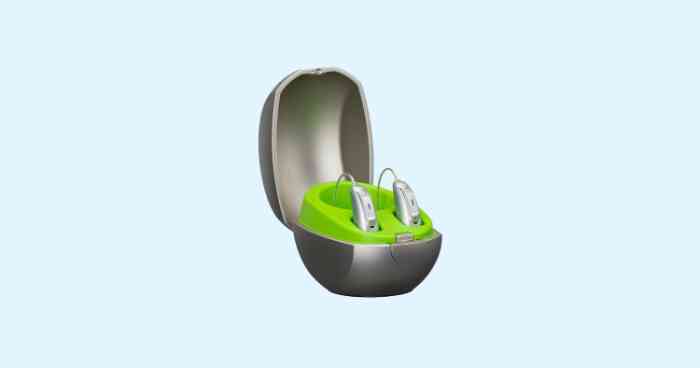
- Instead of relying on disposable batteries, these devices use built-in lithium-ion power cells that deliver a full day of listening on a single charge. This makes them ideal for users who want a simple, hassle-free routine—just place the hearing aids in their charger overnight and they’re ready the next morning.
- A key advantage of digital rechargeable hearing aids is their ability to support advanced features such as Bluetooth streaming, AI-based sound processing and real-time noise reduction without draining power too quickly. Their digital signal processing analyses and adapts to the surrounding environment automatically, helping wearers hear clearly even in challenging settings like busy cafés or outdoor areas with wind noise.
- For those who prefer smaller, more discreet devices, mini rechargeable hearing aids offer the same high-tech performance in a compact design. These lightweight models often sit comfortably behind the ear with a slim receiver wire or can be custom-made to fit inside the ear canal. Despite their size, mini rechargeables typically provide strong battery life and seamless connectivity.
- Overall, digital rechargeable hearing aids combine ease of use with cutting-edge technology, making them a practical and future-proof choice for everyday hearing support.
Advanced and latest digital hearing aid technology
AI-driven sound processing
Digital signal processing
Rechargeable lithium-ion technology
Health-tracking features
Overall, advanced digital hearing aid technology is creating smarter, more intuitive and more user-friendly hearing solutions, enhancing communication and quality of life.
Cheap digital hearing aids: are they worthy?
What “cheap” often means
Lower-priced digital hearing aids typically offer basic amplification and simple digital processing. They may help with general hearing improvement in quiet environments, but they usually lack advanced features found in mid-range and premium models, such as:
- sophisticated noise reduction
- adaptive directional microphones
- Bluetooth connectivity
- rechargeable batteries
- automatic environment switching
Pros of cheap digital hearing aids
- Lower cost: More affordable for people on a tight budget or first-time users.
- Basic benefit: They can make everyday sounds louder and help with simple listening situations.
- Accessible: Often available online or over-the-counter without a clinic visit.
Limitations
- Sound quality: Cheaper processing and microphones can make background noise harder to manage.
- Comfort and fit: Less customisation and fewer style options.
- Aftercare: Limited professional support for fitting, tuning and follow-ups.
- Durability: Lower build quality may mean shorter lifespan.
Are they worthy?
Digital Bluetooth hearing aids and loop systems
Digital Bluetooth hearing aids and loop systems work together to make modern listening more accessible, convenient and clear for people with hearing loss. Today’s digital Bluetooth hearing aids use advanced wireless technology to connect directly to smartphones, TVs, tablets and other audio devices. This allows wearers to stream phone calls, music, videos and navigation instructions straight into their ears with improved clarity and reduced background noise. Bluetooth connectivity also enables remote control through smartphone apps, letting users adjust volume, programmes and sound settings discreetly.
While Bluetooth is excellent for personal audio streaming, hearing loop systems (also known as induction loops or T-loops) remain essential in many public environments. Loops are installed in places like theatres, banks, churches, train stations and lecture halls. When a hearing aid is set to the T-coil (telecoil) setting, the loop system sends sound signals directly to the device, bypassing background noise and reverberation. This ensures that announcements, performances and speeches are heard clearly, even in large or noisy spaces. Modern digital hearing aids often include both Bluetooth and T-coil technology, giving wearers flexibility depending on the situation. Bluetooth delivers personalised, everyday connectivity, while loop systems provide reliable access to public audio. Together, they create a powerful combination that enhances communication and improves hearing accessibility in both private and public settings.
Digital hearing aid reviews
Digital hearing aid reviews are essential tools for anyone considering an upgrade or first-time purchase. They provide real-world insights into performance, comfort, durability and user satisfaction—beyond what manufacturers’ specifications alone can tell you. Reviewers often focus on key factors such as sound quality, noise reduction, battery life, connectivity features (like Bluetooth), ease of use and the effectiveness of automatic sound adjustments.
Many reviewers compare models from leading brands, highlighting strengths and limitations. For example, premium digital hearing aids are frequently praised for advanced noise management, intuitive smartphone apps and seamless Bluetooth streaming, making phone calls and media more accessible. Mid-range models often receive favourable reviews for striking a balance between performance and cost, especially when paired with professional fittings. Entry-level devices may be recommended for mild hearing loss or as budget-friendly introductions, though some users note compromises in background noise suppression or adaptive features.
User reviews also emphasise comfort, discreetness and reliability—important aspects that vary widely between behind-the-ear (BTE), receiver-in-canal (RIC) and in-ear designs. Many reviewers highlight the value of professional aftercare, noting that custom fitting and fine-tuning significantly impact real-world satisfaction.
Overall, digital hearing aid reviews help prospective buyers make informed decisions, compare brands and models, and find devices that align with their hearing needs, lifestyle and budget.
Digital hearing aids for tinnitus: things to know
Digital hearing aids for tinnitus have become one of the most effective tools for managing constant ringing, buzzing or humming in the ears. While they are primarily designed to improve hearing, modern digital devices include features that can significantly reduce the perception of tinnitus and make daily life more comfortable.
One of the main benefits is that digital hearing aids amplify external sounds, which helps mask internal tinnitus noises. When the brain receives clearer environmental sound, it becomes less focused on the tinnitus signal, often reducing its intensity. Many digital hearing aids also include built-in tinnitus maskers—soothing sounds like white noise, ocean waves or soft tones that help distract the brain and provide relief.
Advanced digital models use AI-driven sound processing and digital signal processing (DSP) to reduce background noise while enhancing speech clarity. This helps people with both hearing loss and tinnitus follow conversations more easily, which can reduce frustration and stress—factors that often worsen tinnitus.
Several devices allow users to control tinnitus relief features via smartphone apps, making it easy to adjust masking sounds, volume or soundscapes throughout the day. Professional fitting is essential, as audiologists tailor the device settings to match both hearing needs and tinnitus perception.
Overall, digital hearing aids offer a powerful combination of amplification, sound therapy and personalisation, making them one of the most effective non-medical approaches to tinnitus management.
With you on your journey to better hearing.
It's time to finally treat your hearing loss. Sign up for a free consultation with a licensed hearing care professional today to determine if you have hearing loss. It’s the start of your journey towards better hearing.
EarPros benefits:
- Free no obligation hearing test
- best partner with more than 1,000 clinics globally