Earbuds are widely used for music and calls, but some models now offer features that may assist with mild hearing difficulties. Discover if earbuds can be used as hearing aids, how they compare to dedicated hearing devices, and when professional solutions might be necessary for optimal hearing support.
"Hearing aids cost thousands of dollars, and a good pair of wireless earbuds costs a hundred. Why not just use those?" It's one of the most common questions we hear, often from adult children looking for a cheaper option for an aging parent. A few years ago the honest answer was "not really." Today it's more interesting: AirPods Pro now include an FDA-cleared hearing aid feature, Samsung has FDA clearance for a similar feature on its newest Galaxy Buds, and there are hearing aids designed to look just like earbuds. Regular earbuds, though, still offer only basic sound amplification. In this guide we explain what earbuds as hearing aids can and can't do, how to set them up on iPhone and Android, which earbuds work best, and when it's time for professional hearing aids.
Key takeaways
- Regular earbuds can amplify sound, but they don't adjust to your specific hearing loss.
- Apple earbuds: AirPods Pro 2 and 3 have a Hearing Aid mode for adults 18+ with perceived mild to moderate hearing loss, set up with a built-in hearing test.
- Samsung earbuds: Galaxy Buds3 Pro and Buds4 Pro are getting an FDA-cleared Hearing Aid feature, rolling out in the US in Q4 2026.
- Live Listen turns an iPhone into a remote microphone for AirPods and Beats; on Android, Google's free Sound Amplifier works with most earbuds.
- Bose, Sony and Raycon earbuds offer aware or transparency modes, not hearing aid features.
- Start with a hearing test: it tells you whether earbuds can be enough or you need a hearing aid.
Earbuds as hearing aids: can they work?
Earbuds that work as hearing aids are gaining popularity due to their affordability and discreet design compared to traditional hearing aids. Some wireless earbuds, like AirPods, offer sound amplification features such as Live Listen, which uses the phone's microphone to capture surrounding sounds and transmit them to the earbuds. These settings, adjustable through an app, can help amplify soft sounds and reduce background noise, making conversations clearer in noisy environments. While earbuds as hearing aids can assist with mild hearing difficulties, they may lack the advanced features of dedicated hearing devices for more significant hearing loss.
So, using earbuds as hearing aids works up to a point. Most earbuds can pick up the sounds around you and make them louder, either through a transparency mode or through an app that uses your phone's microphone. For people with mild hearing difficulties, that basic sound amplification can help in specific situations, like a noisy restaurant or watching TV. But do earbuds work as hearing aids in the full sense? Only a few models with a dedicated, FDA-cleared feature come close. In practice, earbuds fall into three categories:
Category | What it does | Who it's for | Examples |
|---|---|---|---|
| Regular earbuds with ambient or transparency mode |
Let outside sound in, sometimes slightly boosted |
People with normal hearing who want to stay aware of their surroundings |
Most mid-range and premium earbuds |
| Earbuds with sound amplification features |
Amplify sound, often through the phone's microphone or an app |
Difficult listening situations or very mild difficulties |
AirPods with Live Listen, Android with Sound Amplifier |
| Earbuds with an FDA-cleared hearing aid features |
Adjust amplification by frequency based on a hearing test |
Adults 18+ with perceived mild to moderate hearing loss |
AirPods Pro 2 and 3; Galaxy Buds3 Pro and Buds4 Pro (from Q4 2026) |
Earbuds and hearing aids are built for different jobs:
Feature | Regular earbuds | Hearing aids |
|---|---|---|
| Main purpose |
Music, video, calls |
Compensating for hearing loss |
| Fitting |
None, or a generic EQ |
Programmed to your hearing test (prescription) or self-fitted (OTC) |
| Amplification |
Turns everything up |
Boosts the specific frequencies you struggle with |
| Noise handling |
Noise cancellation for listening comfort |
Noise reduction and directional mics to bring out speech |
| Loud sounds |
Not always controlled |
Limits sounds that get too loud |
| Battery |
A few hours per charge |
Designed to last all day |
| Category |
Consumer electronics |
Medical device |
- Hearing loss isn't the same at every frequency: Most hearing loss affects high-pitched sounds first, where consonants like s, f and th live, while low-pitched sounds stay close to normal. That's why speech can sound muffled even when it's loud enough. A regular earbud turns everything up equally, so the sounds you struggle with stay unclear while the ones you already hear well get louder than they need to be: voices, but also the clatter of plates, traffic and wind. Cranking up the volume to understand speech also means exposing your ears to louder sound, which can cause further damage.
- Your own voice sounds "in your head": Most earbuds seal the ear canal tightly to improve music and noise cancellation. When you use them to hear the world around you, your own voice sounds boomy and muffled, and even chewing gets amplified. This is called the occlusion effect, and it's one reason many hearing aids are open-fit or have a small vent.
- Battery life and comfort: Earbuds are designed for listening sessions, not for wearing from morning to night. In Techlicious testing, AirPods Pro lasted nearly 7 hours in transparency mode, while rechargeable hearing aids are designed to last the whole day. Soundly, a retailer of OTC hearing aids that tested AirPods Pro as a hearing aid, reported some fatigue after about an hour and a half and suggests one- to two-hour sessions.
What a hearing aid does that earbuds don't
Beyond personalized amplification, a hearing aid:
- caps sounds that get too loud, so they stay comfortable;
- turns down steady background noise, like traffic or air conditioning, so speech stands out;
- uses directional microphones to focus on the person in front of you;
- cancels feedback, the whistling that happens when amplified sound leaks back into the microphone;
- adapts automatically to different settings, from home to a busy restaurant.
As one Reddit user put it in a discussion on this very topic: if you try to replicate all of these features on an earbud, you'll eventually end up building a hearing aid all over again.
How to use my earbuds as hearing aids?
To use your earbuds as hearing aids, follow these steps:
- Check for sound amplification features: Some wireless earbuds, like AirPods, have a built-in feature called Live Listen that amplifies sound. Make sure your earbuds support similar features
- Enable the feature: If your earbuds have sound amplification settings, enable them through the associated app or the device's settings (for AirPods, Live Listen is turned on from Control Center on your iPhone or iPad)
- Connect to your phone: Most earbuds that work as hearing aids need to be connected to your smartphone or tablet via Bluetooth to function. The phone's microphone will pick up ambient sounds and transmit them to the earbuds
- Adjust the volume and settings: Once connected, adjust the sound amplification settings, volume, and clarity through the app or device settings to suit your needs
- Use in noisy environments: These earbuds are particularly useful in noisy settings, as they help focus on specific sounds, like conversations, while reducing background noise
How to use earbuds as hearing aids in practice depends on your phone and your earbuds. Here are the main options, from the most advanced to the most basic:
- Earbuds with a built-in hearing aid feature: AirPods Pro 2 and 3 on iPhone (see the Apple section below) and, from Q4 2026, Samsung Galaxy Buds3 Pro and Buds4 Pro on Galaxy phones.
- A phone feature that turns your phone into a microphone: Live Listen on iPhone (AirPods and Beats only) or Sound Amplifier on Android.
- A third-party app to use earbuds as a hearing aid, for any Bluetooth earbuds.
- The earbuds' own transparency or aware mode, which lets outside sound in but doesn't amplify it for hearing loss.
How to use my earbuds as hearing aids with Live Listen (iPhone)
Live Listen turns your iPhone or iPad into a remote microphone that sends sound to your earbuds, which helps you hear a conversation in a noisy room or someone across the table. It works with AirPods, AirPods Pro, AirPods Max and several Beats models, on iOS or iPadOS 14.3 or later.
- Open Control Center, tap Add Controls, then Add a Control.
- Under Hearing Accessibility, tap Live Listen.
- With your earbuds in and connected, open Control Center and tap the Live Listen button.
- Place your iPhone in front of the person you want to hear, and adjust the volume if needed.
App to use earbuds as a hearing aid
Tips to get better results
- Get the fit right: try all the ear tip sizes in the box. A good seal improves sound quality, while tips that are too small let sound leak out
- Start low: begin at a low amplification level and raise it gradually. Sound that is too loud for long periods can further damage your hearing
- Put the microphone where the sound is: with phone-based features like Live Listen, place the phone close to the person speaking, for example in the middle of the table at a restaurant
- Watch the delay: when sound travels from the phone to the earbuds via Bluetooth, you may notice a slight lag between lip movements and what you hear. It varies by device, and wired headphones usually reduce it
- Keep a charged case nearby: amplification drains the battery faster than music playback
Personal sound amplifiers and "pocket talkers"
Bluetooth earbuds that look like hearing aids
There are several Bluetooth earbuds that are designed to resemble hearing aids, offering both a discreet look and functionality for people with mild hearing difficulties. Some models include:
- Enacfire E60 earbuds: Bluetooth earbuds that, while not specifically hearing aids, offer sound amplification features, making them a discreet and affordable option for those with mild hearing difficulties
- Bose Earbuds as hearing aids: Although not technically hearing aids, these Bluetooth-enabled earbuds are designed to enhance speech in noisy environments, making them look similar to hearing aids while offering hearing assistance features
- Samsung Earbuds as hearing aids: Samsung's Galaxy Buds Pro and Galaxy Buds Live include sound enhancement features that amplify speech in noisy settings, making them a subtle and affordable alternative to traditional hearing aids. These earbuds are designed to improve listening experiences for users with mild hearing loss
- Apple AirPods Pro 2 and AirPods Pro 3: earbuds with an FDA-cleared Hearing Aid feature that personalizes amplification for adults with perceived mild to moderate hearing loss (see the Apple section below)
- JLab Hear OTC: sold as an over-the-counter hearing aid with an earbud design, priced around $99, with preset programs and Bluetooth audio for music and calls
- Soundcore Liberty 4 Pro earbuds: These wireless earbuds feature HearID personalized sound testing, adjustable transparency mode and customizable sound settings. While they offer useful hearing-related features, they are not designed to replace dedicated hearing aids.
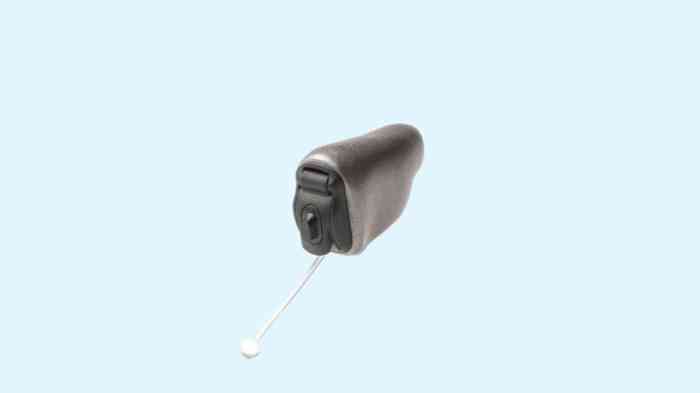
If what you like about earbuds is the look, hearing aids that look like earbuds combine a discreet, familiar style with real hearing aid features, and most also stream music and calls over Bluetooth. A note on the JLab Hear OTC: HearingTracker points out that it's an "instant-fit" device with presets rather than a self-fitting hearing aid, so personalization is limited and there's no professional support. It can be a budget starting point, but it isn't a substitute for a hearing evaluation.
How to use Enacfire E60 earbuds as hearing aids?
The Enacfire E60 are affordable Bluetooth earbuds, not hearing aids, and they don't have dedicated hearing aid settings: the amplification comes from your phone rather than from the earbuds themselves. Here's how to set them up:
- Pair the earbuds: take them out of the case and select them in your phone's Bluetooth settings
- Install an amplification app: on Android, open Sound Amplifier so the phone's microphone picks up nearby sound; on iPhone, use a third-party sound amplifier app, because Live Listen works only with AirPods and Beats
- Start at a low volume: raise the amplification gradually until speech is clear but not uncomfortable, and enable any audio enhancement your phone offers
- Fine-tune the sound: use the app's noise reduction and per-ear settings, if available, to improve clarity
Because the sound isn't tuned to your hearing and the microphone is in the phone, keep the volume moderate and use them only occasionally. For ongoing or worsening difficulties, a hearing test is the better first step.
Earbuds that work as hearing aids
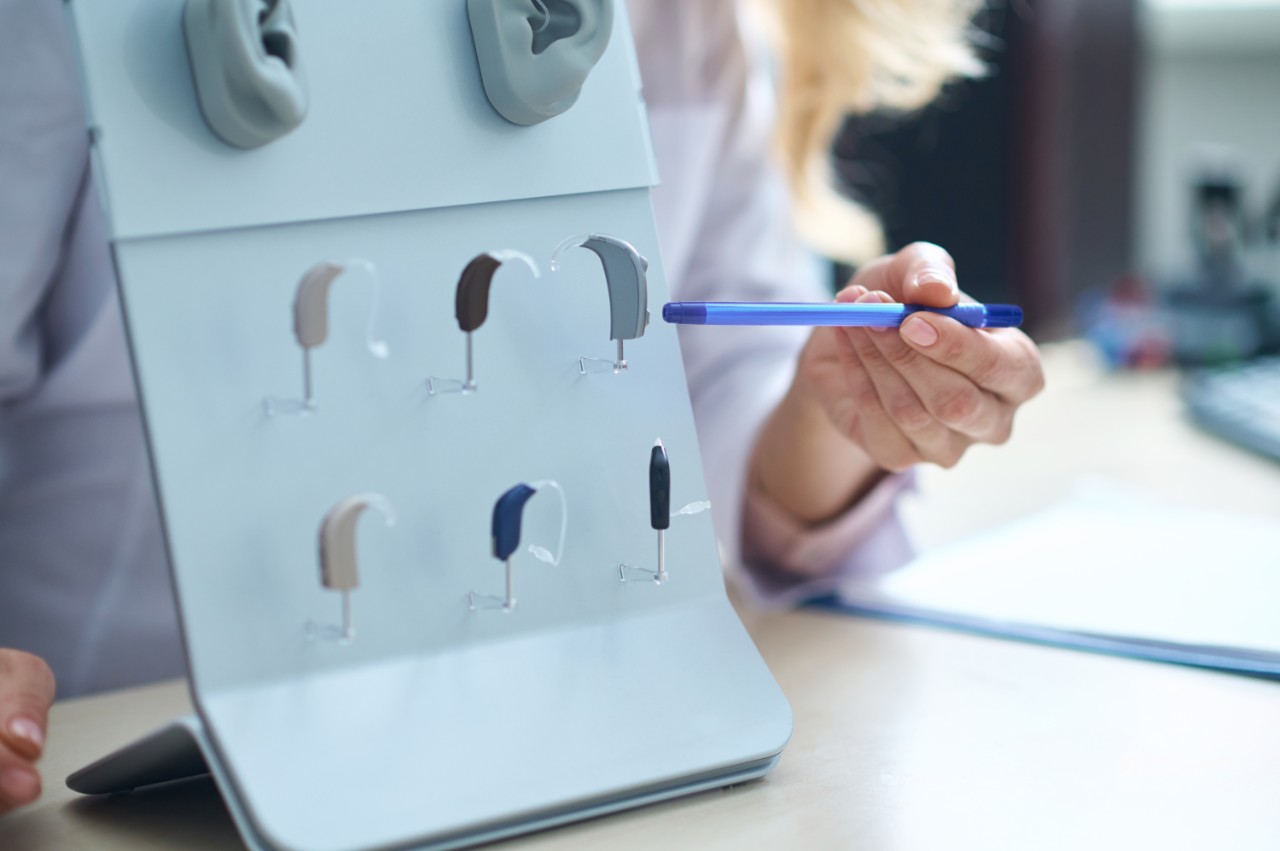
Are there earbuds that double as hearing aids? Yes, and the category is growing. Some are earbuds that gained an FDA-cleared hearing aid feature; others are hearing aids designed to look like earbuds. Here are the main earbuds that can be used as hearing aids today:
Device | Type | What to know |
|---|---|---|
| Apple AirPods Pro 3 / Pro 2 |
Earbuds with an FDA-cleared Hearing Aid feature |
Personalized with a built-in hearing test; iPhone or iPad needed for setup |
| Samsung Galaxy Buds3 Pro / Buds4 Pro |
Earbuds with an FDA-cleared Hearing Aid feature |
US rollout Q4 2026; Galaxy phone with One UI 8 or later required |
| JLab Hear OTC hearing aid and earbuds |
OTC hearing aid |
About $99 per pair; four preset programs instead of a hearing test; about 10 hours in hearing aid mode, 7 hours streaming, plus about 40 hours from the case; works with iOS and Android |
| Signia Active IX / Active Pro IX |
Prescription-grade hearing aid with an earbud design |
For mild to moderate loss, fitted through hearing care clinics; automatic directionality, Signia's Augmented Focus and audio streaming |
What about other earbuds?
In 2023, before Apple's current feature launched, Techlicious tested several earbuds as hearing helpers:
Earbuds | What Techlicious found |
|---|---|
| Apple AirPods Pro 3 / Pro 2 |
Best overall pick for iPhone users with mild to moderate loss; nearly 7 hours of battery in transparency mode |
| Samsung Galaxy Buds2 Pro |
Separate left/right volume, but amplification too weak and voices sounded hollow; about 8 hours in ambient mode |
| Sennheiser Conversation Plus |
Complicated setup, distortion at max volume, and an $849.95 price tag; not recommended |
The verdict: these earbuds can help in occasional situations, like watching TV or small groups, but none of them should be considered a replacement for an FDA-cleared OTC hearing aid. You can also learn more about this topic in our article dedicated to using Denon Perl Pro as hearing aids.
Best earbuds to use as hearing aids: what to look for
- Regulatory status: an "OTC hearing aid" is an FDA-regulated medical device; a "hearing amplifier" or PSAP is not intended to treat hearing loss
- Personalization: a hearing test or professional fitting, so sound is adjusted to your hearing frequency by frequency, not just made louder
- Battery life with amplification on: ideally all day, or at least a charging case you'll actually carry; check this figure, not music playback time
- Phone compatibility: Apple's feature needs an iPhone, Samsung's a Galaxy phone; hearing aids use Made for iPhone, ASHA or universal Bluetooth
- Comfort and fit: ear tip options to avoid a plugged-up feeling
- Auracast support: useful if you want to stream TV or public-venue audio in the future
- Return policy: fit and benefit are personal, so a trial period is valuable
Everyday earbuds with hearing-friendly features
Apple earbuds as hearing aids
Apple AirPods can be used as hearing aids to some extent, thanks to the Live Listen feature. This feature helps amplify sound and is useful in environments with background noise, allowing the user to hear conversations more clearly. Here's how to use AirPods as hearing aids:
- Enable live listen: On an iPhone or iPad, go to Settings > Control Center > Customize Controls and add Hearing. Then, when using your AirPods, swipe down to open the Control Center and tap the ear icon to activate Live Listen. On iOS 18 and later, controls are added directly from Control Center: open it, tap Add Controls, then Add a Control, and choose Live Listen under Hearing Accessibility
- Connect AirPods to your device: Pair your AirPods with your iPhone or iPad via Bluetooth
- Position the phone: Place your phone near the person or sound source you want to amplify. The phone's microphone picks up the sound and transmits it to the AirPods
- Adjust the volume: Use the volume controls on your device to adjust the amplification level according to your needs
While AirPods can be helpful for mild hearing difficulties, they do not replace professional hearing aids, which offer more specific sound amplification and customization.
Can AirPods be used as hearing aids?
Yes, some of them. Apple earbuds are the best-known example of earbuds that work as hearing aids: Apple rolled out its FDA-cleared Hearing Aid mode in the US in late 2024, with iOS 18.1, as a free software update. Unlike Live Listen, it uses the microphones in the earbuds themselves and adjusts amplification frequency by frequency based on your hearing profile.
Apple earbuds | Hearing Aid mode | Live Listen | Notes |
|---|---|---|---|
| AirPods Pro 3 |
Yes |
Yes |
Up to 10 hours in Hearing Aid mode; Hearing Protection; $249 at launch ($199 at HearingTracker, October 2026) |
| AirPods Pro 2 |
Yes |
Yes |
Up to 6 hours in Hearing Aid mode; often discounted at third-party retailers |
| AirPods, AirPods Max |
No |
Yes |
Basic amplification only, through the iPhone microphone |
| Beats (Powerbeats Pro, Beats Fit Pro and others) |
No |
Yes |
Basic amplification only |
How to use Apple earbuds as hearing aids
- Put in your AirPods and make sure they're connected.
- Open Settings, tap your AirPods' name, then tap Hearing Health > Hearing Assistance.
- Tap Set Up Hearing Assistance, then take the built-in Hearing Test (about five minutes), or use a previous result or an audiogram from a hearing care professional.
- Tap Set Up Hearing Aid and follow the prompts to Turn On Hearing Aid. Depending on your results, you may be offered Media Assist instead.
Your results are stored in the Health app, and your settings are saved on the AirPods, so the feature keeps working even when your iPhone isn't nearby. You can fine-tune amplification, left-right balance, tone and ambient noise reduction, and use Conversation Boost to focus on the person in front of you. Media Assist applies your profile to music, video and calls.
How much do AirPods cost as hearing aids?
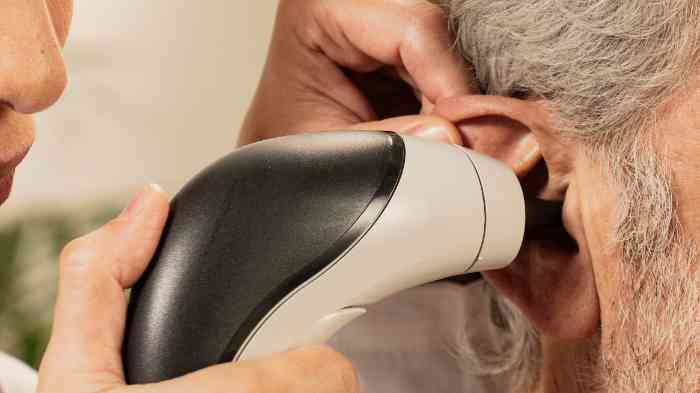
The Hearing Aid feature itself is free; you only pay for the earbuds. That's far less than most prescription hearing aids, but AirPods are designed for mild to moderate loss and part-time wear.
Hearing Aid mode vs. Live Listen
Feature | Live Listen | Hearing Aid mode |
|---|---|---|
| Compatible earbuds |
AirPods, AirPods Max and some Beats models |
AirPods Pro 2 and AirPods Pro 3 |
| Microphone used |
The iPhone or iPad microphone |
The microphones in the AirPods |
| Personalization |
Volume only |
Based on your hearing test or audiogram |
| Regulatory status |
General accessibility feature |
FDA-cleared OTC hearing aid software |
| Best for |
Hearing one speaker across a room or table |
Everyday mild to moderate hearing loss |
Apple earbuds as hearing aids: reviews
- Techlicious (2023, before Hearing Aid mode) named AirPods Pro the best overall pick for iPhone users with mild to moderate loss among the earbuds it tested.
- Soundly calls AirPods Pro 2 a low-risk starting point for people new to hearing aids, but reported fatigue after about 1.5 hours, more distortion in noisy places, and a sealed fit that reproduces outside sound rather than selectively enhancing speech.
- HearingTracker rates AirPods Pro 3 4.1 out of 5 in its Bluetooth hearing aid roundup, noting up to 10 hours in hearing aid mode and that an iPhone is needed for setup.
Limitations
Can you use Apple earbuds as hearing aids with Android?
Not really. You set up the feature on an iPhone or iPad, and Apple doesn't support it on Android; accessibility groups note it isn't guaranteed to work when AirPods are paired with an Android phone. Android users should look at the next section.
Using Bluetooth earbuds as hearing aids on Android
Android phones don't support Live Listen, but users can turn almost any Bluetooth earbuds into a basic hearing helper with Sound Amplifier, Google's free accessibility app. It uses your phone's microphone to filter, boost and amplify the sounds around you and sends them to your wired or Bluetooth headphones.
How to use earbuds as hearing aids on Android
- Download Sound Amplifier from Google Play, if it isn't already installed (it comes preinstalled on Pixel 3 and later and some other phones).
- Connect your earbuds or headphones.
- Go to Settings > Accessibility > Sound Amplifier and open the app.
- Adjust noise reduction, boost quiet sounds for soft speech, and use the frequency boost slider to bring up high- or low-pitched sounds. You can also adjust each ear separately for media playback.
On Pixel phones, a Conversation mode focuses on the voice of the person you're talking to in noisy places. Google notes that some Bluetooth headphones can add delay or reduce quality; if that happens, wired headphones work better. Keep in mind that Sound Amplifier is a listening aid, not a hearing aid: it isn't fitted to your hearing test, and it's best for occasional use.

Can Bose, Samsung, Sony and Raycon earbuds be used as hearing aids?
Apple isn't the only brand people ask about. Here's where the most-searched earbud brands stand:
Brand | Hearing aid feature? | What you get |
|---|---|---|
| Samsung |
Yes, on Galaxy Buds3 Pro and Buds4 Pro (US rollout Q4 2026) |
FDA-cleared Hearing Test and Hearing Aid features on Galaxy phones; older Buds offer ambient sound amplification only |
| Bose |
No |
QuietComfort Ultra Earbuds have an Aware mode with ActiveSense, not hearing aid amplification |
| Sony |
No, on everyday earbuds |
Some models offer a hearing-based EQ test; Sony's earbud-style OTC hearing aid has been discontinued |
| Raycon |
No |
Everyday Earbuds offer noise cancellation and an Awareness mode, with no hearing features listed |
| Beats |
No |
Live Listen on iPhone for basic amplification |
How to use Samsung earbuds as hearing aids
Samsung has FDA clearance for a Hearing Aid feature on the Galaxy Buds3 Pro and Galaxy Buds4 Pro, with a US rollout expected in the fourth quarter of 2026. It's designed for adults 18 and older with perceived mild to moderate hearing loss and requires a compatible Galaxy device running One UI 8 or later.
- Hearing Test: a self-administered test of about five minutes, found in the Galaxy Buds menu in Settings, with no separate app.
- Hearing Aid: amplifies the sounds you have trouble hearing based on your results, with noise reduction and beamforming to focus on sound in front of you.
Until the feature reaches your earbuds, or if you have older Galaxy Buds, you can use the ambient sound mode in the Galaxy Wearable app, which offers adjustable amplification levels and separate left and right volume. In Techlicious testing, though, that ambient mode was too weak to replace even a basic sound amplifier.
Can Bose earbuds be used as hearing aids?
Can Sony earbuds be used as hearing aids?
Can Raycon earbuds be used as hearing aids?
A middle ground: OTC hearing aids
If prescription hearing aids feel out of reach, over-the-counter (OTC) hearing aids are worth a look. Since the FDA's OTC hearing aid rule took effect in October 2022, they're sold directly to consumers for adults with perceived mild to moderate hearing loss, without a prescription or a fitting appointment. They're often self-fitting through an app and typically cost much less than prescription devices. Unlike earbuds, they're built to be worn all day: Soundly reports battery life of around 18 to 28 hours for some OTC models. Techlicious cited self-fitting OTC models ranging from about $700 to $1,300.
For anyone with more significant hearing loss, hearing loss in only one ear, or a sudden change in hearing, prescription hearing aids fitted by an audiologist remain the right choice.
Buying hearing aid earbuds on Amazon
On Amazon, you can find a variety of hearing aid earbuds designed to help with mild hearing loss or to enhance hearing in certain environments. These devices often combine the convenience of earbuds with sound amplification features, making them a discreet and affordable alternative to traditional hearing aids. Some models offer Bluetooth connectivity, customizable settings, and noise reduction features, allowing users to enhance speech clarity or reduce background noise. While they can be helpful for mild hearing difficulties, it's important to remember that they are not a replacement for professionally fitted hearing aids, which are tailored to individual hearing needs.
The labels on these listings can be confusing:
What the listing says | What it means |
|---|---|
| OTC hearing aid |
An FDA-regulated hearing aid sold without a prescription to adults 18+ with perceived mild to moderate hearing loss; may be self-fitting or use presets |
| Prescription hearing aid |
Fitted and programmed by a hearing care professional; needed for more severe or complex hearing loss |
| Personal sound amplifier (PSAP) |
A device that makes sound louder for people without hearing loss; not a hearing aid |
| Earbuds with ambient or transparency mode |
Regular earbuds that let outside sound in; not designed for hearing loss |
| "Hearing earbuds" or "hearing enhancement" |
A marketing term; check the description to see which of the categories above it really belongs to |
Before ordering, check:
- Whether the product is actually sold as an OTC hearing aid
- Whether there's an app with a hearing test or settings to adjust amplification by frequency, not just volume
- Battery life in hearing aid mode, not just music playback
- Reviews that mention speech clarity and comfort over several hours
- The return policy: reputable sellers offer return windows from about 45 to 100 days, so you can try them in real-life situations
None of these products replaces professionally fitted hearing aids for moderate to severe hearing loss.
Can you use hearing aids as earbuds?
Yes: most newer hearing aids double as earbuds. They connect over Bluetooth to smartphones, tablets, laptops and smart TVs, so you can stream music, podcasts and calls straight to your ears, with the bonus that the sound is tuned to your hearing.
Bluetooth hearing aids: how they connect
- Made for iPhone (MFi): streams directly from iPhones and iPads; newer models support hands-free calls.
- ASHA: Google's streaming standard for Android hearing aids. Support depends on your phone maker and carrier, and hands-free calling may need a streamer.
- Universal Bluetooth (Bluetooth Classic): some brands, such as Phonak and Unitron, stream from almost any Bluetooth device, including Android phones and laptops.
- LE Audio and Auracast: the newest standard, which lets a TV or a public venue broadcast audio to many devices at once. Some hearing aids are "Auracast-enabled" now; others are "Auracast-ready" and need a firmware update.
Streaming uses more power: HearingTracker reports that one model drops from up to 38 hours to 22 hours per charge in a streaming-heavy mode. Bluetooth hearing aids range from about $1,399 at Costco to $6,000 or more per pair, and a clip-on streamer can add around $500.
Popular hearing aids that double as earbuds
Model | Type | Price per pair | Highlights |
|---|---|---|---|
| Phonak Audéo EON |
Prescription |
Starting from $4,598 |
Universal Bluetooth, Auracast-enabled, IP68 |
| Oticon Intent |
Prescription |
Starting from $4,598 |
LE Audio, Auracast after a firmware update, up to 23 hours, telecoil |
| ReSound Vivia |
Prescription |
Starting from $3,798 |
Auracast-enabled, up to 30 hours |
| Signia Pure Charge&Go IX |
Prescription |
Starting from $3,298 |
Universal Bluetooth, telecoil, up to 36 hours |
| Jabra Enhance Select M3 |
OTC |
Starting from $1,995 |
Auracast-enabled, up to 24 hours, remote support |
| Apple AirPods Pro 3 |
Earbuds with OTC hearing aid feature |
Starting from $199 |
Up to 10 hours in hearing aid mode, iPhone needed for setup, no Auracast |
Prices as listed by HearingTracker in October 2026; they vary by retailer and provider. HearingTracker's tips: check that your exact phone model supports the features you need (especially on Android), consider a telecoil if you use induction loops in theaters or airports, and talk with your hearing care provider about which wireless features matter most. Earbud-style hearing aids often stream music better, while open-fit models tend to make your own voice sound more natural.
Headphones over your hearing aids
If your hearing aids don't have Bluetooth, you can still use headphones. The best style depends on your hearing aid type:
Hearing aid type | Best headphone style |
|---|---|
| Behind-the-ear (BTE) |
Over-ear headphones whose cushions fully cover the hearing aid's microphone |
| In-the-ear (ITE) |
On-ear or over-ear headphones |
| Invisible-in-canal (IIC) |
Earbuds may work, since the hearing aid sits deep in the ear canal |
If the headphone cushion doesn't cover the microphone of a BTE hearing aid, the aid may pick up outside sound along with your audio.
Watch the volume
Whether you're using earbuds, headphones or streaming to hearing aids, loud sound over long periods can damage the hair cells of the inner ear. The WHO recommends that adults keep weekly listening below 80 dB for up to 40 hours. Keep the volume moderate, turn on your phone's headphone level alerts and take breaks, and remember that earbuds, even with noise cancellation, don't protect your hearing the way earplugs or earmuffs do.
Earbuds as hearing aids: pros and cons
Earbuds with sound amplification features have become a popular alternative for those with mild hearing difficulties. Some models, like Apple AirPods with Live Listen, can enhance speech clarity and reduce background noise. While they offer a discreet and affordable option, they may not be suitable for all types of hearing loss. Here's a breakdown of the pros and cons:
Pros
- Affordability: Less expensive than professional hearing aids, and Apple's Hearing Aid mode is a free update for AirPods Pro owners
- Discreet design: Smaller and more stylish than traditional hearing aids; many people find earbuds more comfortable to wear in public
- Basic amplification: Some models, like AirPods with Live Listen, offer sound enhancement
- Personalization on some models: AirPods Pro and the newest Galaxy Buds adjust sound to a built-in hearing test
- Multipurpose use: Useful for music, calls, and sound amplification
- Easy to try: Live Listen and Sound Amplifier let you test basic sound amplification with earbuds you may already own, a first step for people who aren't ready for hearing aids
Cons
- Limited amplification: Suitable only for mild hearing difficulties; even models with a hearing feature are designed only for mild to moderate loss
- Lack of customization: No personalized settings for specific hearing loss types on regular models, which make everything louder instead of correcting specific frequencies
- No medical features: Lacks features like frequency tuning and noise reduction found in hearing aids
- Not a replacement: Earbuds don't address moderate to severe hearing loss effectively
- Short battery life: usually hours, not a full day
- Fit and comfort: a sealed fit can make your own voice sound muffled, and many people find earbuds tiring after a couple of hours
- No professional support: no fitting, follow-ups or adjustments from a hearing care professional
The exception to the customization and frequency tuning cons is the Hearing Aid feature on AirPods Pro 2 and 3 (and, from Q4 2026, the newest Galaxy Buds), which adjusts sound to your hearing profile. Even so, it's designed only for mild to moderate loss and doesn't replace an audiologist's evaluation.
Earbuds can't substitute hearing aids
While earbuds, especially models with sound amplification features like AirPods or Enacfire E60, can help with mild hearing difficulties, they lack the advanced technology and customization that professional hearing aids provide. Hearing aids are designed to address specific hearing loss conditions and are fitted to individual hearing needs, offering features such as noise reduction, frequency amplification, and personalized settings. Earbuds are generally not equipped to provide the same level of assistance, especially for individuals with moderate to severe hearing loss.
Even the best earbuds with a hearing aid feature are not a replacement for professional hearing aids when hearing loss is moderate to severe, or when it affects one ear more than the other. The difference isn't only in the device: a professional fitting includes checks of how much sound actually reaches your eardrum, follow-up appointments to adjust settings as you get used to hearing again, and ongoing care as your hearing changes. Hearing aids can also use telecoil systems in theaters, places of worship and public offices. And turning up regular earbuds to make up for hearing loss exposes your ears to louder sound, which over time can make hearing worse.
When earbuds are not enough
Some signs suggest it's time to stop experimenting and see a professional:
- You struggle to follow conversations even in quiet rooms
- You raise the volume more and more over the weeks
- Family members comment on the TV volume or say you often mishear
- You hear ringing, buzzing or hissing in your ears (tinnitus)
Certain symptoms need a medical evaluation before using any amplification device. The FDA lists these "red flags" for OTC hearing aids: ear pain or discomfort, fluid, pus or blood from the ear in the last six months, dizziness or vertigo with hearing loss, hearing loss or tinnitus in only one ear, a visible deformity of the ear, and a feeling that something is in the ear canal or a history of excessive earwax. Sudden hearing loss in one or both ears is a medical emergency: see a doctor right away, because early treatment can improve the chances of recovery.
Take a hearing test before
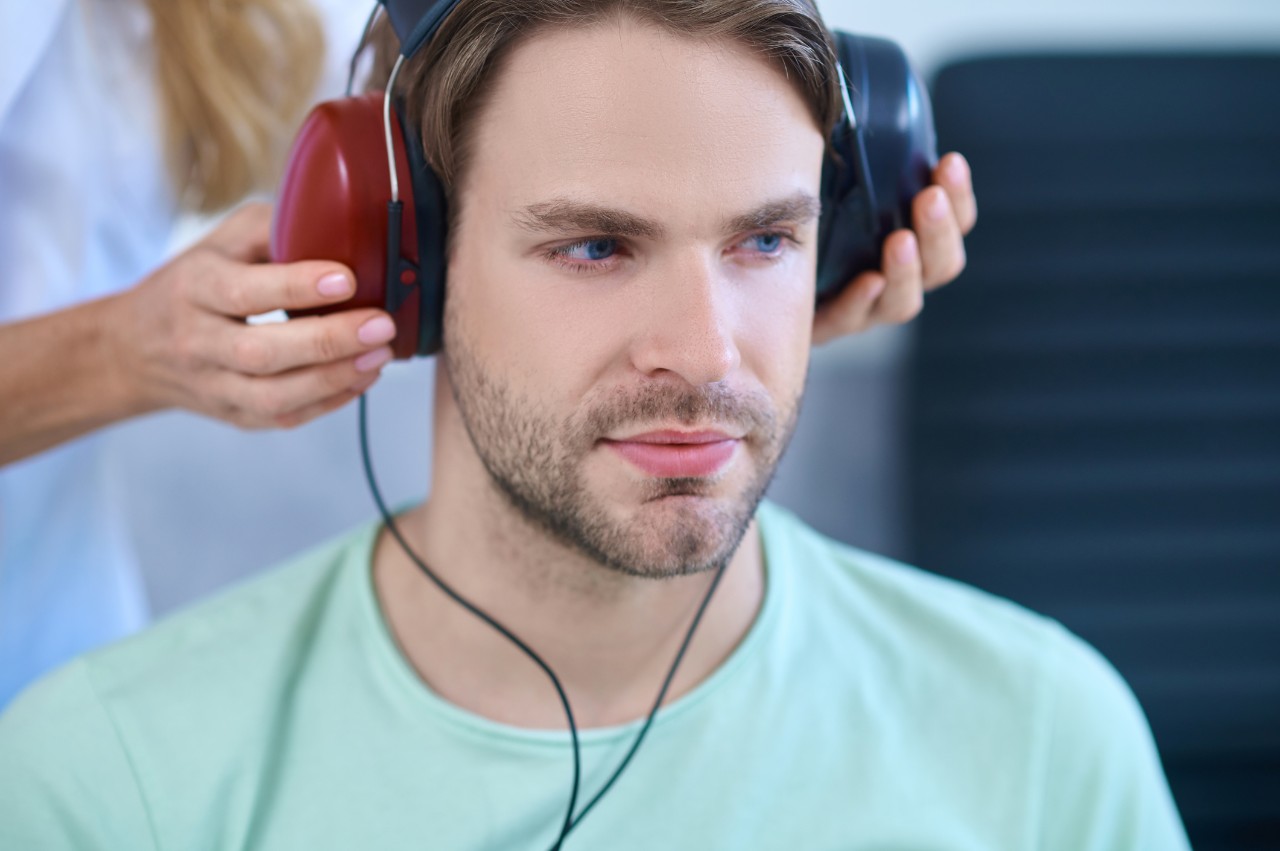
Although some earbuds like those from Enacfire, Bose, and Samsung offer sound amplification features that may seem helpful for people with mild hearing difficulties, it is always advisable to first take a hearing test. An audiologist can assess the degree and type of hearing loss, providing accurate details about your condition. This test will help determine whether using amplified earbuds is sufficient or if a custom hearing aid is necessary. Hearing aids are specifically designed to address individual sound amplification needs, while earbuds aren't equipped to provide the same level of precision and adaptability, especially for more severe hearing loss.
What a hearing test includes
A complete evaluation usually takes 30 to 60 minutes and is painless. It typically includes:
- Otoscopy: a look inside the ear canal to check for earwax or other issues
- Pure-tone audiometry: you listen to tones at different pitches and volumes to find the softest sounds you can hear; the results are plotted on an audiogram
- Speech audiometry: checks how well you understand words at different volumes, which is often what matters most in daily life
- Tympanometry: measures how the eardrum and middle ear respond to changes in pressure
Online tests and the hearing tests built into AirPods Pro and Galaxy Buds are useful screenings, but they don't replace a full evaluation, which can also tell whether the hearing loss is conductive (in the outer or middle ear, often treatable) or sensorineural (in the inner ear).
What your results mean for earbuds
The World Health Organization grades hearing loss by the average threshold in the better ear:
Degree of hearing loss | Hearing threshold | What it usually means for earbuds |
|---|---|---|
| Mild |
20 to under 35 dB |
FDA-cleared Hearing Test and Hearing Aid features on Galaxy phones; older Buds offer ambient sound amplification only |
| Moderate |
35 to under 50 dB |
AirPods Pro or Galaxy Buds with a Hearing Aid feature, or an OTC hearing aid, can be a good first step; for all-day use, a hearing aid is still the better fit |
| Moderately severe |
50 to under 65 dB |
Earbuds aren't enough; prescription hearing aids are the right option |
| Severe or profound |
65 dB and above |
Prescription hearing aids or, in some cases, cochlear implants |
With normal hearing, earbuds are great for music and calls at a moderate volume. With sudden hearing loss, loss in one ear, or hearing loss with tinnitus, see a doctor before trying any device. Many people wait years before addressing hearing loss. Earbuds with a hearing feature can help you take that first step, but they shouldn't become a reason to put off a proper evaluation.
FAQs about using earbuds as hearing aids
Can you wear earbuds with hearing aids?
Yes, you can wear earbuds with hearing aids, but it may depend on the type of hearing aids you have and your personal comfort. Some people use both, with hearing aids amplifying sound and earbuds for listening to music or making phone calls.
However, there are a few things to consider:
- Comfort: Some hearing aids may not fit comfortably with earbuds in place, especially if the hearing aids are behind-the-ear (BTE) models
- Sound interference: Depending on the hearing aid's features, wearing earbuds might cause sound distortion or interference, as both devices amplify sound
- Wireless options: Some modern hearing aids are Bluetooth-enabled and can connect directly to your phone or other devices, so you might not need to use earbuds at all for listening to audio
With BTE models, over-ear headphones that fully cover the hearing aid's microphone usually work best; if the microphone isn't covered, the hearing aid may pick up outside sound along with your audio. With in-the-ear models, on-ear or over-ear headphones are the most compatible.
How to turn earbuds into hearing aids?
- To turn earbuds into hearing aids, you can use sound amplification features like Live Listen (for AirPods) or apps that enhance hearing. Simply connect the earbuds to your smartphone, activate the amplification feature, and place the phone near the sound source. Adjust the volume to amplify sounds for better hearing.
- While this can help with mild hearing loss, earbuds don't offer the customization or effectiveness of professional hearing aids. For more significant hearing issues, consult an audiologist.
- With AirPods Pro 2 or 3 and an iPhone, the most complete option is to take the built-in Hearing Test and turn on Hearing Aid mode in Settings > [your AirPods] > Hearing Health. On Android, install Google's Sound Amplifier, connect your earbuds and adjust the noise reduction and frequency boost. Galaxy Buds3 Pro and Buds4 Pro owners will get a Hearing Aid feature from Q4 2026.
Which earbuds can be used as hearing aids?
Earbuds like Apple AirPods (with Live Listen), Samsung Galaxy Buds, Enacfire E60, and Bose QuietComfort can be used to assist with mild hearing loss by amplifying sound in certain environments. These models offer features that can enhance speech clarity or reduce background noise, making them a more discreet and affordable alternative to hearing aids. However, they are not designed to replace professional hearing aids, which are specifically customized to address individual hearing needs.
Among them, AirPods Pro 2 and AirPods Pro 3 have an FDA-cleared hearing aid feature today, and Samsung Galaxy Buds3 Pro and Buds4 Pro are getting one. The JLab Hear OTC is sold as both an OTC hearing aid and earbuds. Other earbuds, such as Enacfire, Bose, Sony or Raycon models, can provide basic amplification with apps like Sound Amplifier or Live Listen, but they aren't hearing aids.
Can in-the-canal hearing aids be used with earbuds
- In-the-canal (ITC) hearing aids can generally be worn with earbuds, but it may depend on the fit and comfort of both devices. ITC hearing aids sit deep in the ear canal, which could potentially make wearing earbuds less comfortable or cause some interference.
- The smallest styles, such as invisible-in-canal (IIC) models, are the most likely to leave enough room for earbuds. With larger in-the-canal or in-the-ear styles, pressing an earbud against the hearing aid can cause discomfort or whistling, so on-ear or over-ear headphones are a better choice. Many models with Bluetooth can also stream music and calls directly. Ask your hearing care professional which setup works with your devices.
Are there earbuds that double as hearing aids?
Which earbuds work best as hearing aids?
Can AirPods Pro replace hearing aids?
Can using earbuds make hearing worse?
Do regular earbuds help you hear better?
Are OTC hearing aids better than earbuds?
What is the best alternative to a hearing aid?
Are wireless earbuds with hearing aid feature ok?