What hearing aids are the best available on the NHS?
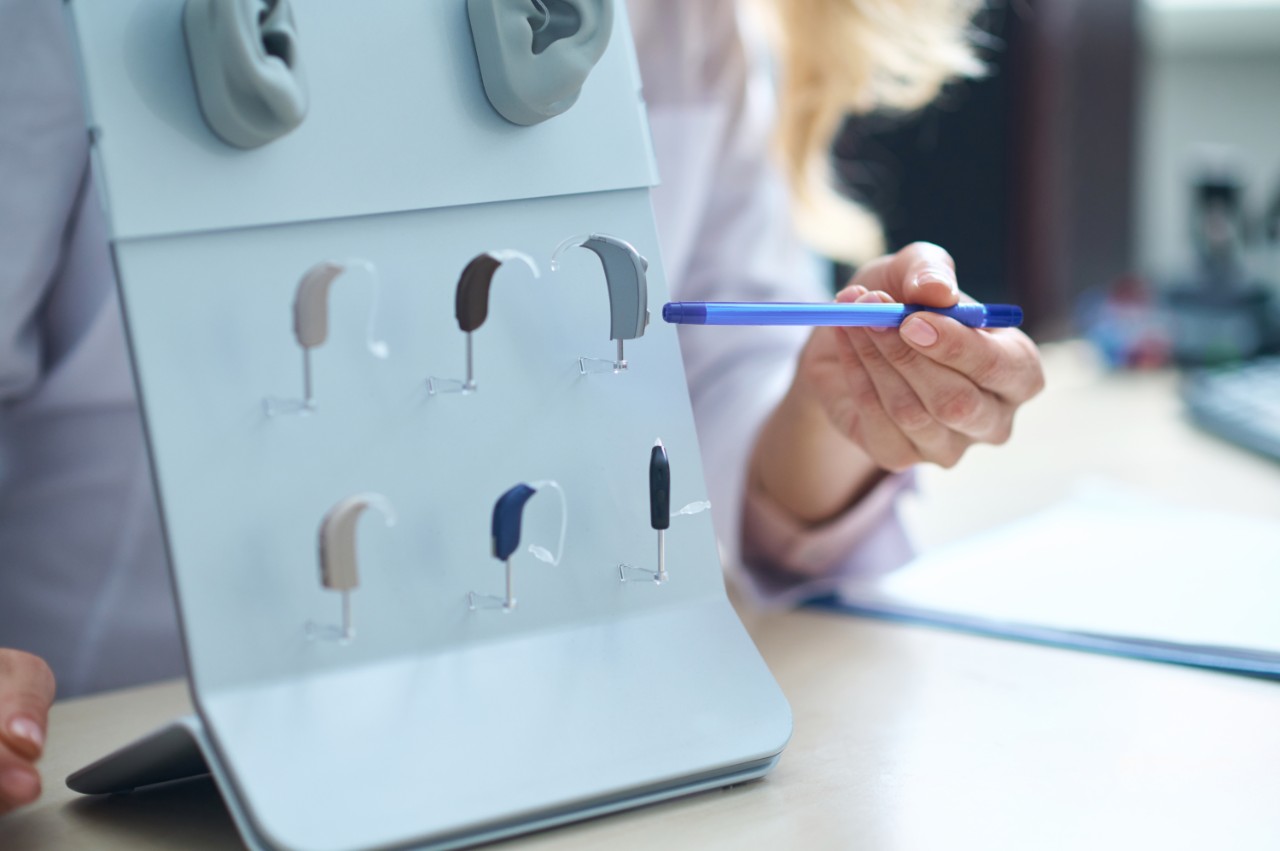
The best NHS hearing aids in the UK are modern digital devices designed to improve everyday communication, speech clarity, and listening comfort. They are provided free of charge, along with fitting, batteries, repairs and follow-up care. NHS audiology departments typically offer high-quality behind-the-ear (BTE) or receiver-in-the-ear (RITE) hearing aids, selected based on your level and type of hearing loss.
Common models include the Danalogic Ambio and Danalogic Arc series, which are specifically designed for the NHS. These devices offer adaptive noise reduction, multiple listening programs, feedback control, and, in some regions, Bluetooth or wireless connectivity for phone and TV streaming. They are known for their reliability, ease of use, and compatibility with custom ear moulds or slim-tube fittings.
Another widely issued option is the Oticon Spirit Synergy range, available in various power levels to suit mild to profound hearing loss. These models use Oticon’s processing platform to improve speech understanding in noisy environments and provide clearer, more natural sound.
For people with single-sided deafness, many NHS services also provide CROS and BiCROS systems, which send sound from the poorer ear to the better ear. While private clinics may offer more styles or the latest premium features, NHS hearing aids remain high-quality, clinically proven solutions backed by full aftercare—making them an excellent choice for many patients across the UK.
Best NHS hearing aids in the UK
Here are some of the best NHS hearing aids in the UK:
Danalogic Ambio
- A versatile behind-the-ear (BTE) model.
- Good for mild to moderately severe hearing loss.
- Offers adaptive noise reduction and multiple listening programs.
Danalogic Arc
- A more advanced digital BTE options
- Designed for clearer speech understanding in noisy environments.
- Includes feedback control and comfortable fittings.
Oticon Spirit Synergy
- A popular RITE/BTE series from Oticon supplied on NHS contracts.
- Strong focus on natural sound processing and noise management.
- Available in different power levels to suit mild through to severe loss.
Phonak Audéo (NHS-issued variants)
- Often provided in areas with specific NHS contracts.
- Known for reliable automatic adjustments and sound comfort.
- Suitable for everyday listening and busy environments.
GN ReSound Enzo (NHS versions)
- Larger-power options for people with significant hearing loss.
- Enhanced speech clarity and wind/noise management.
CROS/BiCROS Systems (various manufacturers)
- For unilateral or single-sided deafness.
- Routes sound from the poorer ear to the better ear for improved awareness.
Notes: NHS models vary by audiology department and local contracts. All listed hearing aids are digital, clinically proven, and supported with free fitting, aftercare, and batteries. NHS devices may not always feature the absolute latest consumer tech (e.g., direct Bluetooth streaming), but they are solid, effective, and personalised to your hearing loss profile.
Best private hearing aids in the UK
Phonak Audéo Lumity Slim L90-R
Signia Pure Charge&Go IX
Widex Moment RIC 312D
Eargo SE Self-Fitting OTC
Eargo 8 Self-Fitting CIC
ReSound Vivia 9
ReSound Vivia 5
Signia Active IX
🧠 Choosing the Right Private Hearing Aid
Private hearing aids often include the latest digital technology, such as adaptive noise reduction, Bluetooth streaming, rechargeable batteries, artificial-intelligence-based sound processing, and app-controlled fine-tuning. Major UK providers—such as Amplifon, Specsavers, Boots Hearingcare, and independent audiologists—offer these models and personalise them based on your lifestyle and degree of hearing loss.
What do NHS hearing aids look like?
NHS hearing aids are modern, digital devices that are designed to be practical, comfortable, and suitable for a wide range of hearing losses. Although styles can vary slightly between NHS trusts, most NHS-issued hearing aids share similar features and appearance.
Typical appearance of NHS hearing aids
Behind-the-ear (BTE) design
Small, discreet casing
Slim tubes or ear moulds
Sound is delivered into the ear through either
- a thin, clear tube with a soft dome (for mild–moderate hearing loss), or
- a custom ear mould, made from impressions of your ear (for more severe hearing loss or where more stability is needed).
Buttons or switches
Overall look
What hearing aids are available on the NHS?
The NHS provides modern, digital hearing aids free of charge to eligible patients after referral and assessment. Most NHS hearing aids are behind-the-ear (BTE) or receiver-in-the-ear (RITE/RIC) devices, selected based on the individual’s degree of hearing loss and lifestyle needs. They may be fitted with slim tubes, open-fit domes, or custom ear moulds.
Common NHS hearing aid types include:
- Behind-the-Ear (BTE) – the most widely used NHS style, suitable for mild to profound losses.
- Receiver-in-the-Ear (RITE/RIC) – smaller, more discreet, with a thin wire and in-ear receiver.
- Custom ear mould aids – moulded for personalised fit and stability.
- CROS/BiCROS systems – for single-sided deafness, routing sound from one ear to the better ear.
- In-the-Ear (ITE) – issued less frequently, used when BTE/RITE options are not suitable.
National Health NHS Hearing Aid Models and Technology
- NHS audiology departments partner with manufacturers such as Danalogic GN and Oticon. Common NHS-issued models include:
- Danalogic Ambio – reliable BTE device with adaptive noise reduction.
- Danalogic Arc – advanced digital BTE with multiple programmes and feedback management.
- Oticon Spirit Synergy – RITE/BTE models offering natural sound processing.
- Oticon Engage – a newer NHS-issued family with enhanced speech clarity and optional Bluetooth connectivity.
These hearing aids typically include noise reduction, feedback suppression, multiple listening programs, and—depending on the NHS trust—Bluetooth compatibility with smartphones. All NHS hearing aids are programmed and personalised to your hearing test results, and batteries, repairs, and aftercare services are included. While private clinics may offer a wider range of styles or premium features, NHS hearing aids remain high-quality, clinically proven, and accessible solutions for hearing support across the UK.
NHS hearing aid models to know and choose
1. Danalogic Ambio Series
(Ambio 6 / Ambio 7 / Ambio 10)
- The most widely issued NHS hearing aids.
- Behind-the-ear (BTE) design with slim-tube or earmould fittings.
- Strong noise reduction and feedback control.
- Suitable for mild to severe hearing loss.
2. Danalogic Arc Series
(Arc 5 / Arc 10)
- More advanced digital processing than Ambio.
- Better speech clarity in noise and improved automatic settings.
- Available in BTE and RITE designs.
3. Oticon Spirit Synergy Series
- NHS versions of Oticon’s commercial platform.
- Focus on natural, balanced sound and speech clarity.
- Comes in multiple power levels for different hearing losses.
4. Oticon Engage
- Newer NHS model family with enhanced clarity.
- In many regions, includes Bluetooth connectivity for phone and audio streaming.
- Available as BTE and RITE options.
🔍 Less Visible or “Hidden” NHS Hearing
5. Phonak Nathos Auto / Nathos Nova
- NHS-exclusive versions of Phonak technology.
- Excellent hearing-in-noise performance.
- Offered in RITE and power BTE styles.
6. ReSound NHS Models
- e.g., ReSound Enzo NHS, ReSound NHS RIE variants
- Used in certain trusts for severe hearing loss or feedback-sensitive users.
- Good for clarity and stability in challenging listening environments.
7. Unitron NHS Models
- e.g., Unitron Stride NHS variants
- Less common but available in some areas.
- Reliable sound processing with strong speech focus.
8. CROS/BiCROS Systems
- Various NHS suppliers
- For single-sided deafness (SSD).
- Sends sound from the poorer ear to the better ear using wireless pairing.
9. High-Power BTE NHS Devices
- Provided for severe–profound hearing loss.
- Larger casing, stronger amplification, and better feedback suppression.
10. Older but still issued models
- Available depending on region
- Oticon Spirit Zest
- Danalogic iFit
- Phonak Nathos Micro
- These are used less often now but may still be supplied where stock remains.
🎧 Choosing the Right Model
Your NHS audiologist will recommend the most suitable model based on:
- your degree and pattern of hearing loss
- ear shape and fitting needs
- whether Bluetooth is needed
- handling and dexterity
- the availability of newer models in your local trust
All NHS aids are digital, high-quality, and provided with batteries, servicing, and follow-up care at no cost.
NHS hearing aids on the UK: things to know
NHS hearing aids in the UK are a valuable and accessible option for anyone experiencing hearing loss, offering high-quality digital technology at no cost. All NHS-issued hearing aids are free, and this includes the hearing test, the fitting appointment, batteries, repairs, and follow-up care. This makes NHS devices one of the most affordable and supportive hearing solutions available.
The hearing aids provided on the NHS are modern digital models equipped with features such as adaptive noise reduction, automatic programme adjustment, feedback suppression, and directional microphones for clearer speech. Some NHS services also offer Bluetooth-enabled devices, such as the Oticon Engage, allowing easier connection to phones and audio.
Most NHS hearing aids come in behind-the-ear (BTE) or receiver-in-the-ear (RITE) styles, chosen based on your level of hearing loss and comfort. Common models include the Danalogic Ambio and Arc series, Oticon Spirit Synergy, Oticon Engage, Phonak Nathos Nova (NHS version), and various ReSound and Unitron NHS variants. CROS/BiCROS systems are also available for people with single-sided deafness. NHS hearing aids are suitable for a wide range of hearing losses, from mild to profound, with power BTE models available for those needing stronger amplification. Although waiting times vary between regions, NHS hearing aids remain reliable, modern, and fully supported, making them an excellent option for many people in the UK.
Are private hearing aids better than NHS ones?
Whether private hearing aids are better than NHS hearing aids depends on your priorities, budget, and lifestyle needs. Both options have strengths, and the “best” choice varies from person to person. NHS hearing aids are high-quality, modern digital devices that are provided free of charge, including the hearing test, fitting, batteries, repairs, and follow-up care. They typically come in behind-the-ear (BTE) or receiver-in-the-ear (RITE) styles and offer essential technologies such as noise reduction, feedback control, directional microphones, and automatic settings. Many people find that NHS hearing aids provide excellent everyday hearing support, especially for speech understanding. Private hearing aids, however, offer a wider selection of designs and the very latest technology. Private models often include:
- fully invisible or in-the-canal (IIC) options
- advanced Bluetooth connectivity and hands-free calling
- more precise noise management
- rechargeable lithium-ion batteries
- artificial-intelligence-based sound processing
- personalised fine-tuning and remote adjustments
Private devices can deliver smoother performance in noisy places, better music quality, and greater comfort for specific listening environments. However, they come at a significant cost, and aftercare varies by provider. In summary, NHS hearing aids are excellent for essential hearing needs at no cost, while private hearing aids may be “better” for those wanting premium features, aesthetic options, or advanced performance in noise. The right choice depends on your budget and listening goals.
Are NHS hearing aids any good?
Yes, NHS hearing aids are genuinely good, and for many people they provide all the hearing support they need. Modern NHS hearing aids are digital, reliable, and designed to deliver clear, comfortable sound in everyday situations. They come with essential features such as adaptive noise reduction, feedback suppression, automatic volume adjustment, and directional microphones to help you hear speech more clearly. Many NHS trusts also now offer Bluetooth-enabled models, such as Oticon Engage, which allow streaming and app-based control.
One of the biggest advantages is that NHS hearing aids are completely free, including the hearing test, fitting, batteries, repairs, and follow-up care. This makes them accessible and cost-effective, especially for people who may need long-term support or regular adjustments. They are also fitted by qualified audiologists who tailor the programming to your specific hearing loss.
NHS hearing aids typically come in behind-the-ear (BTE) or receiver-in-the-ear (RITE) styles, which are suitable for mild to profound hearing loss. While they may not include the very latest premium technologies or fully invisible designs available privately, their performance for everyday speech understanding is excellent. Overall, NHS hearing aids are high-quality, well-supported, and clinically effective, making them a strong choice for most people with hearing loss in the UK.
Best types of NHS hearing aids
The best types of NHS hearing aids are designed to meet a wide range of hearing needs, offering reliable digital technology and practical features at no cost to the patient.
- BTE hearing aids - The most widely recommended option is the behind-the-ear (BTE) hearing aid. This style sits comfortably behind the ear and delivers sound through either a slim tube or a custom ear mould. BTE hearing aids are versatile, suitable for mild to profound hearing loss, durable, and easy to maintain, making them an excellent all-round choice.
- RITE or RIC hearing aids - Another highly effective option is the receiver-in-the-ear (RITE or RIC) hearing aid. These devices place the speaker directly inside the ear canal, connected by a thin wire to a small behind-the-ear unit. They are more discreet than traditional BTE models and often provide clearer, more natural sound—particularly for high-frequency hearing loss.
- Power BTE hearing aids - For people with severe to profound hearing loss, the NHS offers power BTE models. These larger devices provide stronger amplification and advanced feedback control to support significant hearing challenges.
- CROS and BiCROS systems- The NHS also provides CROS and BiCROS systems for individuals with single-sided deafness. These devices transmit sound from the poorer ear to the better ear, improving awareness and overall hearing balance.
- Best NHS hearing aids - Ultimately, the best type of NHS hearing aid depends on your hearing test results, comfort, lifestyle, and personal preferences. All NHS hearing aids are digital, personalised, and supported with free batteries, repairs, and aftercare.
Best rechargeable hearing aids on the NHS
Rechargeable hearing aids on the NHS are becoming increasingly available in the UK, offering the convenience of built-in batteries that can be charged daily rather than replaced. While not every NHS trust provides rechargeable models yet, many are now making them part of their standard options—especially for Behind-The-Ear (BTE) and Receiver-In-The-Ear (RITE) styles. Rechargeable hearing aids eliminate the need for disposable batteries, making them more convenient and environmentally friendly. They are particularly beneficial for people with dexterity difficulties, arthritis, or vision problems, as they remove the need to handle tiny zinc-air batteries. Most rechargeable NHS devices last a full day on a single charge, and some include rapid-charge features for quick top-ups. Several NHS-issued models now include rechargeable versions, such as:
- Oticon Engage (Rechargeable RITE and BTE variants) – Offers improved clarity, natural sound processing, and, in many areas, Bluetooth connectivity for streaming and app control.
- Danalogic Arc Rechargeable – Available in selected NHS trusts, featuring lithium-ion rechargeable technology, strong noise reduction, automatic programme switching, and stable all-day performance.
- Oticon Spirit Synergy Rechargeable (in some regions) – A newer addition in certain trusts, bringing Oticon’s sound processing into a rechargeable RITE format.
These rechargeable hearing aids come with docking stations or simple charging cases, making daily charging easy and intuitive. They still include all standard digital features—adaptive noise reduction, feedback suppression, and multiple programmes. Availability varies by NHS audiology service, but where offered, rechargeable hearing aids are an excellent choice for convenience, sustainability, and everyday ease of use within the NHS framework.
Best behind-the-ear hearing aids on the NHS
Behind-the-ear (BTE) hearing aids are among the most commonly provided on the NHS because they are versatile, easy to fit, and suitable for a wide range of hearing losses—from mild to profound. They sit comfortably behind the ear, with sound delivered into the ear canal via a slim tube or custom ear mould. Some of the most frequently issued NHS BTE models include:
- Danalogic Ambio – A reliable standard BTE model with adaptive noise reduction, feedback suppression and multiple listening programmes. Ideal for everyday listening needs.
- Danalogic Arc – A more advanced BTE option with improved speech clarity and automatic sound adjustment. It’s well-suited for people who spend time in noisy environments.
- Oticon Engage (BTE versions) – A newer family of NHS aids that combines strong digital processing with clear sound quality. Rechargeable battery options may be available depending on your local service.
- Phonak Nathos Nova (NHS variant) – Issued in some trusts; good for listening in background noise and reliable performance across settings.
- Power BTE NHS models – Designed for more significant hearing loss, offering stronger amplification and robust feedback control.
NHS audiologists tailor each device to your specific hearing profile. Batteries, fittings, and aftercare are all included at no cost. While private clinics may offer more cosmetic or feature-rich alternatives, NHS BTE hearing aids remain excellent, clinically effective choices for improving everyday communication.
Best in-the-ear hearing aids by the NHS
In-the-ear (ITE) hearing aids are designed to sit inside the ear canal or the outer ear bowl, making them more discreet than behind-the-ear (BTE) devices. While not as widely issued across all NHS trusts as BTE or receiver-in-ear (RITE) styles, ITE options remain available for people who cannot or prefer not to wear BTE/RITE models, or when ear anatomy makes other styles impractical.
Common NHS ITE models include:
- Oticon Spirit Synergy ITE - A compact in-ear model adapted for NHS supply. It offers natural sound processing with adaptive noise reduction and feedback management. Well suited to mild–moderate hearing loss.
- Oticon Engage ITE variants - In some regions, the NHS supplies ITE versions from the Engage family. These provide improved clarity and comfort, and in selected areas may offer Bluetooth connectivity.
- Danalogic NHS ITE models - Issued in selected trusts where appropriate. These deliver reliable digital processing and clear speech perception within a discreet form factor.
- Custom ITE moulds with other NHS platforms - Some services programme RITE/RIC-level technology into deeper custom ITE shells when fit or dexterity concerns arise.
What to Know
- ITE NHS hearing aids are digital, personalised to your audiogram, and supported with free batteries, aftercare and repairs. They are particularly helpful for people who prefer minimal visibility, have dexterity issues with small devices, or need a custom fit that sits entirely inside the ear. Availability depends on local NHS audiology provision, but where supplied, ITE models offer effective, discreet hearing support.
Best RITE hearing aids from the NHS
RITE hearing aids (also called RIC – Receiver-In-Canal) are among the most popular NHS options because they combine discreet design with excellent sound quality and strong performance in a range of listening environments. They place the speaker (receiver) inside the ear canal, connected by a thin wire to the behind-the-ear component, which often improves clarity and comfort. Some of the best RITE models on the NHS include:
- Oticon Engage (RITE variants) – A newer NHS-issued family known for clear, natural sound processing and improved speech understanding. Many NHS trusts now supply rechargeable RITE versions with Bluetooth connectivity for phone and audio streaming.
- Oticon Spirit Synergy RITE – A widely used NHS RITE model that offers reliable digital processing, adaptive noise management, and multiple listening programmes suited to everyday life.
- Danalogic Arc RITE – Issued in selected services, this RITE option provides strong automatic adjustments and feedback control, making it a good choice for people who need help in noise without manual tinkering.
- Phonak Nathos Nova RITE (NHS variant) – Available in some regions, well-matched to users seeking clear speech in background noise and long-term reliability.
These RITE hearing aids are programmed especially for your hearing profile during NHS audiology appointments. They all offer features expected from modern digital devices, including noise reduction, feedback suppression, and personalised programmes. Availability varies between NHS trusts, but where offered, RITE models are often preferred for their balance of discretion, comfort, and sound quality. If you need further details on specific features or how they compare to BTE models, I can break that down too.
Best discreet and invisible hearing aids on NHS
Many people want discreet or nearly invisible hearing aids, and while the NHS primarily issues Behind-The-Ear (BTE) and Receiver-In-Ear (RITE) models, there are options that are small, subtle, and less noticeable once fitted. These are particularly suitable for people who prioritise appearance without sacrificing sound quality and support.
Best NHS Discreet and Invisible Hearing Aids
1. Oticon Spirit Synergy RITE
- A popular NHS RITE model that sits unobtrusively behind the ear with a thin wire and small receiver in the canal.
- Offers adaptive noise reduction and clear speech understanding in everyday listening situations.
2. Oticon Engage RITE (Rechargeable and Standard)
- One of the more modern NHS hearing aids with a slim, discreet profile.
- Rechargeable variants reduce the need for battery doors, making them sleeker and less noticeable.
3. Danalogic Arc RITE (Slim Tube)
- Issued in some trusts with a very thin tube into the ear which makes the device visually subtle.
- Digital processing helps with speech clarity without bulky hardware.
4. Custom In-Canal NHS Options
What to Know - Completely invisible-in-canal (IIC) models are less commonly available on the NHS than on the private market, but RITE versions with slim tubes are widely used and very discreet once fitted. Your local NHS audiology service will recommend the most appropriate style based on your hearing loss, ear shape, lifestyle, and cosmetic preferences, and all options include free fitting and aftercare.
Best Bluetooth hearing aids on the NHS in the UK
Modern NHS hearing aids increasingly include Bluetooth connectivity, letting users stream phone calls, music, and media directly to their devices. Although not every NHS audiology service offers Bluetooth models yet, many trusts now provide Bluetooth-ready RITE (Receiver-in-Ear) and BTE (Behind-the-Ear) hearing aids where possible.
Top Bluetooth-Enabled NHS Hearing Aid Models
1. Oticon Engage (Bluetooth-capable)
2. Oticon More (NHS variants)
3. Danalogic Arc Connect
4. Phonak NHS Bluetooth Options
5. ReSound NHS Bluetooth Models
What to Know - Bluetooth features on NHS hearing aids depend on local audiology provision and stock. All Bluetooth-enabled NHS models still come with free fitting, customised programming, aftercare, and repairs. While private hearing aids may offer broader or more advanced wireless features (like true hands-free calling or multi-device pairing), NHS Bluetooth hearing aids deliver real improvements in connectivity, convenience, and daily communication. If you’d like, I can compare the Bluetooth streaming performance of these models.
Best digital NHS hearing aid models
The NHS in the UK provides high-quality digital hearing aids, tailored to each person’s hearing loss and lifestyle. These devices use advanced digital processing to improve speech clarity, reduce background noise, and adjust automatically across listening environments. While styles and specific models vary by NHS trust, several well-established digital models are widely used. Among the best digital NHS hearing aid models are:
- Danalogic Ambio Series – A reliable digital BTE option that offers adaptive noise reduction, feedback suppression, and multiple listening programmes. It’s suitable for many mild to moderate hearing losses and everyday use.
- Danalogic Arc Series – A step up in digital processing, this model delivers clearer speech understanding and more refined automatic adjustments. Available in BTE and RITE styles.
- Oticon Spirit Synergy – A popular RITE/BTE digital model that prioritises natural sound quality and clarity, particularly in complex environments.
- Oticon Engage – One of the newer digital families on the NHS, often supplied with Bluetooth connectivity and rechargeable options where available. It offers modern adaptive features and enhanced speech focus.
- Phonak Nathos Nova (NHS variant) – Issued in some areas, this digital RITE/BTE model works well in background noise and everyday situations.
- ReSound NHS Variants – Where supplied, ReSound digital models bring strong noise management and clear sound in challenging listening environments.
All these digital NHS models are personalised by audiologists for your specific hearing profile and include free fitting, aftercare, and programming adjustments. While private options may offer even more premium features, NHS digital hearing aids remain effective, reliable, and excellent choices for most users.
Best new NHS hearing aids (2025)
In 2025, NHS hearing aids continue to incorporate modern digital technology with improved sound quality, advanced noise management, Bluetooth connectivity, and in some areas, AI-driven sound processing. NHS audiology departments across the UK now offer a range of updated models that reflect the latest technical advances while remaining free for eligible patients.
Among the latest NHS hearing aid models are upgraded versions of established digital families, including Oticon Optim (the NHS version of Oticon’s commercial Opn S2 technology). These are available in BTE, miniRITE, and miniRITE-R styles and provide adaptive sound processing with modern connectivity options. Phonak Nathos Nova NHS variants (comparable to the commercial Bolero M70 platform) are also being fitted, offering strong speech clarity and dependable Bluetooth support.
Many NHS trusts now supply Bluetooth-enabled Danalogic GN models, which connect smoothly to smartphones, tablets, and televisions for streaming and remote adjustments. These devices typically include advanced feedback management and adaptive noise reduction to help users hear more clearly in everyday environments. Emerging AI-powered hearing aids are beginning to appear in NHS pilot programmes, using real-time environmental analysis to enhance speech focus and reduce background noise dynamically.
These technologies may become more widely available across the NHS in the coming years. Overall, the best new NHS hearing aids in 2025 deliver improved sound quality, smarter processing, better connectivity, and greater comfort. Your NHS audiologist will recommend the model that best suits your hearing needs and local availability.
NHS hearing aids catalogue: best models
The NHS hearing aids catalogue in the UK includes a range of reliable digital devices tailored to different degrees of hearing loss and lifestyle needs. These models are supplied free of charge with fitting, programming, batteries, and aftercare as part of NHS audiology services.
- Oticon Engage - A key entry in the catalogue is Oticon Engage, one of the newer NHS-issued families. Available in both Behind-The-Ear (BTE) and Receiver-In-Ear (RITE) styles, Oticon Engage offers clear speech prioritisation, adaptive noise management, and, in many areas, Bluetooth connectivity for direct streaming from phones and other devices. Rechargeable versions make daily use simple and convenient.
- Danalogic Ambio - Also widely provided are the Danalogic Ambio and Danalogic Arc series. The Ambio models offer reliable, everyday performance with solid noise reduction and feedback control, while Arc variants deliver more advanced digital processing and automatic adjustments in varied listening environments.
- Phonak Nathos Nova - For users who prefer powerful performance, Phonak Nathos Nova (NHS variant) models are issued in some trusts, offering robust sound clarity and dependable handling of background noise.
- ReSound NHS models - Some services also include ReSound NHS models, which bring strong adaptive noise handling and good connectivity support, and CROS/BiCROS systems for people with single-sided deafness.
Each model in the NHS hearing aids catalogue is personalised to your hearing profile by an audiologist, ensuring optimal comfort and performance.
NHS hearing aids catalogue: best models
The NHS hearing aids catalogue in the UK includes a range of reliable digital devices tailored to different degrees of hearing loss and lifestyle needs. These models are supplied free of charge with fitting, programming, batteries, and aftercare as part of NHS audiology services.
- A key entry in the catalogue is Oticon Engage, one of the newer NHS-issued families. Available in both Behind-The-Ear (BTE) and Receiver-In-Ear (RITE) styles, Oticon Engage offers clear speech prioritisation, adaptive noise management, and, in many areas, Bluetooth connectivity for direct streaming from phones and other devices. Rechargeable versions make daily use simple and convenient.
- Also widely provided are the Danalogic Ambio and Danalogic Arc series. The Ambio models offer reliable, everyday performance with solid noise reduction and feedback control, while Arc variants deliver more advanced digital processing and automatic adjustments in varied listening environments.
- For users who prefer powerful performance, Phonak Nathos Nova (NHS variant) models are issued in some trusts, offering robust sound clarity and dependable handling of background noise.
- Some services also include ReSound NHS models, which bring strong adaptive noise handling and good connectivity support, and CROS/BiCROS systems for people with single-sided deafness.
- Each model in the NHS hearing aids catalogue is personalised to your hearing profile by an audiologist, ensuring optimal comfort and performance.
NHS hearing aids reviews
NHS hearing aids reviews from users across the UK generally reflect strong satisfaction with the quality, reliability, and value of the devices provided. Many people appreciate that NHS hearing aids, such as the Oticon Engage, Danalogic Ambio, Danalogic Arc, and Phonak Nathos Nova (NHS variant), deliver clear sound and improved speech understanding without the cost of private devices.
Oticon Engage often earns positive feedback for its comfortable fit and adaptive sound management in noisy environments. Reviewers note that its Bluetooth connectivity and rechargeable options (where available) make daily use convenient and modern, especially for phone calls and media streaming.
Danalogic Ambio is frequently praised for consistent, straightforward performance in everyday situations. Users find it reliable for conversations and routine listening without overwhelming settings. Danalogic Arc models receive commendations for their more refined automatic adjustments and clarity in varied environments.
Some users also report good experiences with Phonak Nathos Nova NHS models, highlighting robust performance in background noise and comfortable long-term wear. Where available, ReSound NHS variants are also reviewed positively for noise reduction and natural sound quality.
Common themes in reviews include appreciation for the free fitting, follow-up care, and ongoing support provided by NHS audiology services. While some users compare NHS aids with premium private alternatives, most agree that NHS models offer excellent performance and dependable support for everyday hearing needs. If you’d like, I can break down reviews by specific model strengths and weaknesses.
Are hearing aids free on the NHS?
Yes, hearing aids are free on the NHS in the UK.
If your GP or audiologist refers you for a hearing assessment and you are diagnosed with hearing loss, the NHS will provide hearing aids at no cost, along with several important services. This includes:
✅ Free NHS Hearing Aid Services
- Hearing tests and assessments
- Digital hearing aids (usually behind-the-ear or RITE models)
- Fitting and programming by an NHS audiologist
- All follow-up appointments and adjustments
- Batteries and repairs
- Replacement hearing aids when necessary
NHS hearing aids are on loan, meaning you do not own them, but you can use them for as long as you need. If they break or your hearing changes, the NHS will repair, replace, or re-programme them free of charge.
NHS hearing aid prices
In the UK, NHS hearing aids are provided free of charge, so there is no direct cost or price for the devices themselves if you are eligible and referred through the NHS. This includes:
✅ What’s covered for free
- Hearing tests and assessments
- Digital hearing aids provided by the NHS
- Fitting and programming by an NHS audiologist
- All follow-up appointments and adjustments
- Batteries
- Repairs and replacements
- Ongoing aftercare
That means there isn’t a set NHS hearing aid price list like you would see in private clinics, because NHS provision is funded by the health service and issued at no cost to you.
How NHS provision works
Once you’re referred (typically by a GP) and assessed by an NHS audiologist, they determine the most appropriate hearing aid model for our level of hearing loss and lifestyle. You are supplied the device, and the NHS covers ongoing support.
Why private prices are often referenced
When people search for “hearing aid prices in the UK,” they often see costs associated with private hearing aids because private devices may offer premium features, invisible styles, or the latest technology not always available on the NHS. Private hearing aids in the UK typically range from £500–£3,000+ per ear, depending on features and technology levels.
Bottom line
NHS hearing aids themselves have no price to you — they’re free, including all clinical support and ongoing care. If you’re quoted a price for a hearing aid, that’s a private/retail cost, not an NHS cost.
How do I get NHS hearing aids?
1. Start with your GP
2. Attend your NHS hearing assessment
At the audiology clinic, you’ll have:
- A full hearing test
- An ear examination
- A discussion about how your hearing affects daily life
If hearing loss is confirmed, the audiologist will explain the options available on the NHS.
3. Choose the NHS hearing aids recommended for you
Your audiologist will recommend suitable models based on your audiogram. Common NHS models include:
- Oticon Engage
- Danalogic Ambio
- Danalogic Arc
- Oticon Spirit Synergy
- Phonak Nathos Nova
- ReSound NHS variants
Most are behind-the-ear (BTE) or receiver-in-ear (RITE) models.
4. Attend your fitting appointment
Your hearing aids will be:
- Programmed to your hearing loss
- Fitted with slim tubes or custom ear moulds
- Tested and adjusted
Your audiologist will show you how to use and care for them.
5. Enjoy free aftercare
The NHS provides:
- Free batteries or charging (if applicable)
- Free repairs
- Free replacement hearing aids
- Ongoing adjustments as your hearing changes
With you on your journey to better hearing.
It's time to finally treat your hearing loss. Sign up for a free consultation with a licensed hearing care professional today to determine if you have hearing loss. It’s the start of your journey towards better hearing.
EarPros benefits:
- Free no obligation hearing test
- best partner with more than 1,000 clinics globally