Hearing aids for Tinnitus
Do they work?
Tinnitus can cause ringing, buzzing, humming, hissing, clicking or other sounds in one or both ears when there is no external source. It can result from noise exposure, ageing, earwax blockage, certain medications or ear injury — and in the majority of cases it is associated with some degree of hearing loss, which is why hearing aids are often one of the most effective management tools available. For some people, tinnitus is occasional and manageable, while for others it can affect sleep, concentration, communication and quality of life.
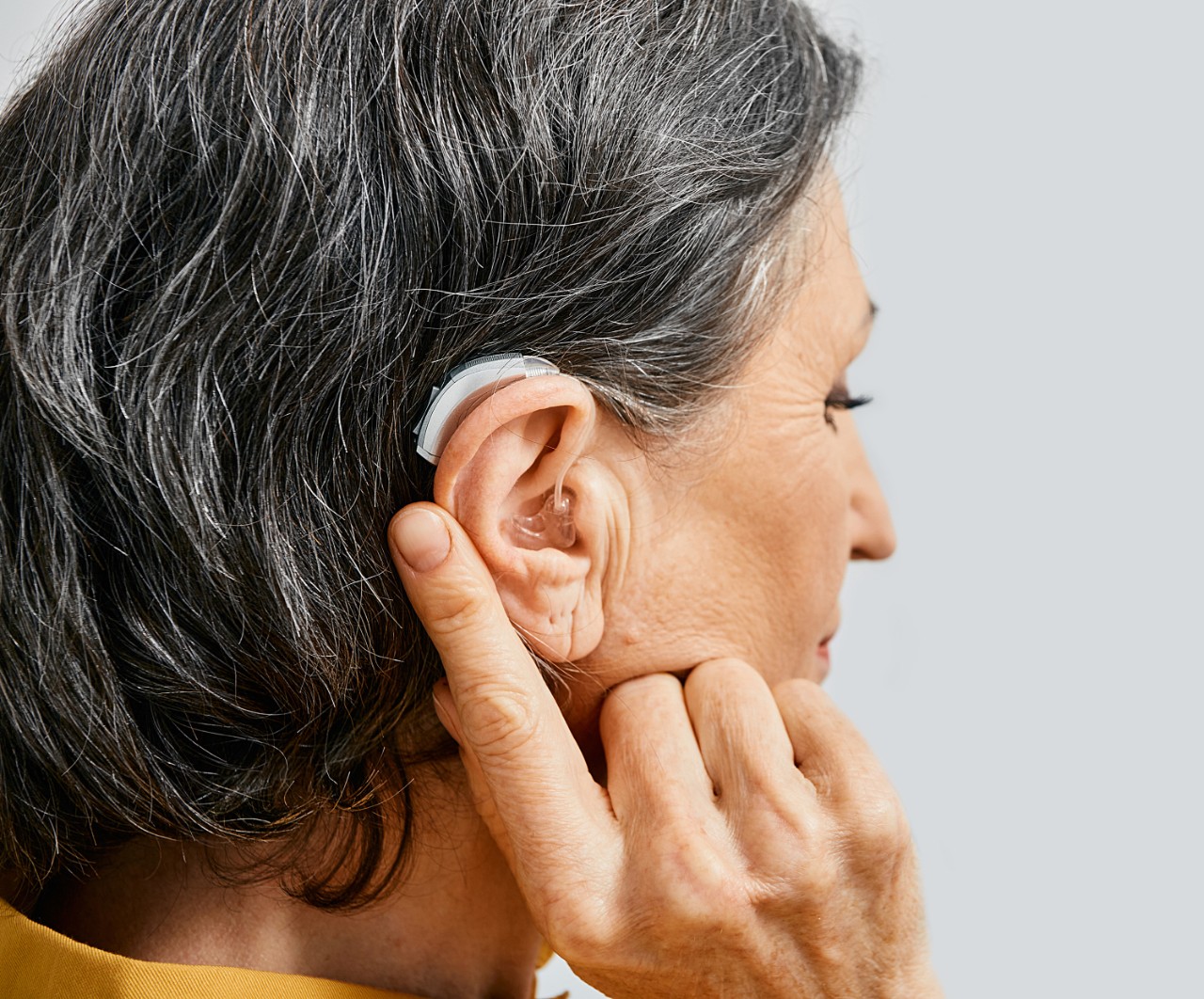
Tinnitus and hearing loss often occur together. If you have both conditions, hearing aids may help make external sounds easier to hear and, in some cases, make tinnitus less noticeable. Some hearing aids also include built-in tinnitus sound therapy or masking features.
300 million
Just like 300 million people around the world, you too might suffer from tinnitus.
Do hearing aids really help tinnitus?
For many people, hearing aids can help manage tinnitus, particularly when tinnitus is associated with hearing loss. But they do not work in exactly the same way for everyone, and they should not be considered a guaranteed cure. Hearing loss can make it more difficult to hear everyday sounds. As a result, tinnitus may seem more prominent, especially in quiet environments. By amplifying sounds around you, hearing aids can make it easier to hear speech and environmental sounds. This may reduce the contrast between the tinnitus and the sounds around you, making tinnitus less noticeable.
Hearing aids may also help by reducing the effort needed to listen and by providing more external sound to focus on. Some models include tinnitus sound therapy features, such as customised background sounds or noise generators, which can be adjusted to your hearing needs.
Around 80% of people experiencing tinnitus also have hearing loss. This is why a hearing assessment is an important first step if you have tinnitus and are considering hearing aids.
Hearing aids for tinnitus without hearing loss
Hearing aids are primarily designed to improve hearing loss, so they may not be suitable for everyone with tinnitus. However, tinnitus can sometimes occur even when your hearing appears normal.
If you have tinnitus without diagnosed hearing loss, an audiologist can assess your hearing and discuss whether a hearing aid, a tinnitus masking device, sound therapy or another management approach may be more appropriate.
Some people with tinnitus and normal hearing may benefit from devices that provide customised background sounds. However, the best option depends on the cause and severity of your tinnitus, your hearing test results and how much tinnitus affects your daily life.

What to look for in hearing aids for tinnitus
If you are looking for the best type of hearing aid for tinnitus, the most important consideration is not simply the brand or style of the device.
The right hearing aid should be selected and programmed according to your hearing loss, tinnitus symptoms, lifestyle and listening needs.
Features you may wish to discuss with your audiologist include:
- Tinnitus sound therapy: some hearing aids can provide additional sounds designed to help make tinnitus less noticeable.
- Customisable sound options: depending on the device, you may be able to choose from different sounds, including broadband noise or other background sounds.
- Adjustable settings: tinnitus and hearing needs can vary, so the ability to fine-tune the device may be important.
- Bluetooth connectivity: streaming music, podcasts or other sounds can provide additional sound options for some people.
- Rechargeable batteries: a convenient option for people who prefer not to replace disposable batteries.
- Comfort and fit: a hearing aid needs to be comfortable enough to wear consistently.
- Professional programming: hearing aids should be fitted and adjusted to match your hearing test results.
Not all hearing aids include tinnitus masking or sound therapy features, and not all tinnitus maskers are hearing aids. An audiologist can help you understand which features may be suitable for your tinnitus and hearing needs.
Best hearing aids for tinnitus: brands and models
There is no single hearing aid brand or model that is the best choice for everyone with tinnitus: the most suitable option depends on your hearing loss profile, tinnitus characteristics, lifestyle and budget. What matters most is not the brand name, but whether the device includes the tinnitus management features you need and can be appropriately fitted and programmed for your specific situation.
Several leading manufacturers — including Signia and Oticon — offer dedicated tinnitus programmes, combining amplification with sound therapy, masking features or specialised therapies designed to reduce tinnitus perception over time. Some popular options include the Signia Styletto and Pure series, Oticon More and Real, Widex Moment (well known for its ZEN tinnitus therapy) and Phonak Audéo, but they are not the only ones.
An audiologist can assess your hearing profile and recommend the most suitable device and brands for your tinnitus and lifestyle.
How are hearing aids for tinnitus fitted?
Getting a hearing aid for tinnitus starts with a comprehensive hearing assessment — a pure-tone audiometry test to map your hearing thresholds, combined with a discussion of your tinnitus characteristics: pitch, perceived loudness and how much it affects your daily life. If hearing aids are recommended, the audiologist programmes the device to match your audiogram and activates the tinnitus sound therapy or masking features at an appropriate level.
Tinnitus programming is an ongoing process rather than a single appointment. Most people require several follow-up appointments in the first few months to fine-tune the settings as their brain adjusts. If the settings don't feel right, or if your tinnitus changes over time, let your audiologist know — adjustments can make a significant difference to the outcome.
Cost of hearing aids for tinnitus in Australia
The cost of hearing aids for tinnitus in Australia can vary depending on the type of device, the technology level and the features included. Prices generally range from approximately AUD $1,500 for entry-level devices to AUD $10,000 or more per pair for premium models.
Eligible Australians with hearing loss may be able to access subsidised hearing services and devices through the Australian Government's Hearing Services Program, but eligibility and the level of subsidy depend on individual circumstances and the specific program pathway.
Private health insurance extras cover may also contribute to costs.
However, Medicare and other government support options do not automatically mean that every hearing aid or tinnitus-related service will be fully covered: it is important to check current eligibility requirements and discuss costs with your hearing services provider before choosing a device.
Disclaimer: price information is sourced from third-party providers and may vary depending on hearing centre, location and individual circumstances.
Tinnitus masker vs Hearing aids
A hearing aid and a tinnitus masker are not the same device, although some hearing aids include tinnitus masking or sound therapy features.
- A hearing aid is primarily designed to amplify sounds that are difficult to hear because of hearing loss. Some hearing aids can also provide additional sounds to help make tinnitus less noticeable.
- A tinnitus masker or tinnitus masking device is designed primarily to provide external sound that can help distract from or reduce the contrast of tinnitus. It may be a standalone device or a feature included in some hearing aids.
The right option depends on whether you have hearing loss, the characteristics of your tinnitus and your individual needs. An audiologist can help you understand which approach may be appropriate.
A comparison
|
Device |
Main purpose |
May be suitable for |
|---|---|---|
|
Hearing aid |
Amplifies external sounds |
People with hearing loss |
|
Tinnitus masker |
Provides external sounds to help make tinnitus less noticeable |
People who need sound-based tinnitus support |
|
Hearing aid with tinnitus features |
Combines amplification with tinnitus sound therapy or masking |
People with hearing loss and tinnitus |
FAQs about hearing aids for tinnitus
Are hearing aids good for tinnitus?
How long until hearing aids help tinnitus?
Some people notice that their tinnitus becomes less noticeable soon after they begin using hearing aids, while others need more time to adjust. The time it takes can vary depending on your hearing loss, tinnitus symptoms and how consistently you wear the devices.
Your audiologist may need to adjust the hearing aids or their tinnitus sound therapy settings as you become accustomed to them.
Can a hearing aid stop tinnitus?
A hearing aid may help reduce how noticeable or bothersome tinnitus is, particularly when hearing loss is also present. However, it cannot guarantee that tinnitus will stop completely.
Some people notice an improvement soon after they start using hearing aids, while others need time to adjust to the devices and to the new balance between external sounds and tinnitus. Your audiologist can help adjust the hearing aids and discuss other tinnitus management options if needed.
What is the lenire device for tinnitus?