Cost of hearing aids in Australia: prices & features
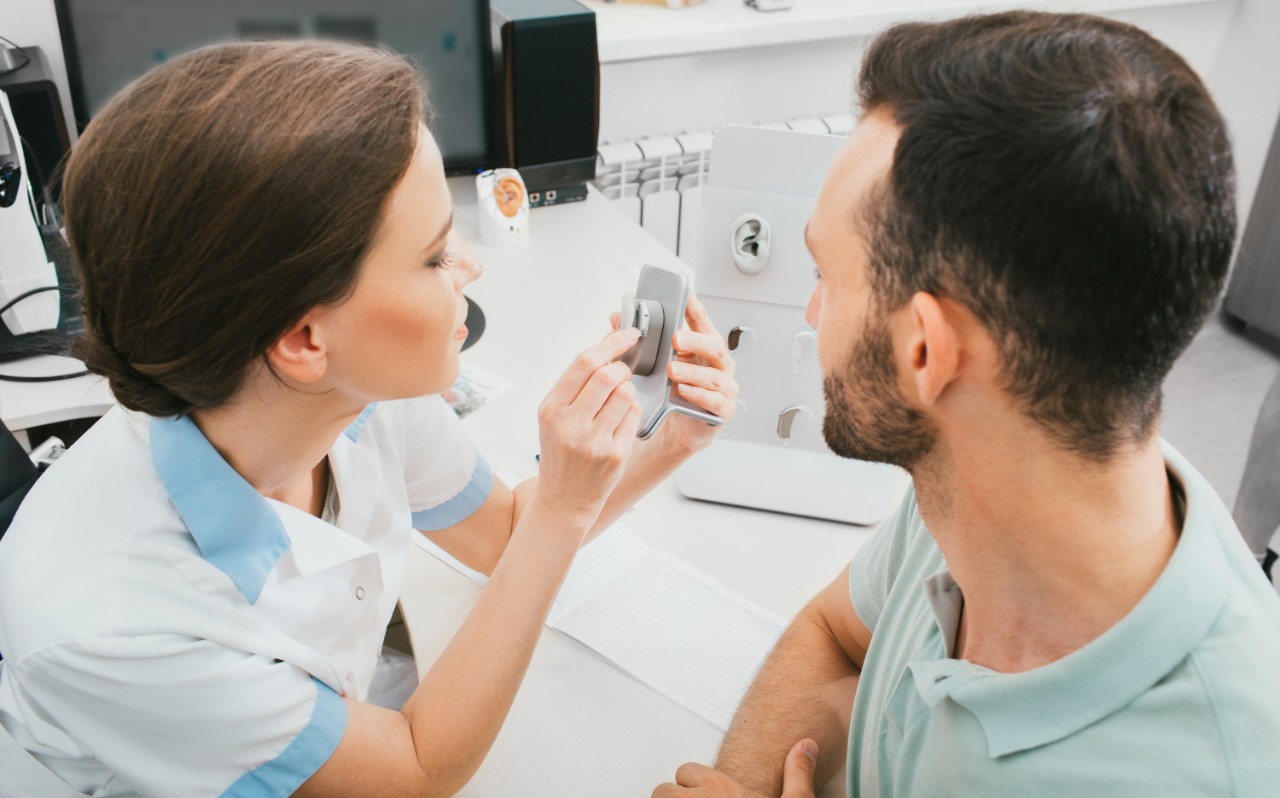
The cost of a pair of hearing aids varies widely, depending on the manufacturer, quality, and features.
How much are hearing aids in Australia?
The cost of hearing aids in Australia varies widely depending on the technology, features, brand and professional services included.
- On average, basic hearing aids typically cost around AUD $1,000 to $2,500 per device, mid-range devices range from AUD $2,500 to $4,000 per device
- Premium models with advanced features such as Bluetooth, rechargeable batteries and sophisticated noise reduction can cost AUD $4,000 to $6,000 or more per device.
- Costs per pair therefore generally range from approximately AUD $2,000 to $12,000, depending on the level of technology, additional features and services included.
This guide breaks down the factors influencing hearing aid costs, what is included in the price, optional features, and the funding or subsidy options available in Australia, while also answering common questions about accessibility and affordability.
Why are hearing aids expensive?
Hearing aids are costly because they combine advanced medical technology with professional services and personalised support. Unlike over-the-counter amplifiers, modern hearing aids are essentially mini-computers. They use sophisticated algorithms to separate speech from background noise, reduce feedback and wind interference, and adapt in real time to the listening environment. Many devices now feature Bluetooth connectivity, rechargeable batteries and AI-assisted sound processing, which contribute to the price.
Each hearing aid must be custom-fitted and programmed by a licensed audiologist. This involves diagnostic testing, real-ear measurements and follow-up tuning to ensure the device matches your unique hearing profile, ear canal shape and lifestyle. The cost covers not just the hardware, but also the expertise and time of the audiologist, ensuring optimal performance, comfort and long-term usability.
What affects hearing aid prices?
Several factors influence the overall cost of hearing aids:
- Technology level: Basic, mid-range or premium devices vary in features, sound processing capabilities and connectivity.
- Style and fit: Behind-the-Ear (BTE), In-the-Ear (ITE) or Invisible-in-Canal (IIC) models differ in complexity, customisation and cosmetic appeal.
- Number of devices: Most users require two hearing aids for balanced hearing, which effectively doubles the cost.
- Professional services: Consultations, fittings, follow-up adjustments, maintenance, firmware updates and multi-year warranties are typically included.
While hearing aids may seem expensive upfront, considering their lifespan provides a clearer perspective. Most devices last around five years, translating to roughly $48 per month or $575 per year, often less than everyday subscriptions or leisure activities. Additionally, many providers offer financing plans, and eligible users can benefit from insurance rebates or government subsidies, making hearing aids more affordable.
What is included in hearing aid costs?
The cost of a hearing aid goes beyond the device itself. Most prices include:
- Initial consultation and hearing test
- Custom-molded earmolds
- Professional fitting and programming
- Follow-up adjustments and routine cleaning
- 1–3 year warranty covering repairs or replacement
It’s important to ask providers exactly what’s included to avoid unexpected costs.
What isn’t included in hearing aids costs
Some costs may fall outside the standard price of hearing aids, such as:
- Replacement batteries or charging ports for rechargeable models.
- Accessories such as drying kits, dehumidifiers or specialized cleaning tools.
- Optional extended warranties or premium support packages beyond the basic coverage.
Being aware of these potential extra costs allows you to budget effectively and avoid surprises after purchase.
How technology & features affect hearing aid price
The price of a hearing aid is heavily influenced by the level of technology and available features. Advanced devices often provide:
Feature | Benefit |
|---|---|
| Noise reduction |
Improves listening clarity in noisy environments |
| Directional microphones |
Focuses on specific sounds, improving conversation clarity |
| Rechargeable batteries |
Reduces recurring costs and environmental impact |
| Telecoils |
Enhances audio clarity on telephones and loop systems |
| Wireless connectivity |
Enables direct streaming from smartphones and TVs |
| Remote controls |
Allows easy adjustments without removing the device |
| Environmental noise control |
Automatically adapts to different sound environments |
Average costs by type of hearing aid
Hearing aids are available in various styles, each with its own pricing and functional advantages:
Hearing aid type | Average Price per Device (AUD) | Key advantages |
|---|---|---|
| Behind-the-ear (BTE) |
$2,000–$3,500 |
Powerful, suitable for all ages and degrees of hearing loss |
| In-the-ear (ITE) |
$1,800–$3,200 |
Discreet, easy to handle, custom-fit |
| In-the-canal (ITC) |
$1,500–$3,000 |
Small, cosmetically appealing, suitable for mild-to-moderate loss |
| Completely-in-canal (CIC) |
$1,800–$3,500 |
Nearly invisible, ideal for mild hearing loss |
| Premium models |
$4,000–$6,000+ |
Advanced technology, wireless streaming, superior noise cancellation |
Working closely with a licensed hearing care professional ensures that you select the right style, model, and features to meet both your hearing needs and lifestyle preferences.
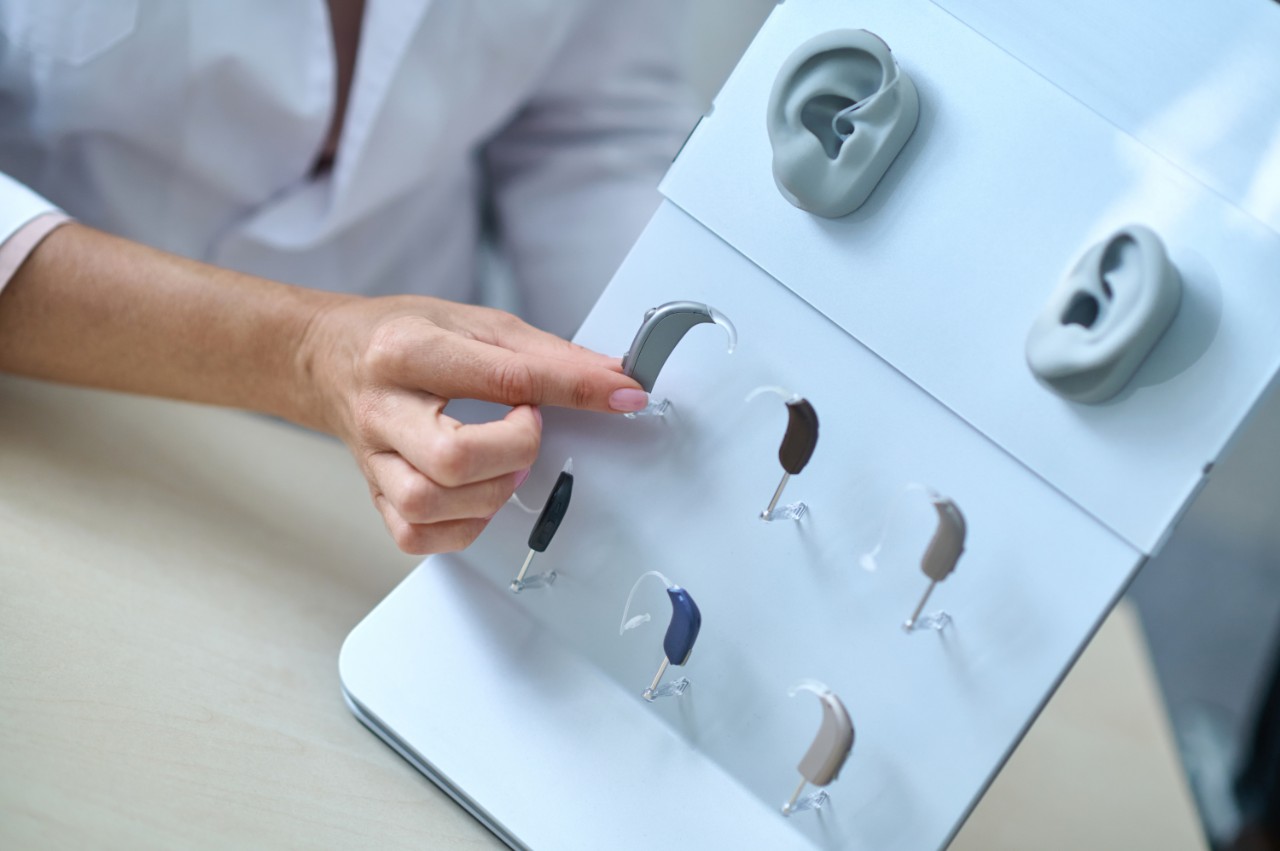
Hearing aids aren't universal solutions. Finding the most suitable device means considering your hearing ability, the right technology, and the level of comfort you expect. A specialist will guide you through key factors such as:
✅ Your hearing levels
✅ Device style and technological features
✅ Wearing comfort
✅ Price and performance
✅ Your lifestyle and regular listening environments
✅ Dexterity, vision, and other personal requirements
Can you buy hearing aids online?
Some over-the-counter devices, called personal sound amplification products (PSAPs), are marketed as alternatives to prescription hearing aids. These devices:
- Are not regulated as medical devices for hearing loss treatment.
- Cannot be customised for individual hearing profiles, which can lead to poor results.
- May over-amplify sounds, potentially causing further hearing damage.
- Often have suboptimal sound quality, blocking some frequencies and producing discomfort.
For safe and effective outcomes, always consult a licensed hearing professional and avoid unverified online products.
How to get reduced costs for hearing aids
While hearing aids can be expensive when purchased privately, there are several subsidies, government programs, insurance rebates, and funding options that can significantly reduce out-of-pocket costs in Australia. These supports are especially relevant for seniors, pensioners, veterans, people with disability support plans, and private health insurance holders.
1. Australian Government Hearing Services Program (HSP)
The Hearing Services Program is the most widely used government initiative to reduce hearing aid costs in Australia. It provides fully subsidised hearing services and devices to eligible Australians through accredited providers. This means eligible individuals can receive hearing assessments, hearing aids, fittings, and follow-up care with little or no cost.
2. Private health insurance rebates
If you have private health insurance with extras cover, you may be eligible for rebates on hearing aids and audiology services. Many Australian insurers offer partial coverage that helps offset out-of-pocket costs.
What you might get:
- Rebates on hearing aids (e.g., fixed amounts or percentage-based reimbursements)
- Rebates on hearing assessments, fittings, repairs, or follow-up appointments
Important considerations:
- Extras cover varies significantly between insurers and policies
- There is often a waiting period (commonly 12 months) before you can claim
- Rebates can depend on annual or multi-year limits (for example, every 2–3 years)
- Always check with your health fund provider for exact benefits, limits, and claiming procedures
3. National Disability Insurance Scheme (NDIS)
Some participants in the NDIS may receive support for hearing services if their plan specifies hearing needs as reasonable and necessary. While the NDIS does not automatically cover all hearing aids, it may provide funding under assistive technology if approved by the planner.
Key points about NDIS funding:
- Funding is plan-dependent and requires assessment
- Can cover equipment, fittings, and related services if assessed as essential
- Not every NDIS participant will qualify for hearing aids through this route
4. Hearing aid banks and community support
For people who do not qualify for government programs or lack private insurance, there are non-profit hearing aid banks across Australia that offer reconditioned devices at reduced cost or free. These organisations often have specific eligibility criteria and may be operated through hospitals, disability services, or community groups.
Examples include:
- Hearing Aid Bank – National
- Hearing Matters Australia (NSW)
- Lions Hearing Aid Bank (WA)
- State-based programs through local health services
5. WorkCover and compensation claims
If your hearing loss is caused by work-related noise or injury, WorkCover (in applicable states) or workers’ compensation schemes may provide funding for hearing aids and services. Eligibility varies by jurisdiction and claim circumstances.
6. Additional financial support options
- Payment Plans and Financing: Many clinics offer interest-free or flexible payment plans to spread costs over time.
- Tax or Medical Expense Rebates: Hearing aids in Australia are GST-free, and you may be able to claim medical expense deductions on your tax return (subject to ATO rules).
- Self-Funded Retiree Discounts: Some providers offer discounts for seniors with a valid Seniors Card.

Improving your hearing can enhance your quality of life, help you stay connected, and make everyday conversations clearer. Booking a hearing test is the first step toward personalised solutions tailored to your needs.
Benefits of a professional hearing test:
- Accurate assessment of your hearing levels
- Custom recommendations for the best hearing aids
- Early detection of potential hearing issues
- Expert advice on subsidies, funding, and financing options
- Ongoing support and follow-up care
Ready to start?
Book Your Free Hearing Test Now and take the first step toward clearer, more confident hearing.
Where to buy hearing aids in Australia
In Australia, hearing aids can be purchased through several reliable and regulated channels, each offering different levels of service and support:
- Licensed hearing care clinics and audiology centres, where you receive a professional hearing assessment, personalised device recommendations, fitting, and ongoing aftercare.
- Approved providers under the Australian Government Hearing Services Program, which offer free or subsidised hearing aids to eligible individuals, including pensioners and concession card holders.
- Private hearing clinics and national chains, which often provide a wide range of brands, financing options, trial periods, and extended warranties.
While some devices are sold online, these are often over-the-counter sound amplifiers rather than regulated hearing aids. For safe, effective, and long-term results, purchasing from a registered Australian hearing provider ensures proper fitting, compliance with health standards, and access to professional support.
What to ask before you buy hearing aids
When purchasing hearing aids in Australia, make sure to clarify the following:
- Trial period – Most clinics offer around 30 days to test comfort and sound quality.
- Return policy – Check whether refunds are full or subject to fees.
- Adjustment visits – Confirm how many follow-up visits are included for fine-tuning.
- Hidden fees – Request a clear breakdown of all costs, including fittings, batteries, and servicing.
- Warranty length and coverage – Verify whether the warranty covers repairs only or full replacement.

Next steps
Hearing loss is highly individual and requires personalised solutions. To ensure optimal results:
- Schedule a hearing test with a licensed provider.
- Discuss your lifestyle and daily listening needs.
- Explore funding, subsidy, and insurance options to make the investment more affordable.
- Investing in hearing aids can significantly improve quality of life, from better communication with family and friends to enhanced participation in social and professional settings.
FAQs about hearing aid prices
Are there free hearing aids for pensioners?
Are hearing aids covered by Medicare?
Are hearing aids tax deductible?
In Australia, hearing aids are generally not tax deductible. The cost is considered a personal medical expense, and the medical expenses tax offset has largely been phased out.
In most cases, you cannot claim hearing aids on your tax return, though you may reduce costs through government subsidies or private health insurance rather than tax deductions.
Do you need a prescription for a hearing aid?
In Australia, you do not need a prescription to buy hearing aids. Hearing aids are provided following a professional hearing assessment by a qualified hearing care specialist, who programs the devices based on your results.
A prescription is only required in specific medical cases or when accessing certain government-funded hearing services.