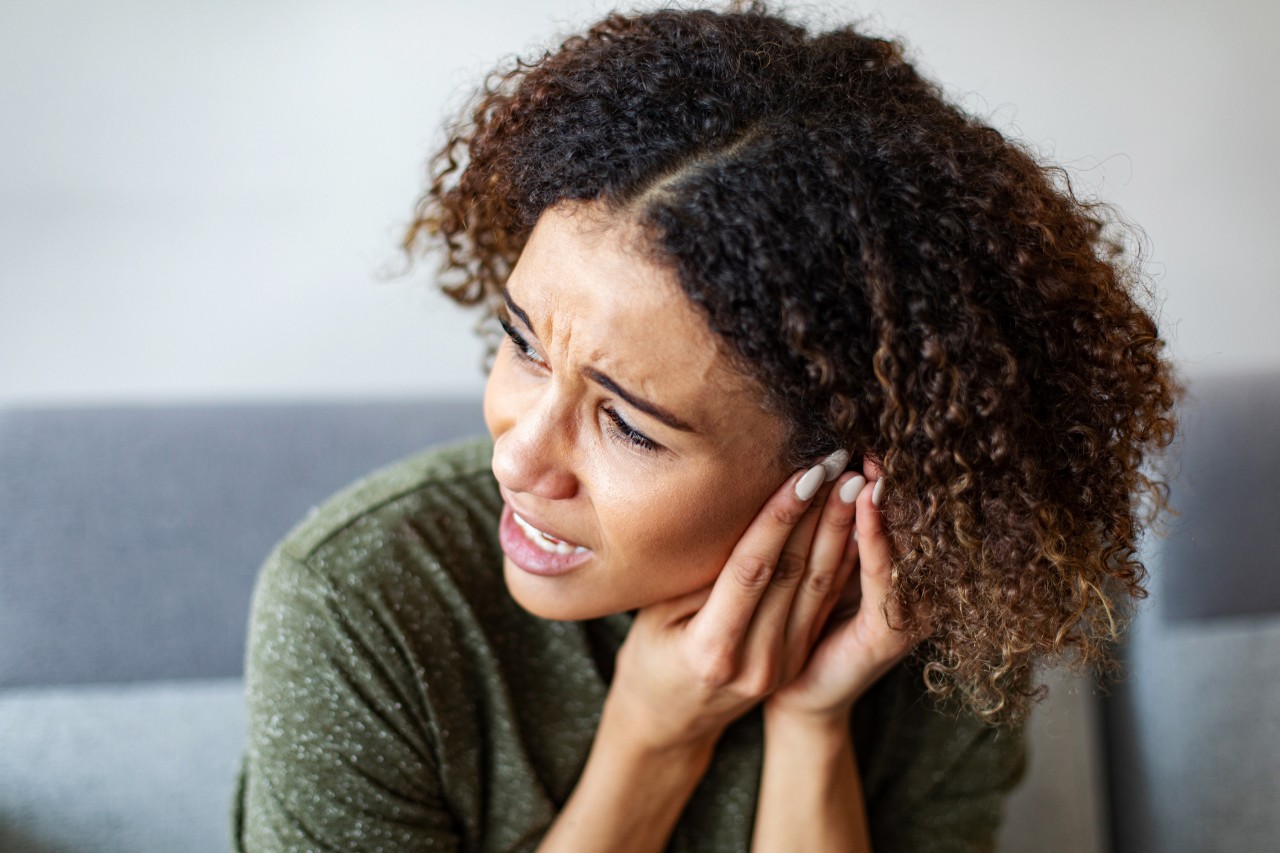
Bilateral hearing loss
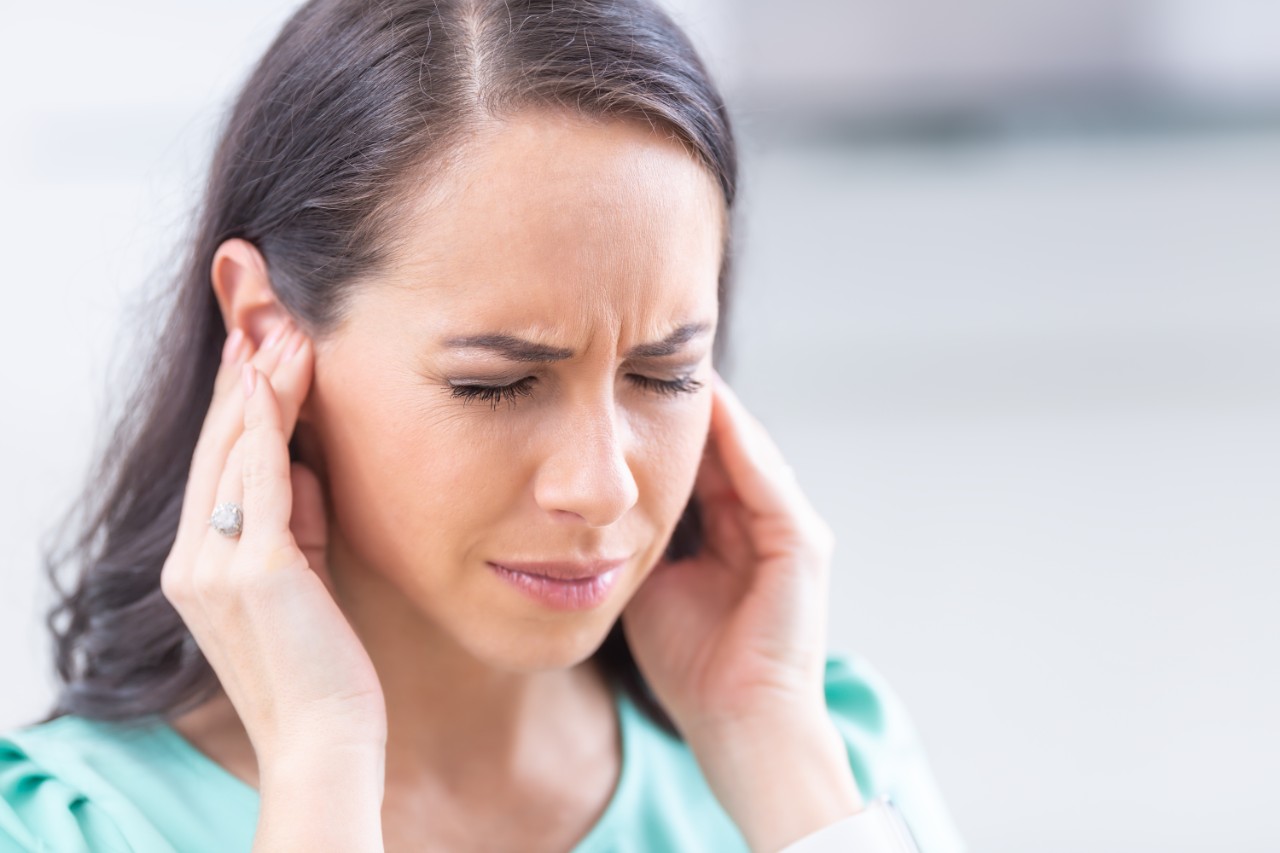
Bilateral hearing loss affects both ears and can range from mild to profound. This article explains what it is, common causes, types like sensorineural or conductive, symptoms, testing methods, and available treatments to manage or improve hearing.
What Is bilateral hearing loss?
Bilateral hearing loss refers to a reduction in hearing ability in both ears. Unlike hearing loss in just one ear, having difficulty in both ears can make it harder to locate sounds, follow conversations, and understand speech in noisy environments.
The severity of bilateral hearing loss can vary from mild to profound, and it can affect daily communication and overall quality of life. People with this condition often notice challenges when trying to engage in social situations or simply enjoy everyday sounds, from conversations with family and friends to music or television.
Even subtle changes in hearing in both ears can impact your day-to-day experiences, so paying attention to any signs of difficulty is important.
If you suspect hearing issues in both ears, try a quick online hearing test to get an idea of your hearing ability in just a few minutes.
Main types of bilateral hearing loss
Bilateral hearing loss may be conductive, sensorineural, or mixed, and can range in severity from mild to profound. Understanding the various types is essential for accurate diagnosis, effective management, and appropriate intervention. The following sections will provide a detailed overview of all types and subtypes of bilateral hearing loss, including their respective characteristics and clinical implications.
Bilateral sensorineural hearing loss
Bilateral sensorineural hearing loss refers to a reduction in hearing ability that affects both ears due to problems in the inner ear or auditory nerve. This type of hearing loss is typically permanent and can vary in severity, impacting daily communication, the ability to understand speech in noisy environments, and overall quality of life.
People with bilateral sensorineural hearing loss may experience a range of symptoms that can impact their everyday communication and quality of life. They often struggle to follow conversations, particularly in noisy environments such as restaurants or crowded areas, and may find themselves frequently asking others to repeat what has been said. Many individuals also report experiencing tinnitus, described as ringing, buzzing or hissing sounds in the ears.
In some cases, there may be a sensation of fullness or pressure in the ears, along with difficulty determining the direction of sounds. These challenges can lead to fatigue and frustration, as the constant effort required to hear and understand speech can be mentally and physically draining.
Below, we explore the main subtypes of bilateral sensorineural hearing loss, highlighting their distinctive features and what makes each one unique.
Bilateral mild sensorineural hearing loss
Bilateral moderate sensorineural hearing loss
Bilateral profound sensorineural hearing loss
Bilateral sudden sensorineural hearing loss
Bilateral conductive hearing loss
Bilateral conductive hearing loss occurs when sound cannot efficiently travel through the outer or middle ear to reach the inner ear. Common causes include chronic otitis media, otosclerosis, or congenital malformations. Patients often describe their hearing as muffled or “blocked”, with difficulty perceiving soft sounds. Some may also report a sensation of pressure or fullness in the ears.
Because the inner ear and auditory nerve are usually intact, this type of hearing loss is often amenable to treatment through medical management, surgical intervention, or the use of hearing aids, which can significantly improve hearing function and quality of life.
Bilateral high-frequency hearing loss
Bilateral high-frequency hearing loss primarily affects the perception of high-pitched sounds, such as consonants in speech or environmental noises like birdsong and alarms. This form of hearing loss is frequently associated with ageing (presbycusis) or long-term exposure to loud sounds.
Patients often have normal hearing for low-pitched sounds but struggle to understand speech in noisy or crowded environments. Tinnitus, or ringing in the ears, is a common accompanying symptom. Early recognition and rehabilitation, including hearing aids tailored to high-frequency amplification, can greatly enhance communication and daily functioning.
Bilateral noise-induced hearing loss
Bilateral noise-induced hearing loss results from prolonged or repeated exposure to loud sounds, often in occupational or recreational settings. Damage typically affects the hair cells in the cochlea responsible for high-frequency hearing, leading to irreversible deficits.
Patients commonly report difficulty distinguishing speech, persistent tinnitus, and challenges in localising sounds. Prevention—such as consistent use of hearing protection—is critical. Once established, management may involve hearing aids, sound therapy, or counselling to help mitigate the functional and social impacts of the hearing loss.
Mild bilateral hearing loss
Mild bilateral hearing loss indicates a slight reduction in hearing thresholds in both ears, typically ranging between 20–40 dB. While subtle, this degree of loss can cause communication difficulties, especially in background noise.
Patients may frequently ask others to repeat themselves, increase the volume on televisions or devices, and sometimes experience mild social withdrawal due to frustration during conversations. Early detection and intervention—through hearing aids or assistive listening devices—can significantly improve auditory perception, social interaction, and overall quality of life.
Bilateral hearing loss
- Ears affected: Both ears
- Symptoms: Reduced hearing in both ears, poor speech understanding, impaired sound localisation, and possible tinnitus or a sensation of fullness in the ears.
- Common causes: Age-related changes, chronic noise exposure, ototoxic medications, and genetic or systemic conditions.
Treatment: Bilateral hearing aids or cochlear implants, with regular monitoring and early rehabilitation to maintain communication ability and cognitive health.
Unilateral hearing loss
- Ear affected: One ear
- Symptoms: Hearing loss in one ear, difficulty localising sounds, speech perception challenges on the affected side, and possible tinnitus.
- Causes: Sudden sensorineural hearing loss, acoustic trauma, ear infections, or congenital and structural abnormalities.
- Treatment: CROS (Contralateral Routing of Signal) or bone-anchored hearing devices, targeted amplification, and auditory training to improve spatial awareness and speech clarity.
Bilateral hearing loss test
Assessment of bilateral hearing loss requires a comprehensive audiological evaluation, including an audiogram, to determine the type, degree, and configuration of the loss. The standard diagnostic approach typically includes pure-tone audiometry, speech audiometry, tympanometry, and otoscopic examination.
Pure-tone audiometry and the resulting audiogram measure hearing thresholds across frequencies and help differentiate between conductive, sensorineural, and mixed types of hearing loss. In cases of bilateral mixed hearing loss, the audiogram generally shows elevated air-conduction thresholds with a noticeable air–bone gap, indicating the presence of both conductive and sensorineural components.
Tympanometry may reveal abnormal middle-ear compliance or pressure, supporting the diagnosis. Additional assessments such as otoacoustic emissions (OAEs) or auditory brainstem response (ABR) testing may be conducted when further diagnostic clarification is required or in non-cooperative patients, such as infants or young children.
Bilateral hearing loss treatment
Treatment of bilateral hearing loss depends on the cause, severity, and type—whether conductive, sensorineural, or mixed. A comprehensive assessment allows clinicians to develop an individualised management plan for each patient.
Conductive hearing loss is often reversible and may be treated medically or surgically. Common interventions include managing ear infections, removing obstructions, or performing corrective surgery for ossicular chain abnormalities or otosclerosis, which can lead to significant hearing improvement.
Sensorineural hearing loss, by contrast, usually involves permanent damage to the cochlea or auditory nerve. Management typically focuses on amplification through digital hearing aids precisely calibrated to the individual’s audiogram. In severe or profound cases, cochlear implants may be recommended to restore access to sound through direct neural stimulation.
Mixed hearing loss requires a combined approach—addressing the conductive component medically or surgically, while rehabilitating the sensorineural deficit through amplification or implantable hearing devices.
Comprehensive management also includes aural rehabilitation, hearing conservation counselling, and the use of assistive listening devices to enhance communication in challenging listening environments. Early diagnosis and intervention are essential to prevent social, educational, and cognitive impacts, particularly in children and older adults.
FAQs about bilateral hearing loss
Can bilateral hearing loss cause tinnitus?
Yes. Bilateral hearing loss is frequently accompanied by tinnitus—a perception of ringing, buzzing, or hissing in both ears. It occurs when damaged hair cells in the inner ear send irregular electrical signals to the brain, which are then interpreted as sound.
The severity of tinnitus often correlates with the degree of hearing loss. While tinnitus may not always be curable, management strategies such as hearing aids, sound therapy, relaxation techniques, and counselling can significantly reduce its impact and improve overall quality of life.
What ICD-10 code for bilateral hearing loss?
The ICD-10 classification includes several specific codes depending on the type and laterality of hearing loss:
- H90.0–H90.3 – Conductive hearing loss (unilateral or bilateral)
- H90.5–H90.8 – Sensorineural or mixed hearing loss
- H91.9 – Unspecified hearing loss
For bilateral sensorineural hearing loss, the most commonly used code is H90.3. Clinicians should always select the precise code that accurately reflects both the type and extent of the condition.
How is bilateral profound hearing loss treated?
Bilateral profound hearing loss often requires advanced interventions, as conventional hearing aids typically provide limited benefit. The primary treatment is cochlear implantation, which directly stimulates the auditory nerve and restores partial hearing perception.
In some cases, bilateral cochlear implants are recommended to enhance sound localisation and speech understanding. Ongoing aural rehabilitation, speech therapy, and the use of assistive communication technologies are essential to optimise outcomes and improve quality of life.
Is bilateral hearing loss considered a disability?
Yes. Bilateral hearing loss is generally recognised as a disability, particularly when it significantly impacts communication, employment, or daily functioning.
In Australia, individuals with documented bilateral hearing impairment may be eligible for support under disability assistance or workplace accessibility programs. The degree of disability is usually determined based on audiometric results, communication needs, and the effectiveness of hearing devices or rehabilitation programs.