How to stop pulsing, heartbeat or thumping in the ear

A rhythmic pulsing sound in your ear is a form of tinnitus called pulsatile tinnitus. Unlike common tinnitus, which often sounds like ringing or buzzing, this rare form beats in sync with your heartbeat.
Pulsatile tinnitus isn’t a condition on its own. It’s usually a sign of an underlying issue, like cardiovascular disease. The key to finding relief is identifying and treating the root cause. Taking a professional hearing test is an important first step to assess your hearing health and determine whether further medical evaluation is needed.
Why can I hear my heartbeat in my ears?
Exploring the causes behind the unsettling sensation of hearing a heartbeat sound in the ear unveils a variety of potential factors but, what is the most common cause of pulsatile tinnitus? Vascular issues are the primary cause, followed by ear-related conditions:
- Vascular issues: Pulsatile tinnitus can be linked to various vascular conditions, including high blood pressure, turbulent blood flow, or abnormalities in the blood vessels near the ear. These factors can contribute to the perception of the heartbeat in the ear, often accompanied by other symptoms such as dizziness or headaches.
- Muscle contractions: In some cases, involuntary muscle contractions in the middle ear, known as middle ear myoclonus, can result in the sensation of hearing one's heartbeat. This muscular activity can generate rhythmic sounds that coincide with the individual's pulse.
- Ear-related conditions: Several ear-related conditions, such as atherosclerosis, abnormal growths in the ear, or changes in the structure of the ear's blood vessels, can lead to pulsatile tinnitus. These conditions may affect the transmission of sound within the ear, resulting in the perception of the heartbeat.
Can anxiety cause pulsing in ear?
Have you ever thought "I can hear my heartbeat in my right ear due to anxiety"? In fact, experiencing the sensation of hearing your heartbeat in your ear can trigger anxiety. Individuals may worry about underlying health issues like high blood pressure. The persistent nature of heartbeat sounds in the ear, especially nighttime tinnitus, can heighten stress levels. Seeking support from healthcare professionals is crucial for reassurance and guidance. Counseling and relaxation techniques may help manage anxiety related to pulsatile tinnitus. Remember, seeking help is key to finding relief from pulsatile tinnitus anxiety.
How to stop a pulsing sound in the ear?
Experiencing pulsatile tinnitus, or the perception of your heartbeat in your ear, can be unsettling. However, there are steps you can take to alleviate this discomfort and regain peace of mind. Here are some strategies to consider when treating pulsatile tinnitus:
- Address underlying health conditions: Schedule a visit with an ear, nose, and throat specialist or an audiologist to identify and treat any underlying medical issues contributing to the sensation.
- Practice stress-reduction techniques: Incorporate stress-reduction techniques such as deep breathing exercises, yoga, or mindfulness meditation into your daily routine to promote relaxation and reduce tension.
- Use background noise: Try using a white noise machine or playing soothing music to mask the sound of your heartbeat and provide relief from pulsatile tinnitus.
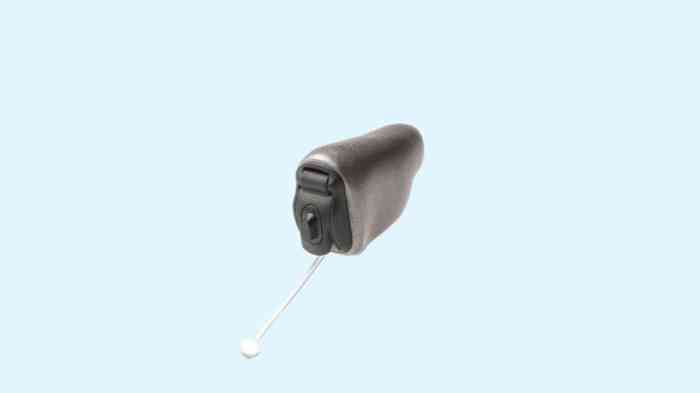
- Consider hearing aids or tinnitus maskers: Explore the option of using hearing aids or tinnitus maskers to provide additional auditory stimulation and help mask or distract from the sensation of pulsatile tinnitus.
- Maintain a healthy lifestyle: Prioritize regular exercise, a balanced diet, and adequate hydration to support overall ear health and potentially reduce symptoms of pulsatile tinnitus.
By implementing these strategies, you can take proactive steps to manage pulsatile tinnitus and improve your quality of life. Remember, consulting with a medical professional is always advisable for personalized guidance and treatment options tailored to your specific needs.

Pulsatile tinnitus symptoms
Pulsatile tinnitus is characterised by a rhythmic sound that matches your heartbeat. Common symptoms include:
- Thumping or whooshing sound in one or both ears
- Sound that intensifies when lying down or at night
- Accompanying dizziness or headaches
- Heightened awareness of heartbeat during quiet moments
If these symptoms persist, it’s important to seek medical advice to rule out underlying conditions.
Pulsatile tinnitus in one ear only
Experiencing pulsatile tinnitus in just one ear can be concerning. This often points to a localised issue, such as:
Vascular abnormalities near the affected ear
Ear infections or structural changes
Benign tumours like glomus tumours
Because unilateral pulsatile tinnitus can sometimes indicate serious conditions, prompt evaluation by an ENT specialist is essential.
Pulsatile tinnitus treatment
Treatment depends on the underlying cause. Common approaches include:
- Medical management: Addressing high blood pressure or vascular disorders
- Surgical intervention: For structural abnormalities or tumours
- Sound therapy: Using white noise or tinnitus maskers
- Lifestyle changes: Stress reduction, healthy diet, and regular exercise
Early diagnosis is key to effective treatment and symptom relief.
Do hearing aids help tinnitus?
Yes, hearing aids can help manage tinnitus, including pulsatile tinnitus. Here’s how:
- Amplifying external sounds: Reduces focus on internal noises
- Integrated tinnitus maskers: Many modern hearing aids include sound therapy features
- Improved hearing health: Supports overall auditory function
While hearing aids don’t cure tinnitus, they can significantly improve quality of life for those with hearing loss and tinnitus symptoms

FAQs on Pulsing in the ear
Is a whooshing sound in the ear dangerous?
In many cases, the cause is benign, such as temporary increases in blood pressure, stress, or sinus congestion. However, in some situations it may be related to vascular conditions, including narrowed blood vessels or abnormal blood flow.
If the whooshing sound is constant, worsening, or accompanied by symptoms like dizziness, headaches, or vision changes, it’s important to seek assessment from a GP or ENT specialist in Australia to rule out underlying medical conditions.
Why am I hearing blood flowing in my ears?
Hearing what feels like blood flowing in your ears is usually due to increased awareness of blood movement in nearby vessels. This can happen when blood flow becomes more turbulent or when structures in the ear amplify internal sounds. Common causes include:
- High blood pressure
- Physical exertion or stress
- Anaemia
- Changes in posture (such as lying down)
- Vascular changes near the middle or inner ear
This sensation is a typical feature of pulsatile tinnitus and often synchronises with your heartbeat. While it can be unsettling, it is frequently manageable once the underlying cause is identified. A healthcare professional can determine whether further tests or imaging are needed.
Is pulsatile tinnitus dangerous?
Pulsatile tinnitus itself is not a disease, but a symptom. In many cases, it is caused by non-serious and treatable conditions, such as high blood pressure or stress-related changes in blood flow.
However, because pulsatile tinnitus can sometimes be linked to vascular abnormalities or other medical issues, it is considered more clinically significant than non-pulsatile tinnitus. This is especially true if it:
- Occurs in one ear only
- Is constant rather than intermittent
- Worsens over time
- Is accompanied by neurological symptoms