Flight earplugs: Avoid plugged ears after flying

Flight earplugs help reduce pressure changes inside the cabin, preventing ear pain, blocked ears, and discomfort during take-off and landing.
This article explains how different types of earplugs for flying work, which ones to choose, where to buy them in Australia, and how to use them properly.
The importance of earplugs for flying
Earplugs are essential, especially when flying, as they help manage the rapid pressure variations that occur inside the aircraft cabin. When a plane takes off or lands, the air pressure can shift faster than your ears can naturally compensate, creating discomfort or sharp pain, known as barotrauma. These changes put strain on the Eustachian tubes, which help equalise pressure between the middle ear and the outer ear. If they are blocked due to allergies, a cold, sinus congestion, or anatomical sensitivity, the discomfort can become more intense.
Aeroplane earplugs slow down the rate at which pressure reaches the eardrum, giving your ears time to adapt. Many frequent flyers rely on them to prevent the feeling of blocked ears after a plane, a common issue after long or repeated journeys.
If you often experience ear pressure or muffled hearing when flying, it may be helpful to take our quick online hearing test for free to explore whether your ears are more sensitive to pressure imbalance.
How to avoid plugged ears after flights
The discomfort many people feel during air travel commonly happens when pressure inside the middle ear equalises more slowly than the surrounding cabin air. Even if the Eustachian tubes are functioning normally, descent can create a rapid pressure shift that leaves a blocked or muffled sensation after landing, lasting from a few minutes to several hours. Understanding how to unblock ears after planes is important because lingering pressure imbalance can be uncomfortable and may interfere with hearing clarity.
Simple actions such as swallowing, yawning, chewing gum, or gently blowing while pinching the nose can help restore normal pressure, and staying hydrated and avoiding flights when severely congested may reduce symptoms. However, while these techniques can help restore balance, wearing earplugs on planes can make the transition more gradual: they can significantly lower the risk of this issue by helping the ears adjust more smoothly during descent, reducing the likelihood of lingering blockage after the flight.

How to use flight earplugs
To safely use earplugs during a flight, start by gently pulling the top of your ear upward and backward to straighten the ear canal; this simple movement makes insertion easier and helps the earplug create a more effective seal.
Then, insert the earplug slowly with a light twisting motion, allowing it to settle comfortably without pushing it too deep (a proper seal is essential for reducing pressure-related discomfort during take-off and landing).
Finally, remember that removal is just as important as insertion. Avoid pulling earplugs straight out, as this can create sudden suction and cause irritation or discomfort. Instead, twist the earplug gently while easing it outward, giving the seal time to release gradually. This controlled movement protects the delicate tissues inside the ear, ensures greater comfort, and helps maintain safe, effective use throughout your flight.
The best earplugs for airplane pressure
A handful of trusted brands stand out among travellers in Australia and beyond. Popular options like EarPlanes, FlightSafe, Alpine, Mack’s FlightGuard, and Loop have earned a strong reputation for helping manage pressure changes and improve comfort during flights.
Each brand offers a slightly different approach: from specialised pressure-regulating filters to stylish, comfortable designs that balance noise reduction with wearability. Whether you’re sensitive to rapid pressure changes, prone to blocked ears after landing, or simply want a more pleasant flying experience, these earplugs are widely chosen by frequent flyers and occasional travellers alike.
Below, we take a closer look at what makes each of these options effective and suited to different needs while flying, besides their average prices.
EarPlanes earplugs
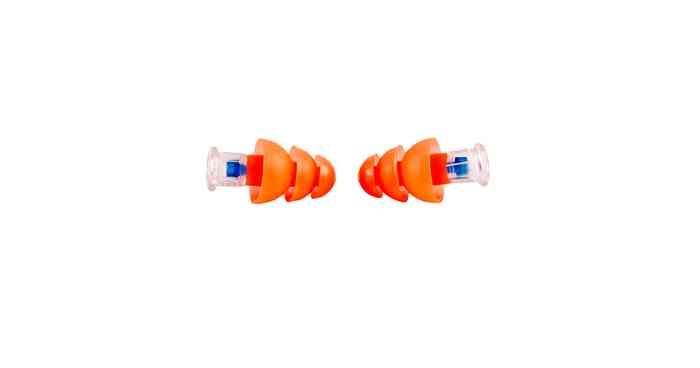
EarPlanes are among the most common earplugs for flying and are specifically engineered to regulate air pressure. Available in adult and child sizes, they are made of hypoallergenic silicone, making them suitable for sensitive ears. In fact, they rely on a ceramic filter that slows rapid cabin-pressure shifts, helping prevent ear pain, ear popping, and discomfort during take-off and landing.
Made from soft, latex-free silicone, they provide a snug fit and are especially valued by travellers prone to ear sensitivity or pressure-related vertigo. EarPlanes also integrate with their own app, which alerts users when to insert the plugs for optimal protection, making them an accessible option for occasional and frequent flyers alike. Many people consider them the best earplugs for airplane pressure.
The price range varies significantly, from $20 to $130, depending on whether you choose the standard or premium model.
FlightSafe earplugs
FlightSafe earplugs are designed to protect travellers from rapid pressure changes during descent and landing by using a patented micro-filter or metal filter that slows the pressure increase inside the ear canal. By forming a tiny pressure chamber in front of the eardrum, they help prevent ear pain during flights, barotrauma, and discomfort, especially for sensitive ears or those flying with mild congestion.
Made from soft medical-grade plastic, they are comfortable, reusable, and also provide moderate noise reduction during short or long flights.
FlightSafe earplugs cost between $14 and around $35.
Loop earplugs
Loop earplugs for flying focus primarily on noise reduction, creating a calmer travel experience by lowering cabin noise levels, making them a comfortable option for long flights.
Their soft silicone tips come in multiple sizes, ensuring a comfortable and personalised fit that’s ideal for long journeys or for travellers who are light sleepers. While Loop earplugs don’t regulate pressure like specialised aviation filters, they excel in noise relief, helping travellers relax, sleep, or focus in loud aircraft environments.
In the end, these earplugs provide a reusable, stylish solution for travellers who want hearing protection without compromising comfort or clarity of sound.
The cost of Loop earplugs varies depending on the model and features, but is generally around $35–$95.
Alpine earplugs
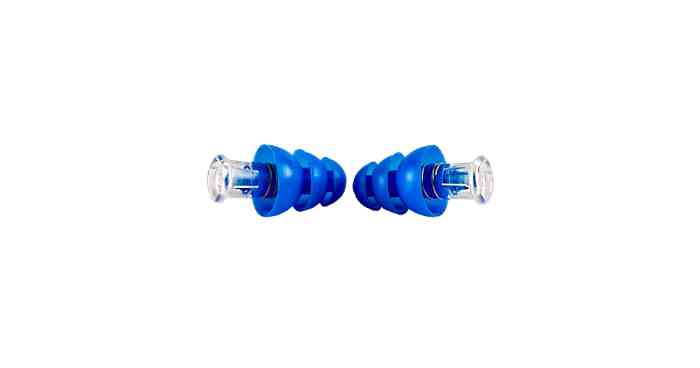
Alpine FlyFit earplugs use pressure-regulating filters that act like valves, providing gradual equalisation between cabin air and the middle ear, reducing discomfort during take-off and landing.
They are made of a specific thermoplastic material that softens with body heat to create a personalised, comfortable fit while still allowing conversations to be heard. They feature a high-quality filter that slows the equalisation of pressure in the ear, making them ideal for travellers who often experience ears plugged after flight.
Reusable up to 100 times, they suit travellers wanting mild noise reduction and reliable pressure management.
The average price of Alpine FlyFit earplugs is around $25–$50.

Where to buy flight earplugs?
The best aeroplane earplugs are available at major pharmacy chains and trusted online stores. Retailers such as Chemist Warehouse offer a wide range of pressure-regulating earplugs designed specifically for flying, including reusable options and specialised models for travellers with sensitive ears, children, or frequent flyers. These products help reduce discomfort caused by rapid pressure changes and improve overall comfort during air travel.
Another popular place to buy ear plugs for flying is Priceline, which stocks pressure-reducing flight ear plugs as well as other reusable, soft, and comfortable hearing protection options. Their range includes ear care products designed to support ear health, lower cabin noise, and protect the ears throughout take-off and landing, making flights more comfortable and stress-free.
How to help infant's ears on a plane: earmuffs
Earplugs are not all the same: they may come in different designs depending on the traveller’s age, ear anatomy, and ear sensitivity. For this reason, choosing the right option is essential for a safe and comfortable flight.
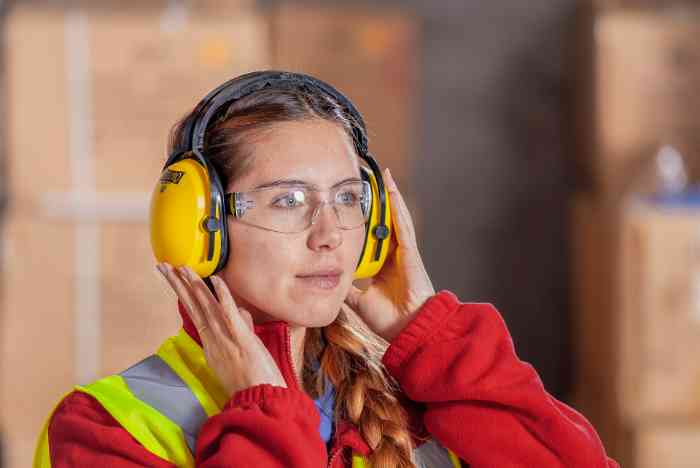
Traditional airplane earplugs are usually not suitable or recommended for babies, unless specifically designed and medically approved, due to their small and delicate ear canals, which make deep insertion unsafe and ineffective. For this reason, infants require over-ear protection, precisely earmuffs for planes, or natural pressure-relief techniques, such as breastfeeding, bottle-feeding, or sucking during take-off and landing, which help equalise pressure.
Earplugs for flying are generally recommended for ages 5–6 and above, when the ear canal is developed enough for a proper fit. In any case, they are softer, made of mouldable silicone putty (or other hypoallergenic materials to ensure safety) that sits over the ear canal rather than inside it, creating a gentle seal without going deep into the ear.
FAQs about flight earplugs
Where to sit on a plane to avoid ear pain?
When to use earplugs during flight?
Do headphones stop ears from popping on a plane?