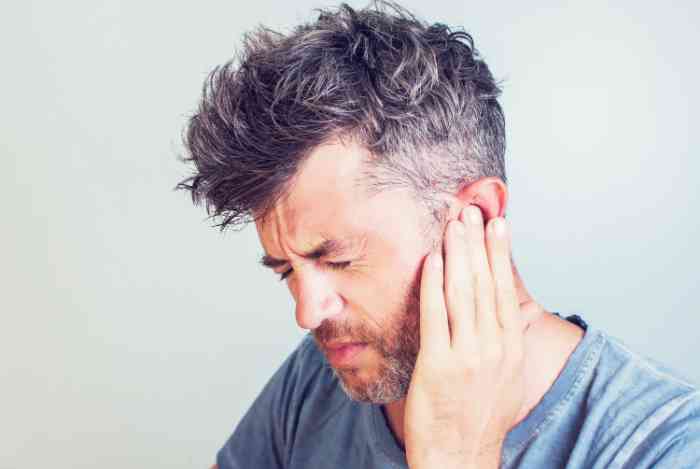
Tinnitus is a condition for which there is currently no definitive cure, yet the range of evidence-based treatments available continues to grow. For many people, the right combination of therapies can make tinnitus significantly less disruptive to daily life, even when the sound itself does not disappear entirely.
92%
Studies have found that 92% of people with tinnitus have hearing loss.
Can tinnitus be temporary?
For some people, yes. Tinnitus that follows a single loud noise exposure, a short-term ear infection, or certain medications often resolves once the underlying cause is addressed.
Chronic tinnitus — lasting longer than three months — is far less likely to resolve on its own and is more likely to require active management.
How long tinnitus lasts depends largely on what is causing it. The table below summarises the most common scenarios:
|
Cause |
Likely duration |
Recommended action |
|---|---|---|
|
Loud noise exposure |
Hours to days |
Rest, avoid further noise exposure and use ear protection |
|
Medication-induced |
May resolve after stopping the drug |
Consult your GP before stopping any medication |
|
Ear infection |
Weeks, with appropriate treatment |
See a doctor for diagnosis and treatment |
|
Chronic tinnitus (3+ months) |
Ongoing |
TRT, CBT and sound therapy |
Tinnitus treatments that work
The most effective approaches to tinnitus management combine sound-based strategies with psychological support. Used consistently — and often in combination — they can substantially reduce the impact of tinnitus on sleep, concentration and wellbeing.
Tinnitus Retraining Therapy (TRT)
TRT is one of the most established clinical approaches for chronic tinnitus. It combines directive counselling — helping you reframe how you perceive and respond to the sound — with low-level sound therapy delivered through small wearable devices. The goal is habituation: training the brain to treat tinnitus as background noise it no longer needs to flag as significant. Most programmes run for 12 to 24 months, and for many patients the improvement in quality of life is substantial.
Sound Therapy & hearing aid for tinnitus
Sound therapy reduces the contrast between tinnitus and silence — often the condition where tinnitus feels most intrusive. White noise machines, nature soundscapes and dedicated apps can all help, particularly at night.
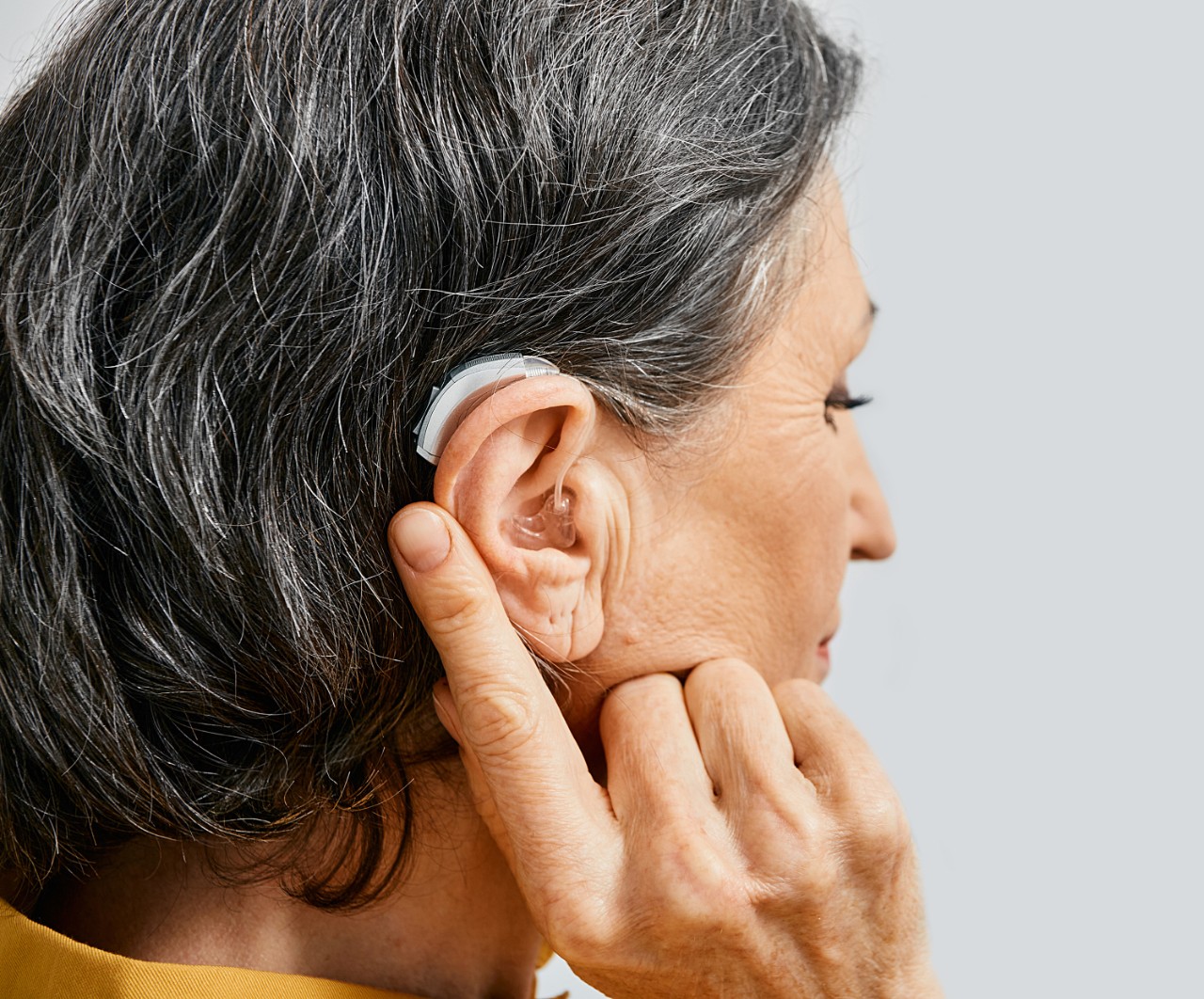
For those with concurrent hearing loss, hearing aids are frequently the most effective option: by amplifying environmental sound, they naturally reduce the relative prominence of the internal tinnitus signal.
Cognitive Behavioral Therapy
CBT for tinnitus doesn't target the sound itself — it targets your response to it. By working with a trained psychologist or audiologist, you learn to identify and challenge the thought patterns that make tinnitus feel unmanageable: the catastrophising, the hypervigilance, the sleep anxiety. CBT for tinnitus is typically delivered over 8 to 12 sessions and has among the strongest clinical evidence of any tinnitus intervention for improving quality of life.
Natural and at-home tinnitus management
Several natural approaches can play a useful supporting role alongside clinical treatment.
Magnesium is perhaps the most talked-about supplement in tinnitus circles. Some people report marked improvement, particularly in cases related to noise exposure. The research is mixed, but the association between magnesium deficiency and auditory nerve vulnerability is biologically plausible. If you're considering supplementation, speak with your GP first rather than self-prescribing.
More broadly, stress management — through exercise, sleep hygiene, mindfulness or relaxation techniques — has a meaningful impact for many tinnitus sufferers, given the well-established link between stress and tinnitus severity.
Reducing caffeine and alcohol intake is also commonly recommended, though individual responses vary.
What to avoid: unproven tinnitus remedies
Several remedies are widely marketed for tinnitus but lack sufficient clinical evidence to support their use:
- Tinnitus pills: no medication has been specifically approved to cure tinnitus. Some drugs may be prescribed to manage associated symptoms like anxiety or insomnia — but they don't address the tinnitus itself;
- Herbal supplements marketed as cures: ginkgo biloba is the most common; the evidence does not support its use for tinnitus;
- Ear candling: ineffective and carries genuine risk of injury;
- Apps and devices sold without clinical validation: if a product can't point to peer-reviewed evidence, treat the claims with caution.
When to see a specialist about tinnitus
If tinnitus is affecting your sleep, concentration or daily activities, a consultation with an audiologist is the thing to do — the sooner the better, as early assessment helps rule out underlying conditions and ensures you access the most appropriate treatment pathway.
Book an appointment promptly if:
- Tinnitus has lasted more than three months;
- The sound is pulsatile — beating in time with your heartbeat;
- It is heard in only one ear;
- It is accompanied by sudden hearing loss or dizziness;
- It significantly affects your sleep, concentration or work.
FAQs about tinnitus cure
Is there a permanent cure for tinnitus?
Can stress make tinnitus worse?
Does magnesium cure tinnitus?