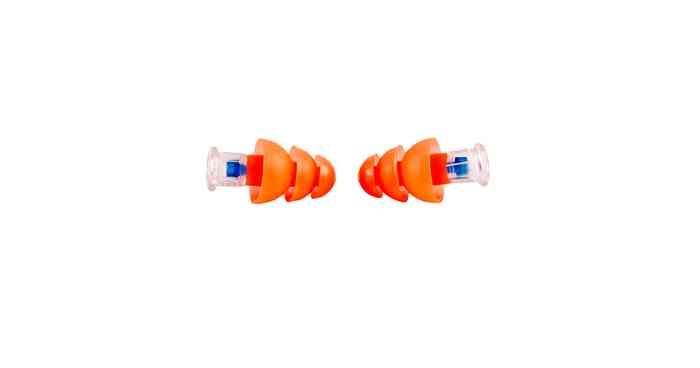
Surf ear plugs: how to protect your ears in the water

Surf ear plugs are essential for surfers and swimmers who want to protect their hearing from water, wind and pressure. This article explains how surfing ear plugs work, the best options available and how to choose the right ear protection for water sports.
What are surf ear plugs?
Surf ear plugs are ear protection devices developed for use during surfing, swimming and other water-based activities. Their primary function is to reduce the amount of water that enters the ear canal without fully sealing it. This makes them suitable for dynamic environments such as the ocean, where movement, pressure changes and wave impact are frequent.
Compared to standard waterproof ear plugs, surf ear plugs are shaped to improve retention during physical activity and are often designed to accommodate prolonged use in salt water. They are commonly used not only by surfers, but also by swimmers and individuals seeking ear protection from water during regular aquatic exposure.
Why ear protection matters in surfing and swimming?
Repeated exposure to water may affect the health of the external auditory canal, especially when moisture remains trapped after water activities. One of the most common related conditions is swimmer’s ear (otitis externa), an inflammation of the outer ear canal that can cause pain, swelling and temporary hearing discomfort.
Among surfers and individuals exposed to cold water over many years, prolonged irritation may also contribute to surfer’s ear (exostosis), a condition characterised by gradual bone growth inside the ear canal. This growth can narrow the canal and increase the likelihood of water and debris retention, potentially leading to recurrent infections.
Using appropriate ear protection for swimming and surfing can help limit these risk factors by reducing direct water exposure and supporting better ear canal conditions. For people regularly involved in water sports, periodic monitoring of hearing health is advisable. In this context, an online hearing test may provide a preliminary assessment of auditory function potentially influenced by repeated water exposure
How surf ear plugs work
Surf ear plugs function by limiting water entry into the ear canal while preserving airflow and partial sound transmission. Their design is intended for use in dynamic aquatic environments, where pressure changes and movement are frequent. Understanding how they work and how to insert them correctly is important to ensure effective protection.
- Positioning at the ear canal entrance
Surf ear plugs are designed to sit at the outer portion of the ear canal rather than sealing it completely. This positioning helps reduce direct water penetration while avoiding excessive pressure inside the ear. - Water resistance without full occlusion
The external structure of surfing ear plugs acts as a barrier that deflects water away from the canal opening. This reduces the amount of water entering the ear during wave impact or submersion. - Airflow and sound transmission
Many surf ear plugs include membranes or acoustic filters that allow air and sound to pass through. This airflow helps limit moisture build-up inside the ear canal, which is relevant in reducing the risk of otitis externa. - Pressure regulation
During activities such as duck diving or sudden depth changes, pressure differences can occur. Acoustic filters help regulate these changes, reducing discomfort and irritation of the ear canal. - Correct insertion and stability
Proper insertion is necessary to ensure stability and effectiveness. Incorrect placement may lead to reduced water protection, discomfort or uneven pressure distribution, which can irritate the ear canal over time

Surf ear plugs vs waterproof ear plugs
Although both types of ear plugs are used for ear protection from water, surf ear plugs and waterproof ear plugs are designed with different usage conditions in mind. Their structural differences influence ventilation, comfort and suitability for specific environments.
Surf ear plugs
Surf ear plugs are designed to provide water resistance while maintaining ventilation and environmental awareness.
- They reduce water entry without fully sealing the ear canal.
Airflow is preserved, helping to limit moisture accumulation inside the ear. - Acoustic filters or membranes allow partial sound transmission, supporting spatial awareness in open water.
- Their shape and retention features are intended to withstand movement, wave impact and pressure changes.
- They are suited to environments where complete occlusion may be impractical or uncomfortable during activity.
Waterproof ear plugs
Waterproof ear plugs are designed to fully seal the ear canal, primarily for use in controlled aquatic settings.
- They create a complete barrier that prevents water from entering the ear canal.
- They are commonly used for swimming in pools or calm water environments.
- By fully occluding the canal, they may reduce airflow and increase internal humidity if worn for extended periods.
- Prolonged moisture retention may contribute to irritation or increase susceptibility to outer ear infections if not managed properly.
- Correct sizing and limited wear time are important to reduce discomfort and pressure build-up.
Surf ear plugs vs swimming ear protection
Surf ear plugs and swimming ear protection are both designed to reduce water exposure, but they are intended for different activity conditions. Surf ear plugs are made for open-water environments with variable waves, currents and sudden movements, so their design focuses on remaining in place during active use. Swimming ear protection is generally used in calmer, controlled settings like pools or recreational lakes, where movement and water impact are minimal. As a result, swimming ear plugs often prioritise a simple fit and ease of insertion over retention in challenging conditions.
Additionally, swimming ear plugs may not offer the same flexibility for adjusting airflow or sound perception, as these factors are less critical in pool environments. Surf ear plugs, on the other hand, are designed to allow awareness of surroundings during activity. This distinction makes swimming ear plugs less suitable for ocean use, where stability and reliable retention are important for safety and comfort
Best ear plugs for surfing and water sports
Additional factors to consider include water temperature, session length and frequency of use. In Australia, where surfing often involves repeated exposure to cooler water in certain regions, consistent ear protection may help reduce cumulative irritation of the outer ear. Fit and retention are also relevant, as poorly fitting ear plugs may lose effectiveness during waves or sudden movement.
Several manufacturers offer ear plugs specifically designed for surfing and water sports, using different materials, shapes and filtering systems to address these needs.
Surf Ears ear plugs
Zoggs Aqua-Plugz
Custom and moulded surf ear plugs

Where to buy surf ear plugs in Australia
In Australia, surf ear plugs and ear protection for water activities are available from a variety of online and physical retailers. Standard models like SurfEars 4.0 are sold through specialist surf stores such as Surf FX and Adreno – Ocean Outfitters, with online ordering and delivery across the country.
Amazon Australia (amazon.com.au) also lists surf ear plugs, including SurfEars 4.0 and earlier models, as well as generic swimming ear plugs suitable for light water use.
Other options include standard swimming plugs from brands like Zoggs Aqua‑Plugz, available through online swim retailers such as Swimmer.com.au or major retailers in Australia. Custom‑fit or moulded ear plugs can be ordered from specialist providers like Pluggerz, designed from individual ear impressions for improved fit and water resistance.
Local surf shops and sporting goods stores in coastal areas also stock ear plugs, allowing in-person advice on sizing and fit. Audiology clinics and custom providers offer tailored solutions for those needing a precise fit or extended water protection.
FAQs about surf ear plugs
Are surf ear plugs safe?
Can they reduce surfer’s ear risk?
Are custom plugs suitable for frequent surfers?
Can swimming plugs be used for surfing?