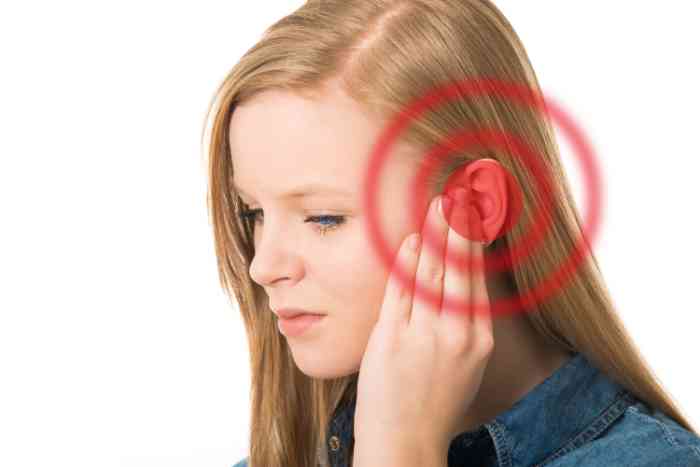

Menopause can bring unexpected symptoms — including tinnitus. Discover how hormonal changes affect your hearing, whether the ringing can fade, and what can help you manage it effectively.
Tinnitus and menopause connection
Menopause marks the natural end of a woman’s reproductive years and is associated with a gradual decline in oestrogen and progesterone. These hormones influence many systems in the body, including the auditory and nervous systems. When their levels drop, blood flow to the inner ear can become less efficient, and the delicate balance of neurotransmitters that support hearing can shift.
This hormonal imbalance may make the auditory system more sensitive to internal or external sounds. As a result, some women begin to notice tinnitus — a persistent perception of ringing, buzzing, humming or hissing noises in one or both ears. These sounds aren’t produced by an external source but originate from within the hearing system itself.
Tinnitus during menopause can range from mild background noise to more intrusive ringing that interferes with concentration, relaxation, or sleep. Because the body is already adjusting to other symptoms such as hot flushes, mood changes and fatigue, tinnitus can further impact quality of life.
Concerned about your hearing or ringing in your ears? Take EarPros’ free online hearing test to check your hearing health in just a few minutes.
Can menopause cause tinnitus?
Yes — menopause can directly or indirectly trigger tinnitus. The reduction in oestrogen affects how well oxygen and nutrients circulate through the inner ear, including the cochlea, which is responsible for detecting sound vibrations. Reduced blood flow and nerve sensitivity can interfere with how your brain interprets sound signals, leading to the perception of tinnitus.
Beyond hormonal shifts, menopause often brings heightened stress, disrupted sleep, and anxiety — all of which can amplify tinnitus symptoms. In some cases, certain medications used to manage menopausal symptoms, such as antidepressants or anti-inflammatories, can have tinnitus listed as a potential side effect.
It’s also worth noting that hearing loss and tinnitus frequently occur together. Studies show that women in perimenopause and postmenopause are more likely to experience mild to moderate hearing loss, which can make tinnitus more noticeable.
Does menopause tinnitus go away?
For many women, tinnitus caused by menopause is temporary and tends to improve as hormone levels stabilise. However, others may experience persistent or recurring symptoms. The duration often depends on factors such as stress levels, general ear health, and whether an underlying hearing condition is present.
If tinnitus lasts longer than a few months, worsens over time, or is accompanied by dizziness or sudden hearing loss, it’s important to seek professional advice. Persistent tinnitus may indicate conditions like sensorineural hearing loss, Eustachian tube dysfunction, or changes in blood flow to the ear.
Lifestyle adjustments can make a noticeable difference. Managing stress through mindfulness, yoga, or relaxation breathing, maintaining good sleep hygiene, and reducing alcohol and caffeine intake can all help reduce tinnitus intensity. An audiologist can assess your hearing and suggest targeted treatments tailored to your needs.

Noticing persistent tinnitus, changes in your hearing, or ear discomfort as your hormones shift? Don’t wait for it to worsen—take a proactive step for your hearing health. Discover whether menopause may be affecting your ears and get personalised insights with a quick, easy online test.
Take Your FREE Online Hearing Test Today
Is tinnitus a symptom of menopause?
While tinnitus isn’t officially classified as a core menopausal symptom, many women report it emerging or worsening during this stage. The drop in oestrogen and progesterone affects the inner ear’s vascular and neurological systems, which can alter how sound is processed.
In addition to ringing or buzzing, some women experience related ear sensations such as pressure, dryness in the ear canal, or a feeling of fullness. These symptoms may occur alongside other hormonal changes, including migraines, temperature sensitivity, and dizziness.
Understanding that tinnitus can be linked to menopause can help reduce the fear or frustration it causes. Recognising it as a common, manageable symptom rather than something alarming often helps women cope better and seek the right support.
Pulsatile tinnitus in menopause
Pulsatile tinnitus is a type of tinnitus where you hear a rhythmic sound that beats in time with your heartbeat. It’s less common but can appear during menopause due to vascular changes or fluctuating blood pressure levels caused by hormonal shifts.
Because pulsatile tinnitus can sometimes be related to circulatory issues, middle ear problems, or high blood pressure, it’s essential to get it checked by a medical professional. Your GP or ENT specialist may order hearing tests, imaging (like an MRI or CT scan), or a blood pressure evaluation to rule out other causes.
Early diagnosis helps determine whether the pulsatile tinnitus is linked to menopause or a different underlying condition — ensuring the most suitable management plan.

Managing tinnitus after menopause
Managing tinnitus during and after menopause requires a personalised approach. Because hormonal changes can affect individuals differently, the best treatment will depend on the underlying cause and how severe the tinnitus is. Below are the most common management options, along with important considerations.
Disclaimer: The following information is for educational purposes only. EarPros does not provide medical treatment or prescribe medication. Always consult your GP, audiologist or ENT specialist before starting or changing any treatment plan
Hormone Replacement Therapy (HRT)
Hormone replacement therapy can help stabilise oestrogen levels, which may reduce tinnitus symptoms for some women. Research suggests that improved blood flow and nerve regulation may lessen the perception of tinnitus. However, results vary — for some, symptoms may temporarily worsen before improving.
HRT must always be prescribed and monitored by a doctor, as it carries potential side effects and may not be suitable for everyone. Your healthcare provider will help assess whether HRT is appropriate based on your health history and risk factors.
Sound therapy and hearing aids
Sound therapy uses external sounds to mask or distract from internal ringing. This can include white noise machines, hearing aids with built-in masking programs, or specialised tinnitus management devices.
For women who also have hearing loss, modern digital hearing aids can help by amplifying environmental sounds, which naturally reduces tinnitus perception. Audiologists can tailor these devices to your specific hearing profile, offering ongoing relief and improved communication.
Stress and sleep management
Stress and lack of sleep can significantly increase tinnitus intensity. During menopause, disrupted sleep and anxiety are already common, making stress management a key part of treatment.
Techniques such as deep-breathing exercises, mindfulness meditation, or gentle yoga can lower cortisol levels and improve sleep quality, which in turn helps reduce tinnitus awareness. Creating a calm bedtime routine and avoiding stimulants like caffeine or alcohol can also improve sleep patterns.
Lifestyle and nutritional support
Maintaining a balanced diet and healthy lifestyle can help reduce the impact of tinnitus. Foods rich in magnesium, zinc, and antioxidants support nerve function and blood circulation, while staying hydrated helps maintain inner ear fluid balance.
Avoiding excessive salt intake may also help manage tinnitus linked to fluid pressure in the inner ear (endolymphatic hydrops). Regular physical activity improves circulation and boosts overall wellbeing, which can lessen tinnitus discomfort over time.
Cognitive Behavioural Therapy (CBT)
CBT is a psychological approach that helps people change how they react to tinnitus rather than trying to eliminate it entirely. By reframing negative thoughts and learning coping techniques, many people find the ringing becomes less distressing.
CBT is typically delivered by a trained psychologist and has been shown to reduce tinnitus-related anxiety and improve sleep quality. It can be particularly beneficial for women who find that stress or hormonal changes make tinnitus harder to manage.